1.Card Issuance Management
Handles card creation and configuration, including card type definition (e.g., fixed-amount or usage-limited cards), physical/digital card selection, BIN allocation, PIN policy, and validity period setup. It also supports batch production, inventory tracking, and card activation.
2.Account & User Management
Provides full lifecycle services for cardholders: registration, identity verification (KYC/AML), balance inquiry, transaction history, card freezing/unfreezing, and PIN reset. Advanced systems may integrate biometric login and multi-factor authentication for enhanced security.
3.Payment Transaction Processing
Processes key operations such as top-up, purchase, reversal, refund, and balance check. Transactions are initiated via POS terminals or online APIs, supporting both online and offline modes with real-time account updates. A front-end server typically routes requests to the core payment engine.
4.Merchant Acquiring Platform
Manages merchant onboarding, store configuration, settlement rules, and transaction routing. Acquiring institutions deploy POS devices across merchants (e.g., restaurants, cinemas, tourist sites) and share transaction fees. Settlement cycles and rates can be customized per merchant.
5.Clearing, Settlement & Financial Management
Executes transaction reconciliation, fund transfer, and profit distribution. Automatically generates settlement reports for merchants and stores. Supports batch processing on daily, weekly, or monthly cycles to ensure accurate financial settlement among issuers, acquirers, and merchants.
6.Operations Monitoring & Management Console
Offers a centralized interface for card management, risk monitoring, data analytics, notifications, and audit logging. Some systems leverage blockchain to record transactions immutably, improving transparency and trust.
Modern systems often adopt microservices architecture (e.g., Spring Cloud) and distributed transaction management (e.g., Seata) to enhance scalability and stability, widely used in retail, tourism, campus, and corporate welfare scenarios.
The Role of POS Terminals in Prepaid Card Payments
The POS terminal acts as a critical transaction bridge, enabling secure and efficient prepaid card usage.
Data Reading & Verification: Reads card information (chip/magnetic stripe), encrypts data, and transmits it to the issuer or payment network for authentication.
Transaction Execution: Deducts balance in real time upon approval and prints a receipt.
Multi-Scenario Support: Widely accepted in supermarkets, restaurants, gas stations, etc., supporting PIN, signature, and contactless “Quick Pay” methods.
Networked Management: Uploads transaction data for merchant accounting, reconciliation, and business analysis—ideal for closed-loop environments like corporate canteens or campus systems.
Security Protection: Equipped with national cryptographic algorithm chips to safeguard data and prevent fraud.
Smart POS devices often support QR codes, virtual cards, and cloud-based payments, enabling multi-functional use.

 The Joint Use of Bus Card Readers and GPS Trackers
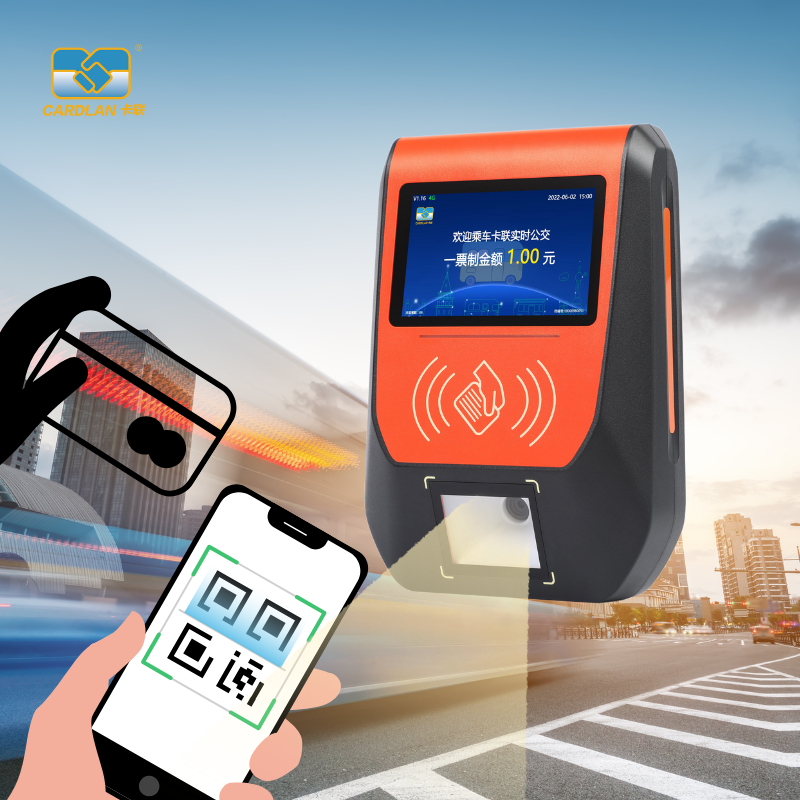 Compatibility Expansion and Multi-Scenario Reusability of In-Vehicle Terminal Devices
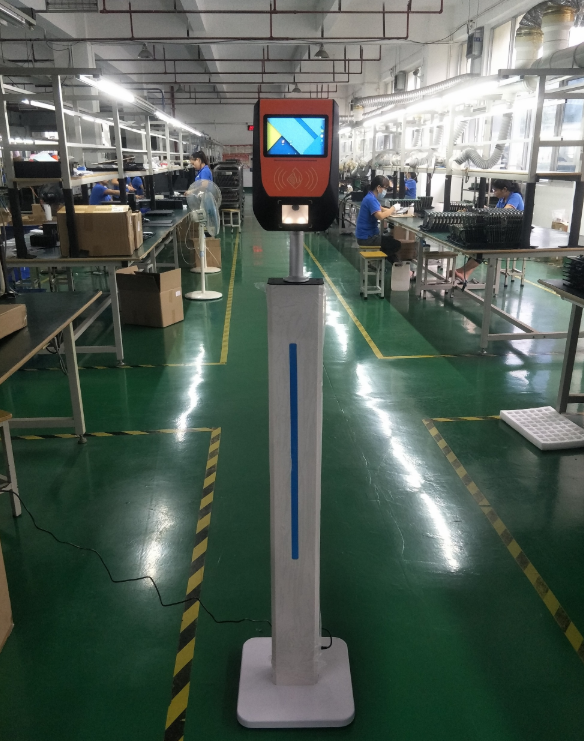 Bus card reader can work with turnstiles?
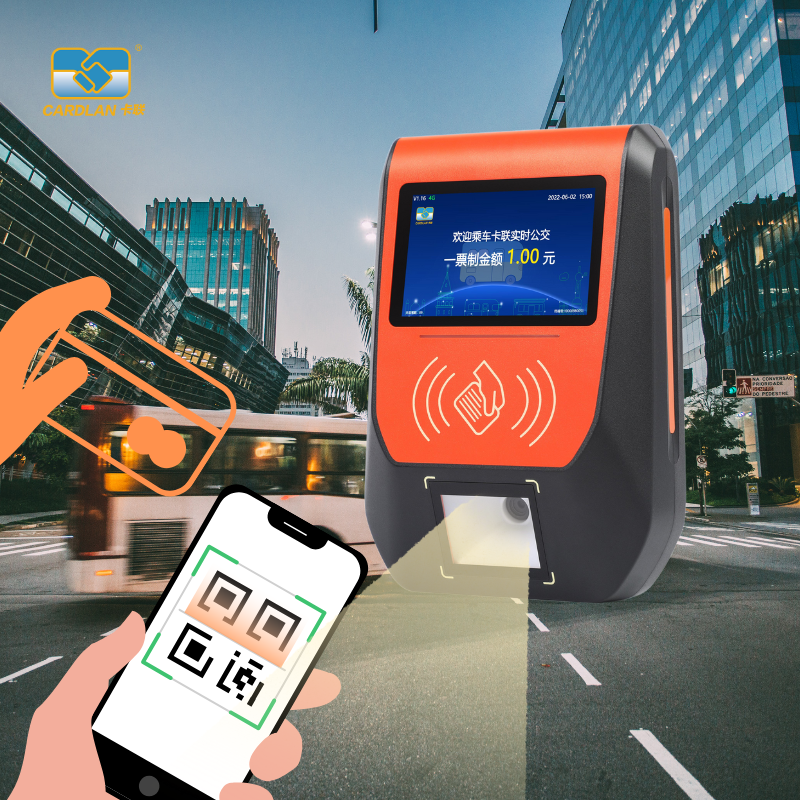 How to develop the bus card reader APP?