1. Clarify Functional Requirements
Before development, the core functionality of the APP or terminal program must be determined
Supports bus card recognition (e.g., IC cards, NFC)
Differentiate card types (ordinary cards, student cards, senior citizen cards, etc.)
Implement the deduction logic (e.g., student card costs 1 yuan, senior citizen card is free)
Display the balance and support recharge operations
Record transaction logs and support offline transaction storage
Data synchronization to the backend server (optional)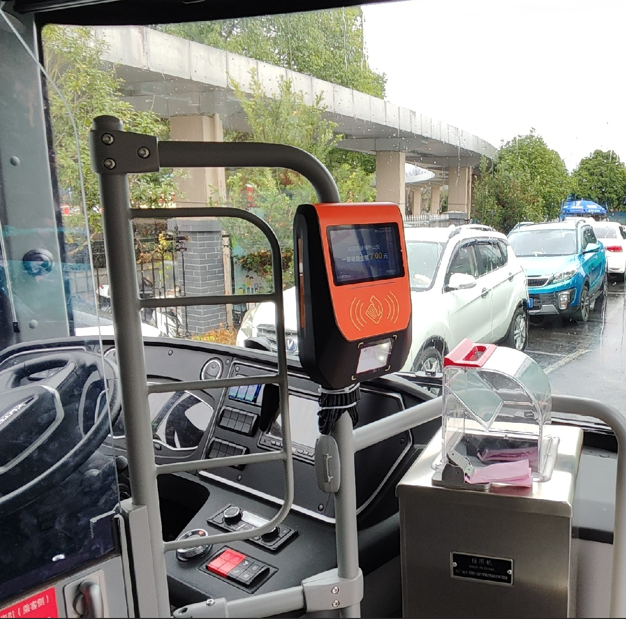
2. Select Development Tools and Platforms
Select the appropriate development environment based on the application scenario
Embedded Development: Programming low-level drivers using IDEs such as Keil and IAR, suitable for card reader firmware
NFC/RFID: Integrates a 13.56MHz RFID module, communicating with the main controller via SPI/I2C interfaces
Communication Protocol: Utilizes asymmetric encryption to ensure card authenticity verification and prevent counterfeiting
Database Support: Use SQLite to store local transaction records, ensuring operation even without an internet connection
Simulation Test: Testing code compatibility and response speed using a virtual POS machine platform.
3. Construct Core Functional Modules
Divide the system into multiple manageable functional modules:
Radio Frequency Identification Layer
Responsible for reading card information, decoding 13.56MHz signals, and determining card types (e.g., differentiating red/green cards via color sensor simulation)
Secure Encryption Layer
Verify the validity of the card to prevent illegal copying or tampering, commonly used in real-name public transport card systems
Transaction Processing Layer
Execute the deduction logic and calculate the balance in real time. For example, a student card deducts 1 yuan per transaction, and an error is prompted when the balance is insufficient
Data Synchronization Layer
The transaction logs are uploaded to the cloud server via a 4G module, supporting subsequent reconciliation and data analysis
User interface
Display the words "Bus", balance, and successful deduction prompts, etc. These can be triggered via button-activated card swiping or recharging operations
4. Implementation Process Example (Taking a Simplified Teaching Project as an Example)
Taking the "Cheng Xiaoben" robot simulating a bus card reader as an example:
Initialize the student card balance (e.g., set to 2 yuan) and display the word "Bus" upon startup
Press the function key A: Detect card color
If it is red (student card), deduct 1 yuan from the balance
If it is green (senior citizen card), display the word "Senior" and no charges will be deducted
Press the function key B: Enter the recharge mode to add balance to the student card
Display the current balance in real time and show an error message when the balance is insufficient
5. Deployment and Optimization
Response Time Optimization: Ensure the response time from card swiping to action is kept within 200 milliseconds, meeting the high-frequency usage requirements of public transportation
Offline Mode Support: Enables transactions to be completed even when the network is disconnected, with automatic record uploads upon restoration
UI/UX Optimization: Provide clear visual feedback to enhance user experience

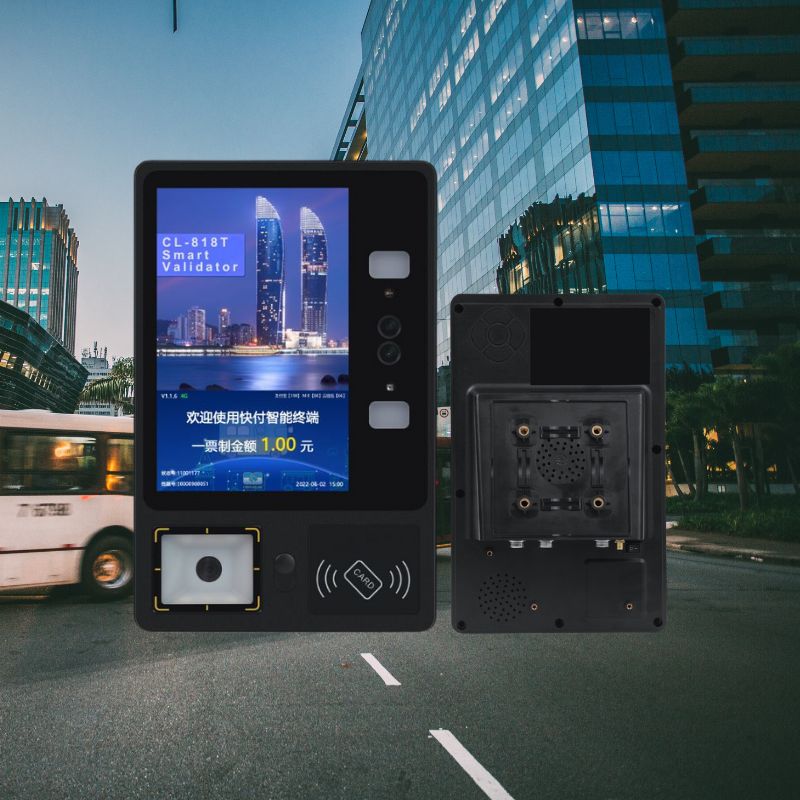 Create smart public transportation to make travel more convenient
 2026 New start of Cardlan bus validators!!!
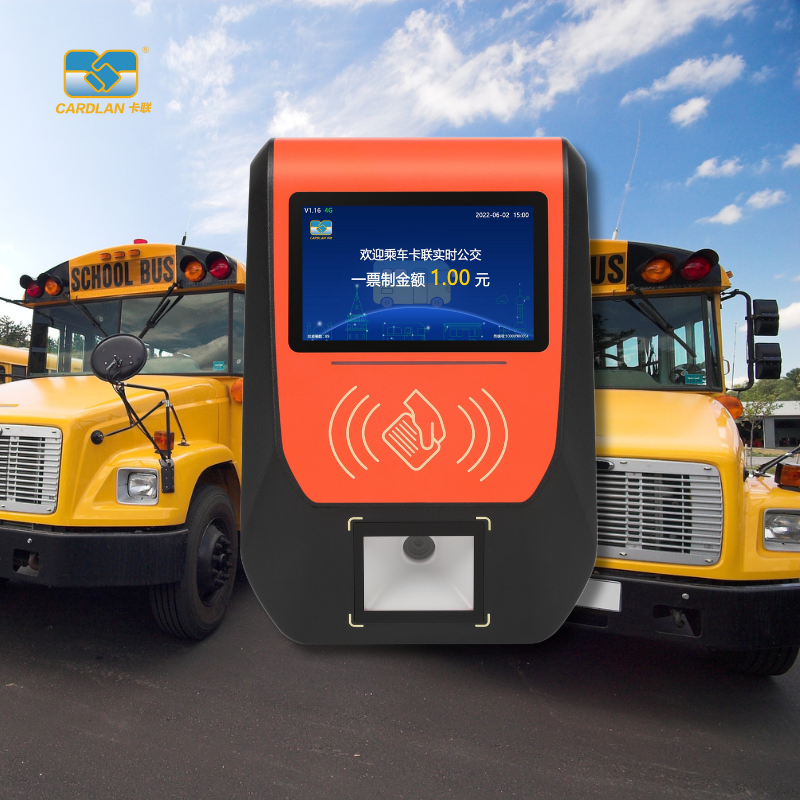 Cardlan Bus segment fare collection system
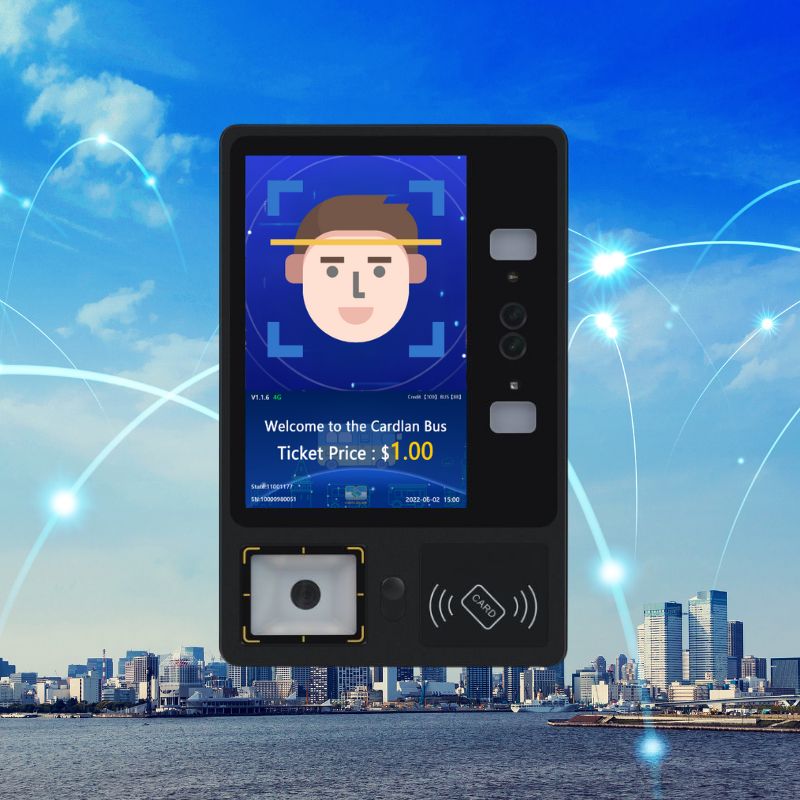 Cardlan bus card reader system