Market Positioning and Core Competitiveness
Cardlan positions itself as a comprehensive provider of smart public transportation digital solutions, with its core strengths lying in:
Full-value scenario coverage: The system covers the entire process of public transportation, from boarding to payment and backend management, providing integrated services.
Technology-Driven: Utilizing a distributed microservices framework and high-performance gateway to support high-concurrency access, ensuring system stability and efficiency.
Data and Intelligent Scheduling: Optimizing bus routes and vehicle dispatch through big data analysis and artificial intelligence technology to enhance operational efficiency.
Market Applications and Customer Base
The cardlan bus fare system has been successfully implemented in nearly 600 bus companies, including urban transit systems such as Lijiang Bus, Yuxi Bus, Chuxiong Bus, and Yulin Bus, with extensive market coverage and a solid customer base.
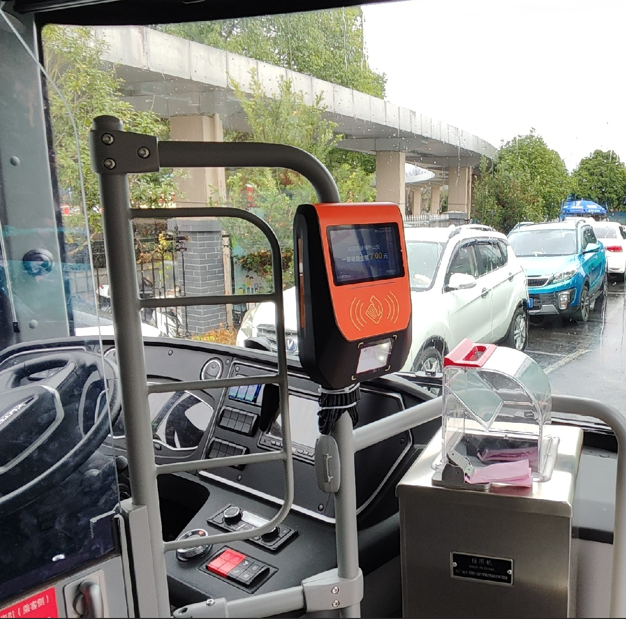
Market prospects
With the advancement of smart city construction and the growing demand for intelligent public transportation, the card-linked bus charging system, leveraging its mature technology and solutions, is poised to expand applications in scenarios such as smart travel, smart campuses, and smart parking, offering vast market prospects.
The future direction of development, I believe, will follow these trends:
Technology Integration and Diversification: Non-contact IC cards, mobile payments, NFC, QR codes, and other technologies will further converge, enhancing payment convenience.
Data-Driven and Intelligent Scheduling: Optimizing bus routes and vehicle dispatch through big data and AI to enhance operational efficiency.
Ecologization and Sustainable Development: The system will place greater emphasis on environmental protection and sustainability, integrating deeply with other areas of smart cities (such as parking and campuses).
The market continues to grow: The projected market size is expected to maintain rapid growth, expanding from 9.86 billion yuan in 2020 to an estimated 17.34 billion yuan in 2025, with an average annual compound growth rate of 11.9%.
Overall, the market prospects for card associations are very promising, especially under the impetus of smart city construction.

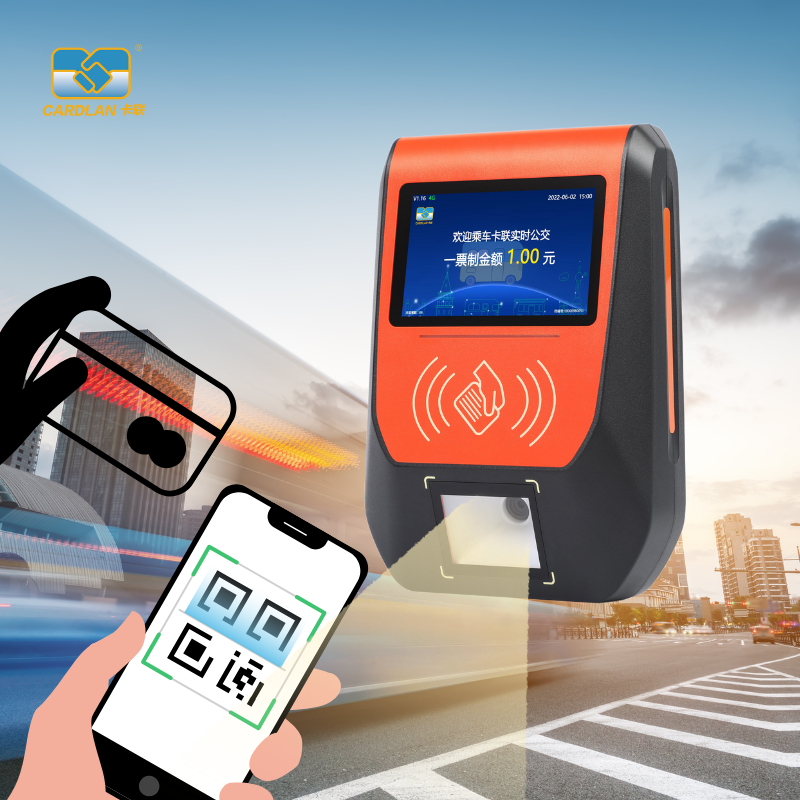 Compatibility Expansion and Multi-Scenario Reusability of In-Vehicle Terminal Devices
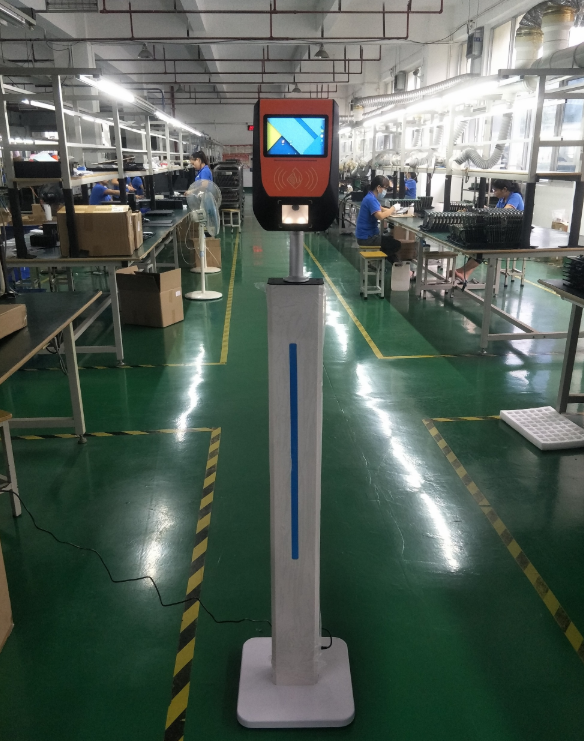 Bus card reader can work with turnstiles?
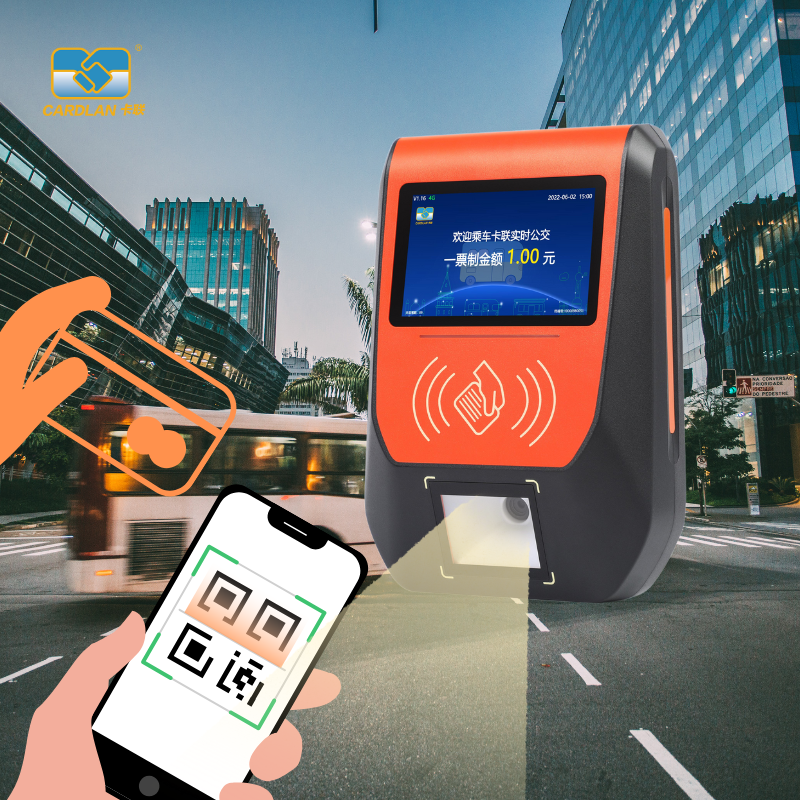 How to develop the bus card reader APP?
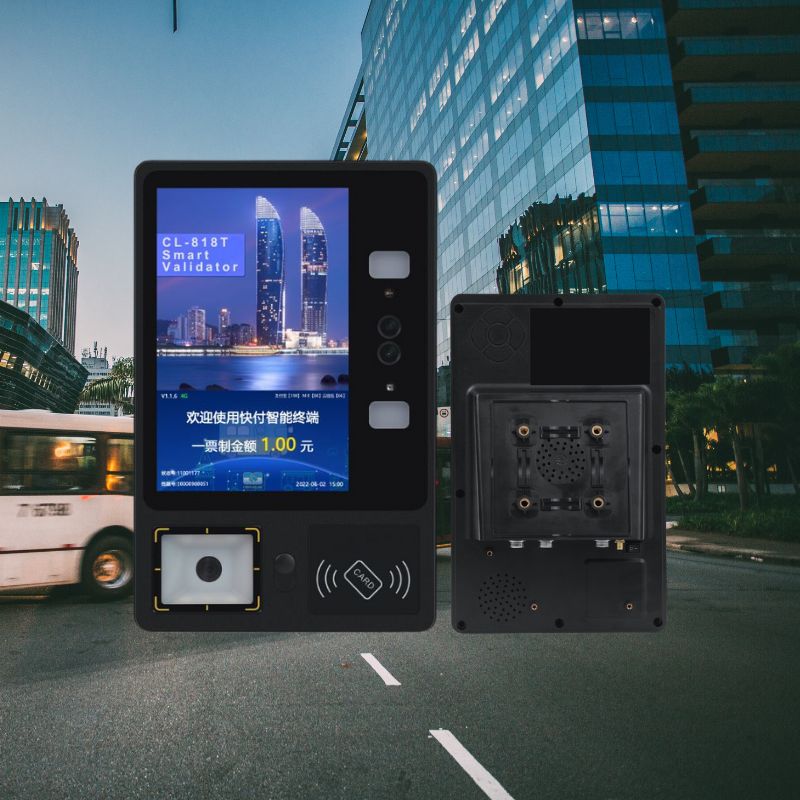 Create smart public transportation to make travel more convenient