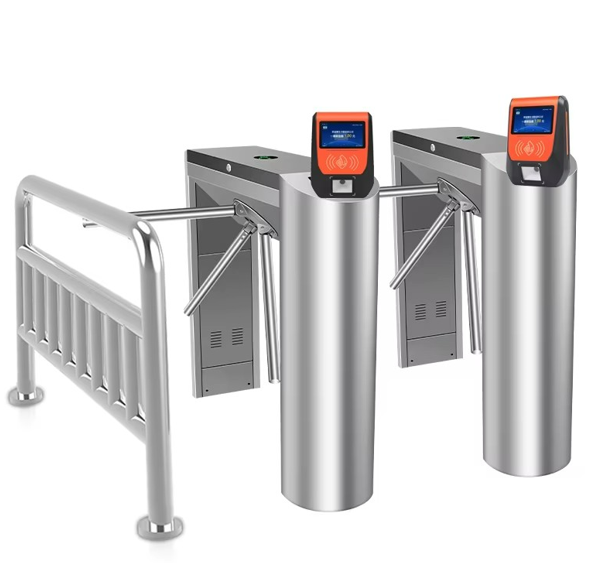
In public transportation systems, the card reader is responsible for reading passengers' payment information (such as transit cards or QR codes), while the turnstile controls access based on the verification result from the reader, jointly completing the ticket-checking and entry process.
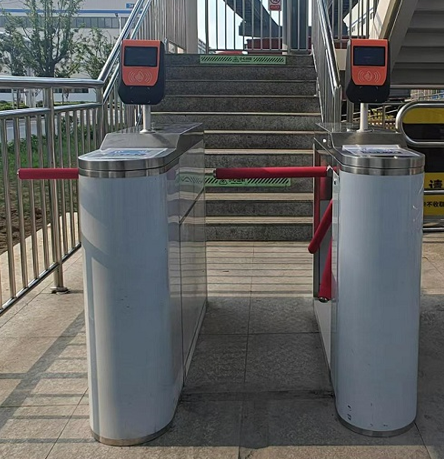
Specifically:
Subway and BRT scenarios: Card readers or QR code scanners are usually integrated within the turnstile or directly connected to it. Passengers tap their transit card on the sensor or present a QR code, and the turnstile automatically opens upon successful recognition. For example, in Beijing, the "tap to pay" feature supports NFC-enabled smartphones, allowing users to tap their phone—even when the screen is off—without opening any app to trigger gate release.
Conventional buses: Most buses use standalone onboard card readers without physical turnstiles. However, with technological upgrades, some cities are piloting "dual-function" devices that integrate card reading and QR code scanning into a single terminal to improve payment efficiency. Although these lack a physical gate, their logical function resembles a simplified turnstile—payment completion is treated as permission to board.
Trend toward intelligent integration: Modern turnstiles now support multiple identification methods, including card swiping, QR codes, and even facial recognition, enabling seamless integration with various bus payment systems. For instance, Nanjing’s Bus Route 502 has installed card readers at both front and rear doors, enabling boarding and alighting fare management similar to turnstile functionality.
In addition, cities such as Jiangsu and Chengdu have enabled interoperability of local transit cards across more than 300 cities nationwide. As long as a turnstile displays the "Transport Union" logo, locally issued transit cards can be used universally.

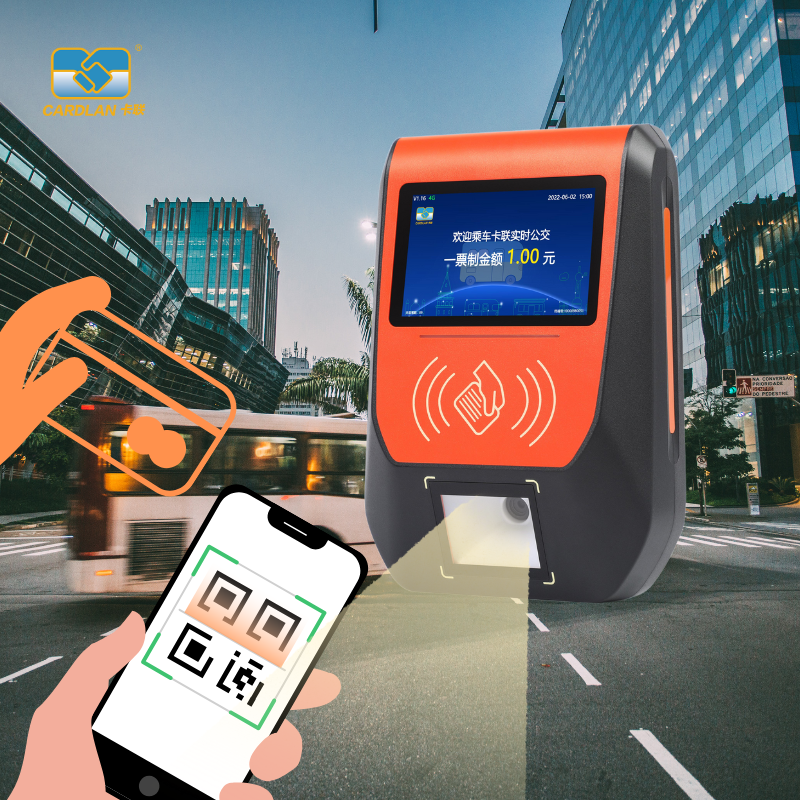 How to develop the bus card reader APP?
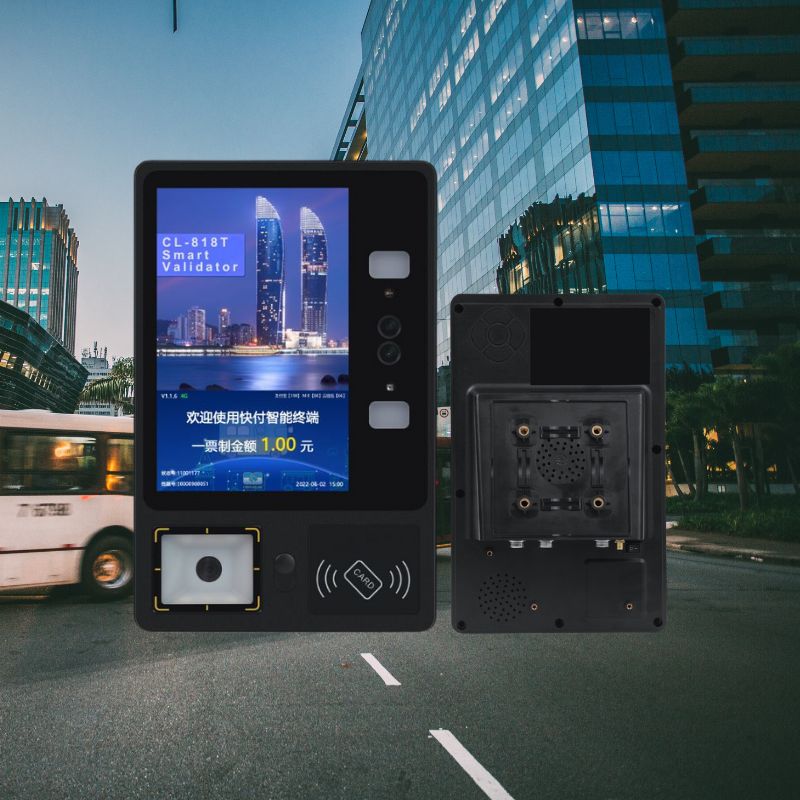 Create smart public transportation to make travel more convenient
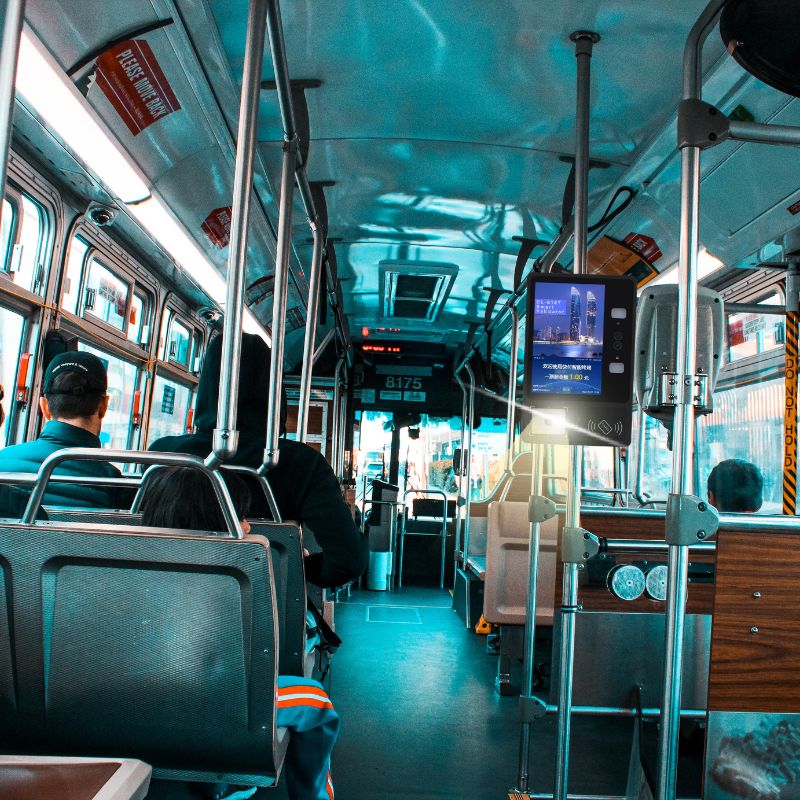 2026 New start of Cardlan bus validators!!!
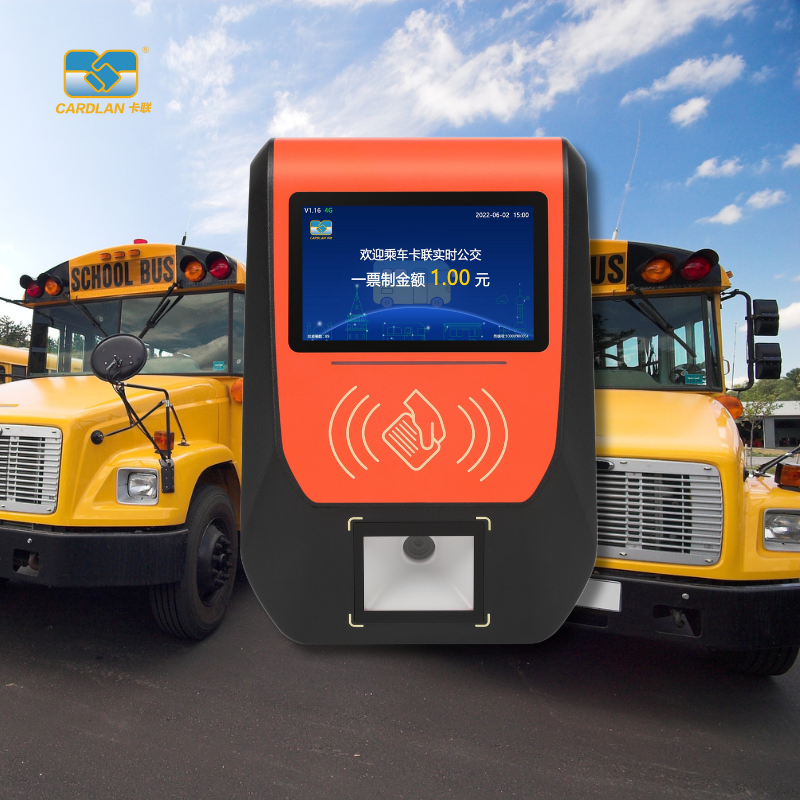 Cardlan Bus segment fare collection system