1. Hardware-Level Compatibility Expansion Strategies
Modular Interface Design
Industrial-grade interfaces such as M12 aviation connectors, RS232/RS485, CAN bus, USB, and Ethernet support external devices like cameras, sensors, printers, and radars. For example, the Emdoor V80J in-vehicle tablet reserves multiple optional module interfaces, enabling flexible integration with tire pressure monitoring, fuel consumption sensors, and voice intercom systems, meeting customization needs across industries.
Wide Voltage Input and Power Adaptation
Supports 6–36V or 9–90V wide voltage input, compatible with gasoline, electric, and engineering vehicles, preventing system crashes due to voltage fluctuations. Some terminals also feature reverse polarity protection and overvoltage protection, enhancing stability in complex electrical environments.
Multi-Mode Positioning and Integrated Communication
Integrates GPS/Beidou/GLONASS satellite systems with 4G full-network, dual-band Wi-Fi, and Bluetooth 5.2, ensuring accurate positioning and stable connectivity in weak-signal areas such as urban canyons, underground garages, and remote mountainous regions.
Environmental Resilience and Ruggedization
IP65 or higher protection rating, operating temperature range from -20°C to 75°C, shockproof, dustproof, and waterproof, suitable for harsh working conditions like sanitation vehicles, mining trucks, and fire engines.
2. Software-Level Compatibility Enhancement Mechanisms
Hardware Abstraction Layer (HAL) and Middleware Architecture
A hardware abstraction layer shields underlying differences and provides unified APIs for upper-layer applications, reducing dependency on specific hardware. As proposed in Rongzhi Electronics' patent on a "multi-protocol in-vehicle intelligent terminal software architecture," the protocol adaptation layer module enables rapid integration with different automakers’ communication standards, significantly improving system compatibility.
Operating System and Platform Compatibility
Supports mainstream operating systems such as Android 12 (GMS certified) and Windows 10, facilitating integration with enterprise ERP, CRM, and dispatch platforms. Native OTA update support ensures long-term maintainability.
Virtualization and Containerized Deployment
Using container technologies like Docker, different application programs can run in isolation on the same terminal, enabling "one device, multiple uses." For example, the device can be used for public transit dispatch during the day and security patrol at night, improving utilization efficiency.
AI Middleware and Event-Driven Architecture
An event-driven middleware layer enables real-time responses for facial recognition, behavior analysis, and voice interaction, optimizing user experience.
3. Multi-Scenario Reuse Implementation Path
| Scenario |
Functionality |
Shared Capabilities |
| Public Transit |
Arrival prediction, passenger counting, emergency alerts |
Positioning, 4G communication, CAN bus for speed data |
| Scenic Area Shuttles |
Facial recognition ticketing, geofencing, voice announcements |
Camera integration, NFC card reading, speaker control |
| Logistics Transport |
Fuel monitoring, e-waybills, remote dispatch |
External sensors, printer connectivity, cloud API integration |
| Emergency Response |
ECG data collection, satellite communication relay |
USB/serial connection to medical devices, dual-SIM 4G backup |
| Corporate Shuttles |
Employee attendance, seat reservation, health code verification |
Identity recognition, local Wi-Fi networking, mini-program integration |
By adopting a unified hardware platform with modular functionality, rapid switching between different scenarios is possible, reducing redundant investments.
4. Testing and Verification for Compatibility Assurance
To ensure stability in multi-scenario deployments, professional compatibility testing is recommended:
Cloud-Based Real Device Testing Platforms: Simulate interactions across thousands of device configurations, including various in-vehicle systems and mobile connectivity scenarios;
Automated Connectivity Testing: Validate Bluetooth pairing, Wi-Fi switching, and command delivery across the entire communication chain;
Live User Monitoring: Use probes to collect crash logs and performance data from real-world operations, enabling continuous optimization.

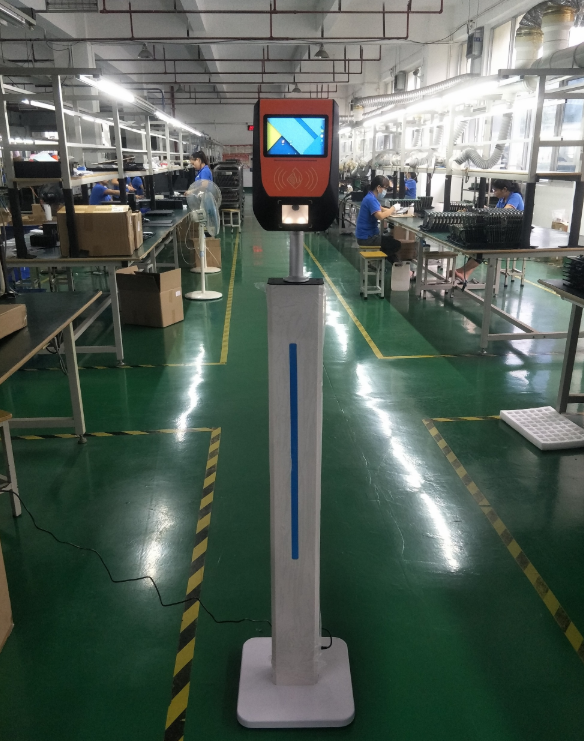 Bus card reader can work with turnstiles?
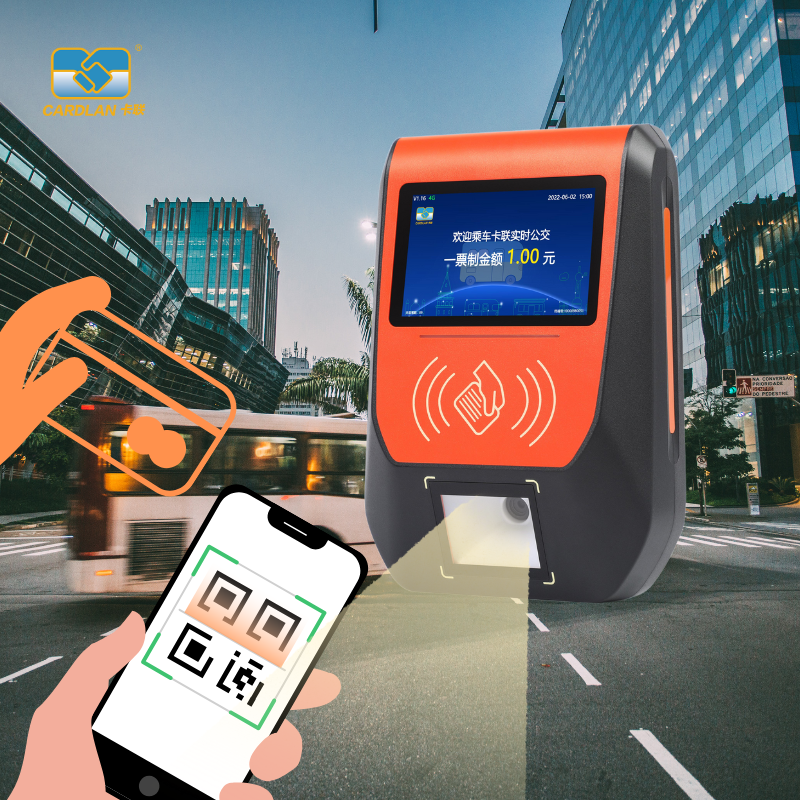 How to develop the bus card reader APP?
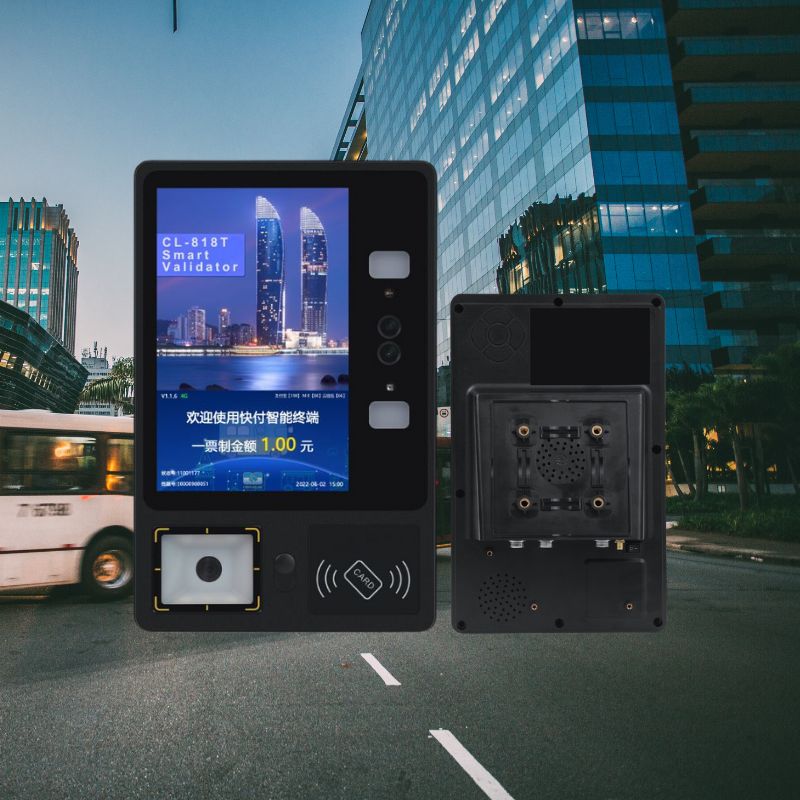 Create smart public transportation to make travel more convenient
 2026 New start of Cardlan bus validators!!!