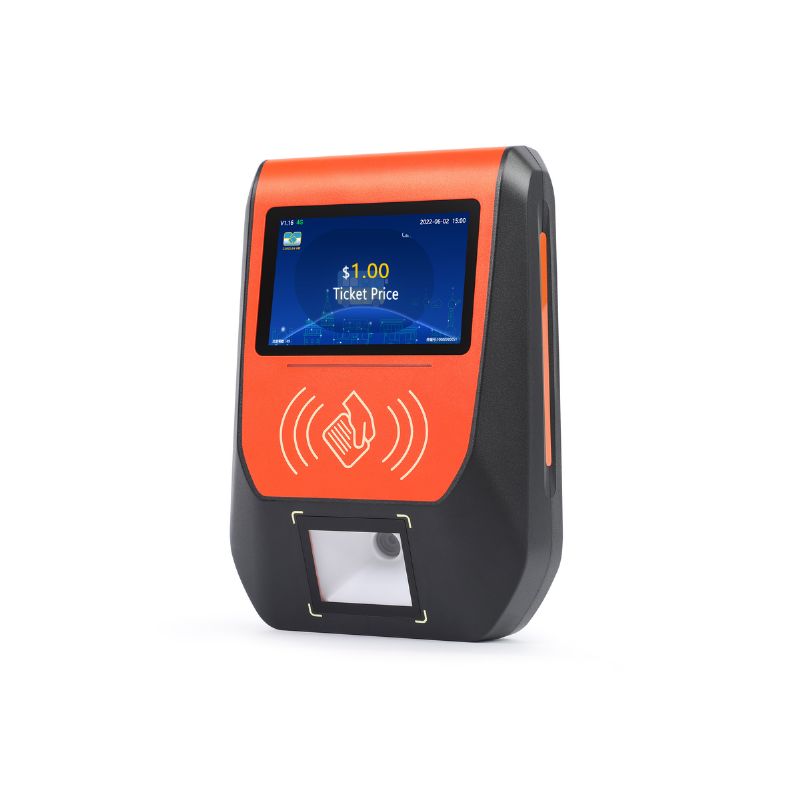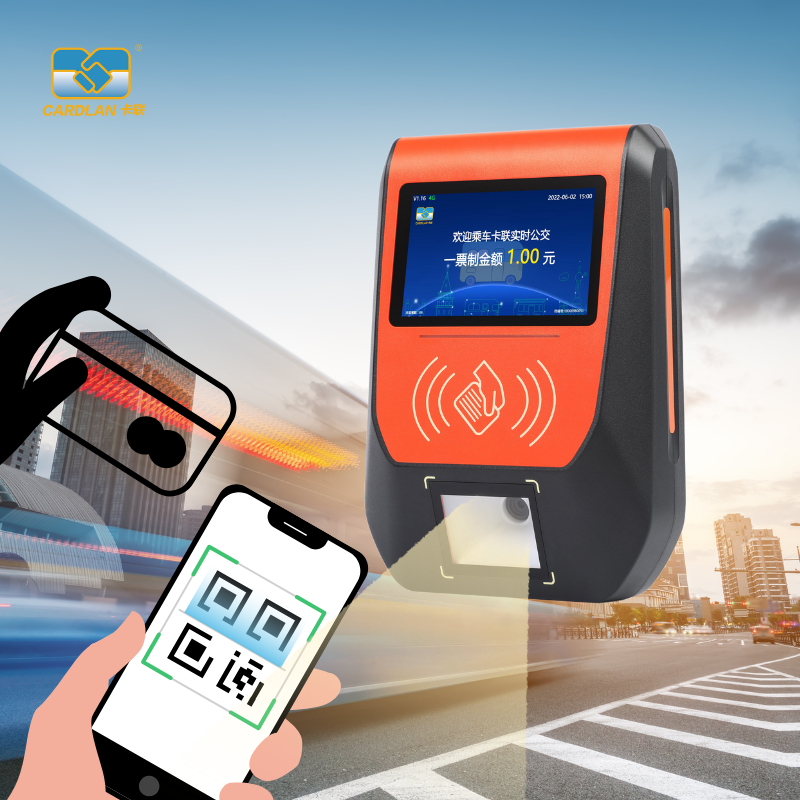
Development of Bus Fare Collection Machine Hardware and SDK

Views : 2567
Author : Kathy
Update time : 2025-10-31 12:03:00

Time Estimation

The development process typically takes between 6 months to 1 year, depending on the project's complexity.
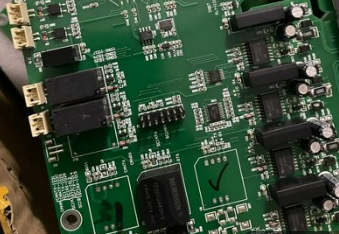
Hardware Development Timeline

  • Requirements Analysis & Design‌: 1-2 months
  • PCB Design & Prototyping‌: 2-3 months
  • Hardware Testing & Optimization‌: 1-2 months

SDK Development Timeline

  • Architecture Design & Interface Development‌: 1-2 months
  • Function Implementation & Testing‌: 2-3 months
  • Integration Testing & Optimization‌: 1-2 months
  •  

Cost Estimation

Total costs may range between 500,000 to 2,000,000 RMB, depending on the project scale.

Hardware Development Costs

  • R&D Costs‌: 200,000-800,000 RMB
  • Prototyping & Testing‌: 100,000-300,000 RMB
  • Certification Fees‌: 50,000-200,000 RMB

SDK Development Costs

  • Software Development‌: 150,000-500,000 RMB
  • Testing & Optimization‌: 50,000-200,000 RMB

Key Influencing Factors

  1. Functional Complexity‌: Supporting multiple payment methods and real-time data transmission increases development difficulty
  2. Hardware Specifications‌: High-performance processors and multiple communication modules raise costs
  3. Team Experience‌: Experienced teams can complete development more efficiently
  4. Certification Requirements‌: Security certifications in different regions affect both time and cost

Recommendations

Before project initiation, it's recommended to conduct detailed requirements analysis and consult professional development teams for more accurate assessments.

Any more development requirements , please feel free to contact Cardlan.
Related News
Read More >>
Cardlan Bus segment fare collection system Cardlan Bus segment fare collection system
Jan .30.2026
Cardlan Zonal fare collection support tap on and tap out to realize station fare collection.
Cardlan bus card reader system Cardlan bus card reader system
Jan .23.2026
Cardlan public transport charging system has performed exceptionally well in the market, particularly in the smart public transport sector. It has established a comprehensive ecosystem spanning hardware to software, serving numerous bus companies and users, and enjoys high market recognition. The system's market is primarily concentrated in mainland China, where a diversified technological landscape has emerged, dominated by contactless IC cards, mobile payments, NFC, and QR codes.
‌Cardlan Company: Strategic Deployment of Public Transportation Payment Products and Integrated Peripheral Devices (GPS Tracking, CCTV, Barriers) ‌Cardlan Company: Strategic Deployment of Public Transportation Payment Products and Integrated Peripheral Devices (GPS Tracking, CCTV, Barriers)
Jan .18.2026
Since 2026, Cardlan has strategically expanded its public transportation payment ecosystem by integrating peripheral devices such as GPS vehicle tracking, CCTV cameras, and intelligent barriers. This platform-centric approach leverages existing SaaS infrastructure to create a unified smart transit system, enhancing operational efficiency and security without direct hardware manufacturing.
Cardlan 2026: Synergistic Innovation of Software Bus Fare System and Hardware OEM Production Cardlan 2026: Synergistic Innovation of Software Bus Fare System and Hardware OEM Production
Jan .05.2026
In the field of intelligent transportation in 2026, the deep integration of software and hardware is redefining the future of bus fare systems. Cardlan Technology, as an industry pioneer, has been committed to the research and development of bus-mounted fare systems, urban "one-card" systems, and intelligent IoT information systems since its establishment in 2006. This article explores the innovative features of Cardlan's 2026 software bus fare system and its synergistic development model with hardware OEM (Original Equipment Manufacturer) production, demonstrating its core role in enhancing urban transportation efficiency.