The following is a detailed summary of the main methods and considerations for security assessment of smart card swiping devices:
1、 Encryption Technology Evaluation
Encryption algorithm strength: Evaluate whether smart card swiping devices have adopted advanced encryption technologies such as AES (Advanced Encryption Standard). Powerful encryption algorithms can protect the security of payment data during transmission and storage.
Key management: Check the security of the process of generating, storing, updating, and destroying keys to ensure that they are not obtained by unauthorized personnel.
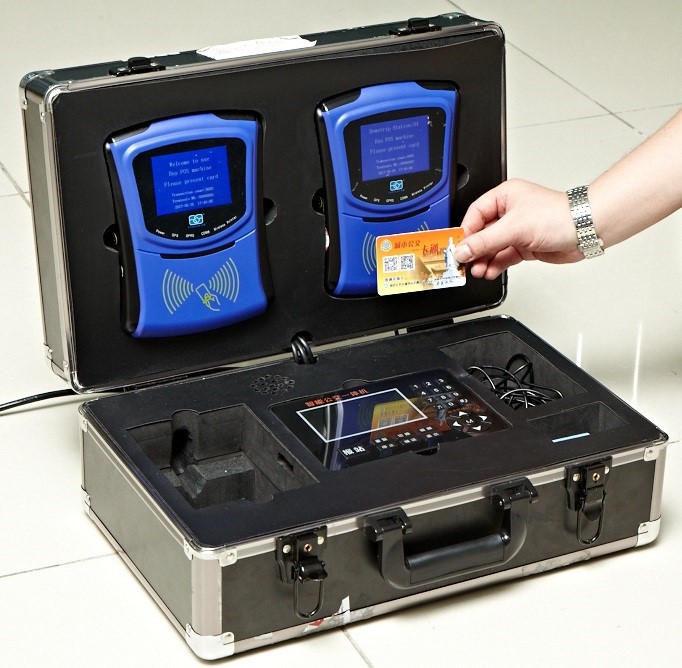
2、 Security certification assessment
Security certification standards: Understand whether smart card swiping devices have passed relevant security certifications, such as PCI DSS (Payment Card Industry Data Security Standard). These certification standards ensure that equipment meets industry safety requirements.
Authority of certification body: Evaluate whether the organization conducting security certification is authoritative and reliable, and whether its certification process strictly follows relevant standards and specifications.
3、 Physical Security Assessment
Equipment Robustness: Check whether the shell of the smart card swiping device is sturdy and durable, and whether it can resist malicious damage and physical attacks.
Anti disassembly design: Evaluate whether the device has anti disassembly design to prevent attackers from obtaining sensitive information by disassembling the device.
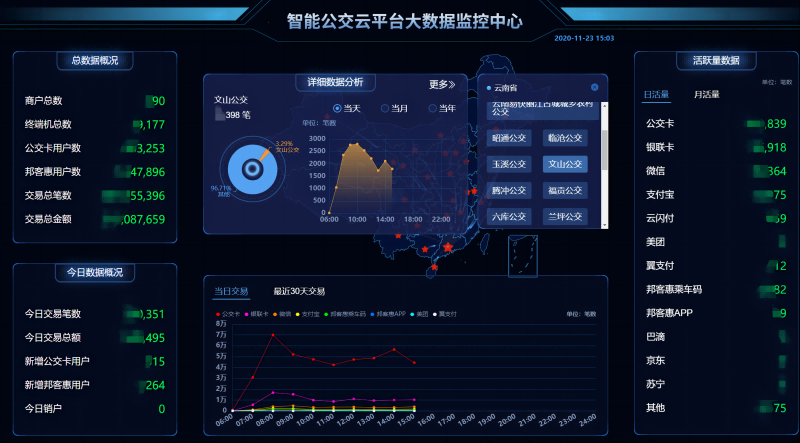
4、 Software Security Assessment
System stability: Evaluate whether the software system of smart card swiping devices is stable and reliable, and whether it can effectively prevent malicious software attacks and intrusions.
Data protection: Check whether the device has security features such as data encryption, access control, and audit logs to ensure the security of payment data and other sensitive information.
5、 Penetration testing
Intrusion attack testing: Simulate intrusion attacks on smart card swiping device chips, such as opening chip packaging, peeling off chip structures layer by layer, etc., to evaluate the device's defense capability against physical attacks.
Non invasive attack testing: Using bypass analysis techniques such as energy consumption analysis, electromagnetic analysis, and time analysis, non-invasive attack testing is conducted on devices to evaluate their defense capabilities against these attack methods.
6、 Regular maintenance and evaluation updates
Software updates: Check if the supplier regularly provides software updates and security patches for smart card devices to fix known security vulnerabilities.
Maintenance service: Evaluate whether the supplier provides timely and professional maintenance services to ensure that equipment can be quickly resolved in case of problems.
7、 User evaluation and experience assessment
User reviews: Refer to relevant user reviews and discussion forums to understand other users' evaluations and feedback on this smart card swiping device. Negative reviews or reports of safety issues may indicate potential safety hazards with the equipment.
Case study: Analyze security incidents and vulnerability situations of similar devices in history to learn from experience and improve evaluation methods.
In summary, the security assessment of smart card swiping devices needs to be comprehensively considered from multiple aspects such as encryption technology, security authentication, physical security, software security, penetration testing, regular maintenance and updates, as well as user evaluation and experience. Through a comprehensive evaluation process, it can be ensured that smart card swiping devices have high security, thereby protecting the security of user information and funds.
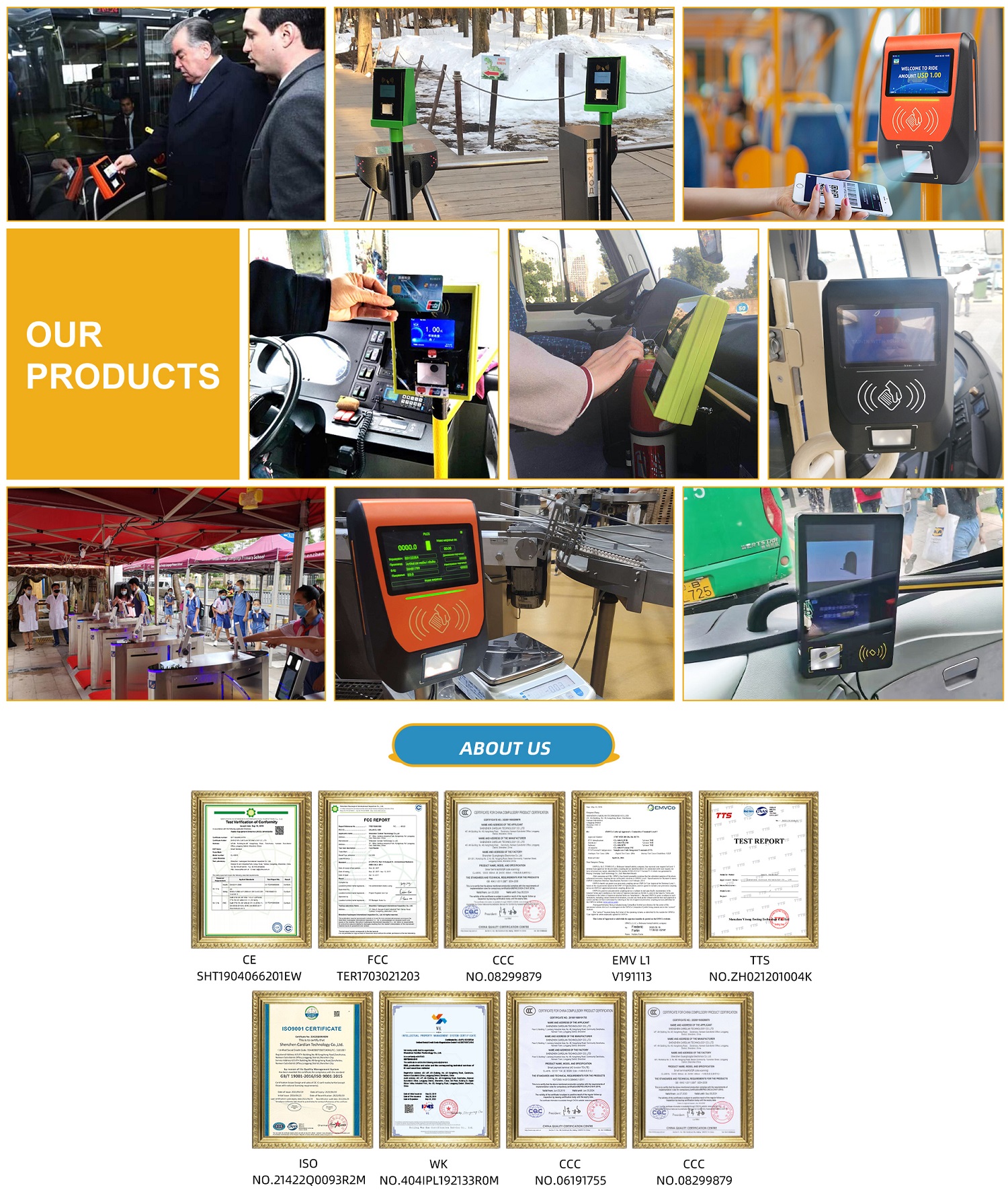
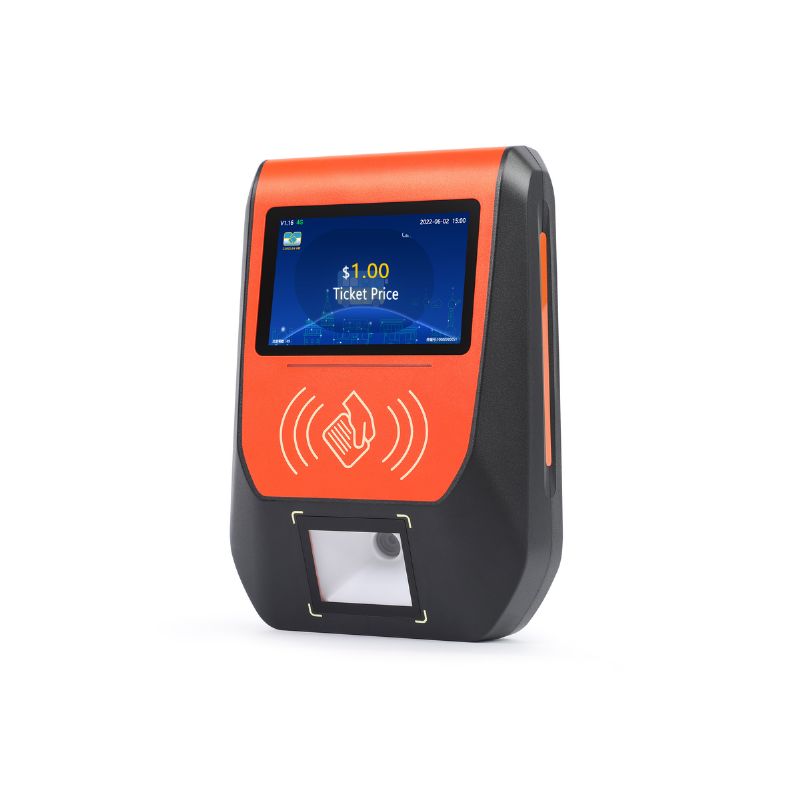
Shenzhen Cardlan Technology Co., Ltd., as a manufacturer of smart card swiping devices, has more than 20 years of experience. All devices are directly sold by the manufacturer, with quality assurance, support for multi interface communication, multiple installation methods, and accept multiple configurations. The factory has Android and Linux operating systems. Welcome to consult.

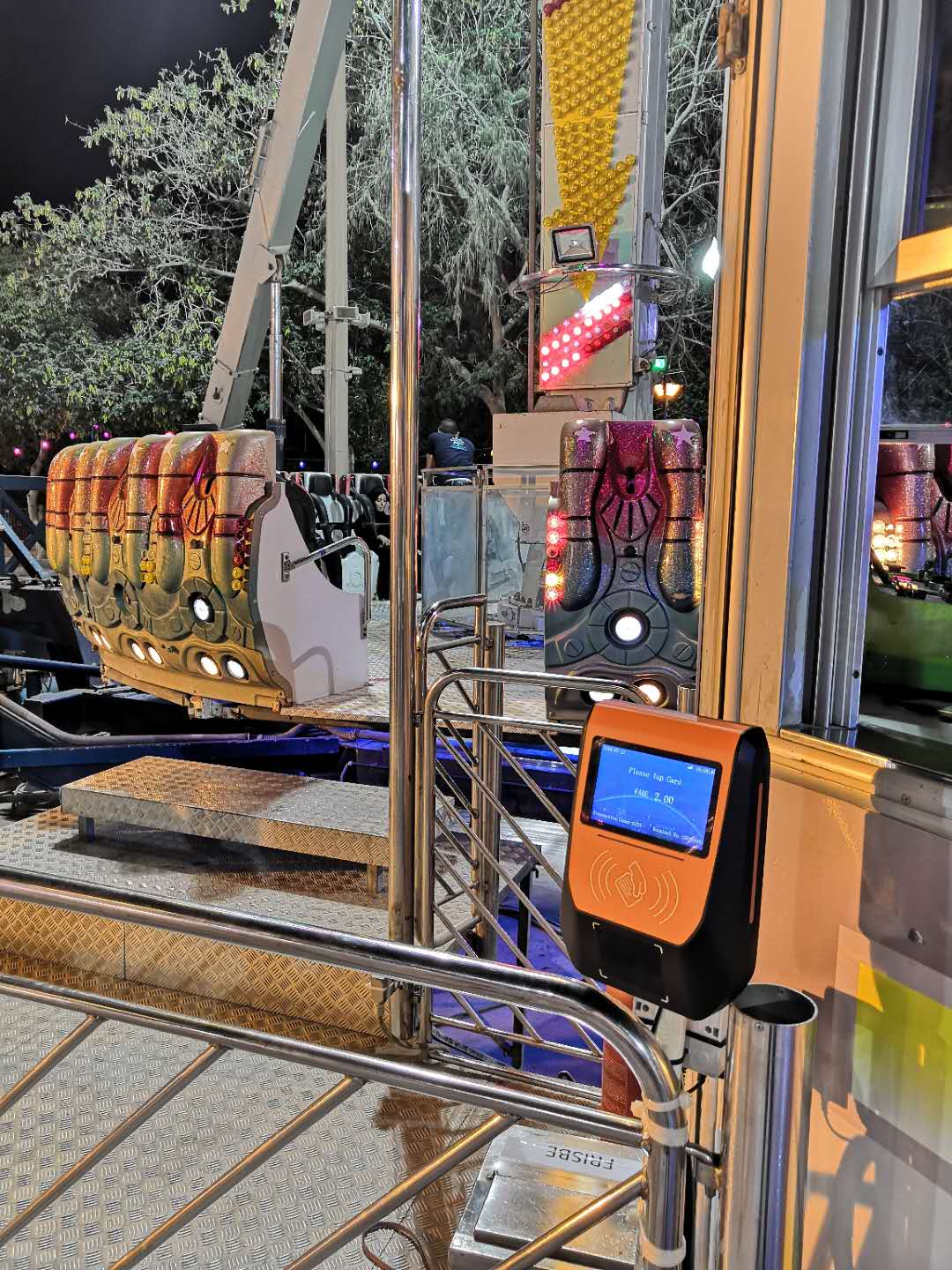 Amusement Park Card Payment System
 What is prepaid Card System?
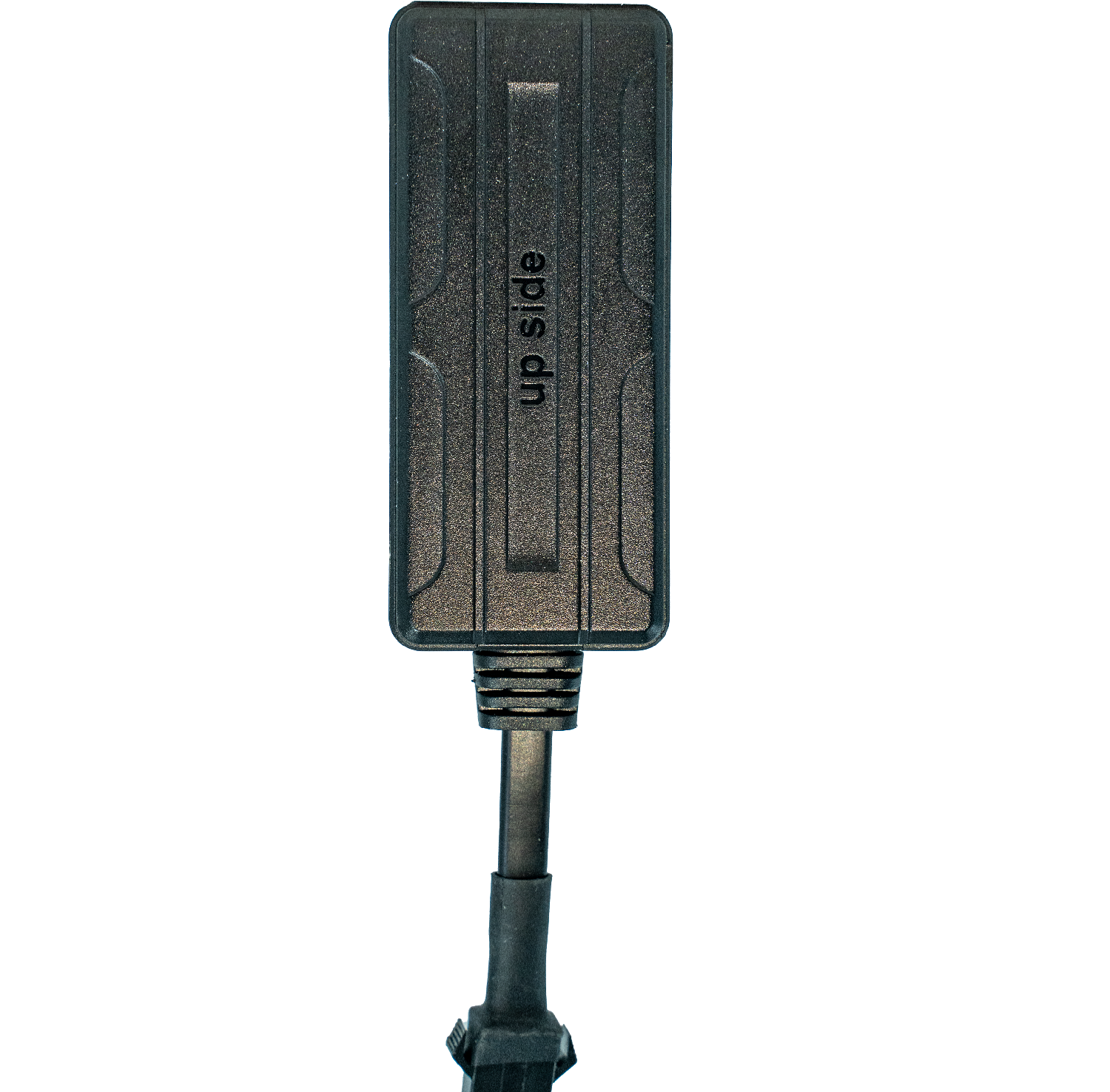 The Joint Use of Bus Card Readers and GPS Trackers
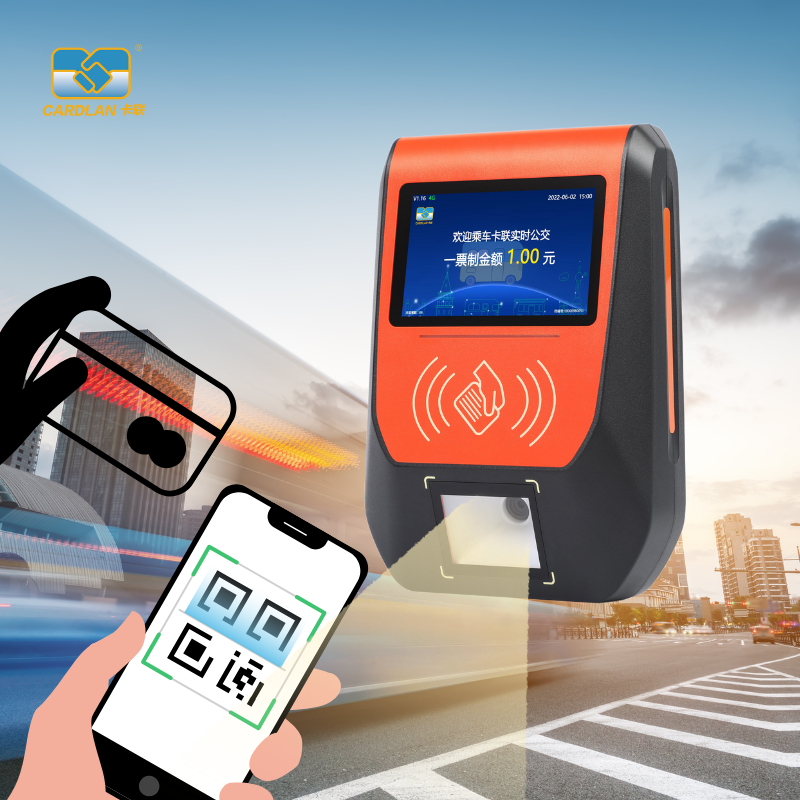 Compatibility Expansion and Multi-Scenario Reusability of In-Vehicle Terminal Devices