1. Core Verification Methods
-
Card Swiping
- Employees use company badges/IC cards for identity validation (success prompt for authorized staff; access denial for others).
- Offline operation: Temporarily stores data without network, auto-syncs when connected.
- Deduction function: Auto-charges preloaded balances for contractors/outsourced personnel.
-
Dynamic QR Codes
- Employees generate refreshable codes (per-minute update) via WeCom/DingTalk; scanners prevent screenshot spoofing.
- Limits: 2 concurrent logins per account to deter resale.
-
Facial Recognition (Optional)
- Accelerates authentication and payment via face scanning.
2. Management Capabilities
-
Granular Access Control
- Configures route permissions by department/role (e.g., executives access cross-route services); auto-revokes access upon resignation.
- Supports allowlists/blocklists to prevent unauthorized riders.
-
Data Analytics & Dispatch Optimization
- Tracks real-time boarding counts and vehicle occupancy for route adjustments.
- Integrates GPS and reservation data for intelligent shuttle scheduling.
-
Anomaly Detection
- Alerts triggered by repeated card swipes; GPS-binds devices to vehicles to deter misuse.
⚙️ 3. Technical Features
-
Flexible Deployment
- Operates online/offline with 10-year chip data retention.
- Sealed design for harsh environments.
-
System Integration
- Syncs swiping/scanning with attendance records; auto-generates Commuting Reports.
- GPS linkage: Real-time vehicle tracking and ETA queries for employees.
4. Business Value
- Cost Efficiency: Case study shows 25-35% rental cost shared by employees; 70% wait time reduction.
- Leakage Prevention: Dynamic codes + permission controls eliminate unauthorized usage.
Case Study: Logistics park deployment reduced average wait time from 18 to 5 minutes with 90% fewer complaints.
The system supports hybrid solutions (card/QR/face recognition) tailored to enterprise scales and objectives (e.g., cost-sharing models, priority lanes).

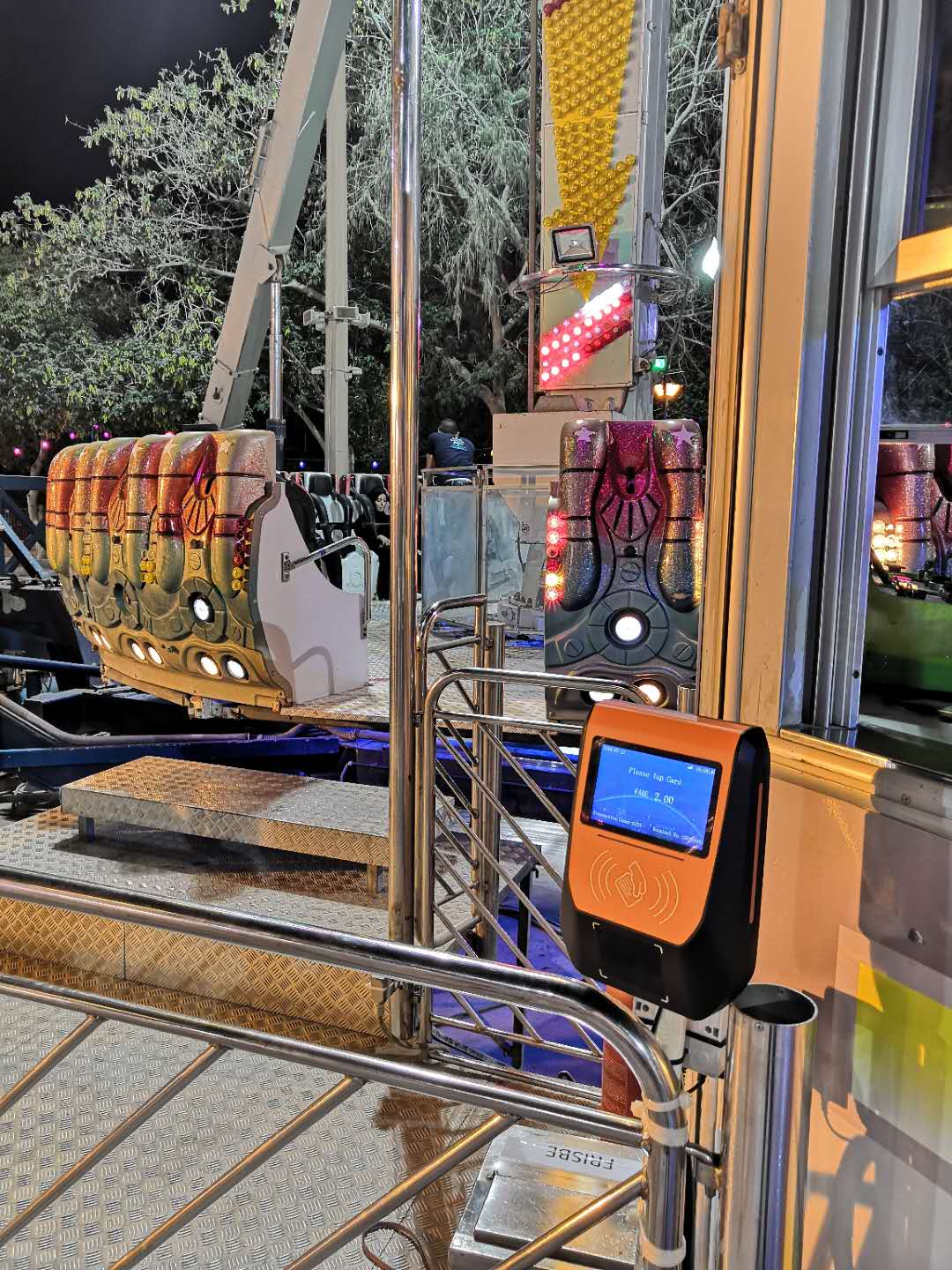 Amusement Park Card Payment System
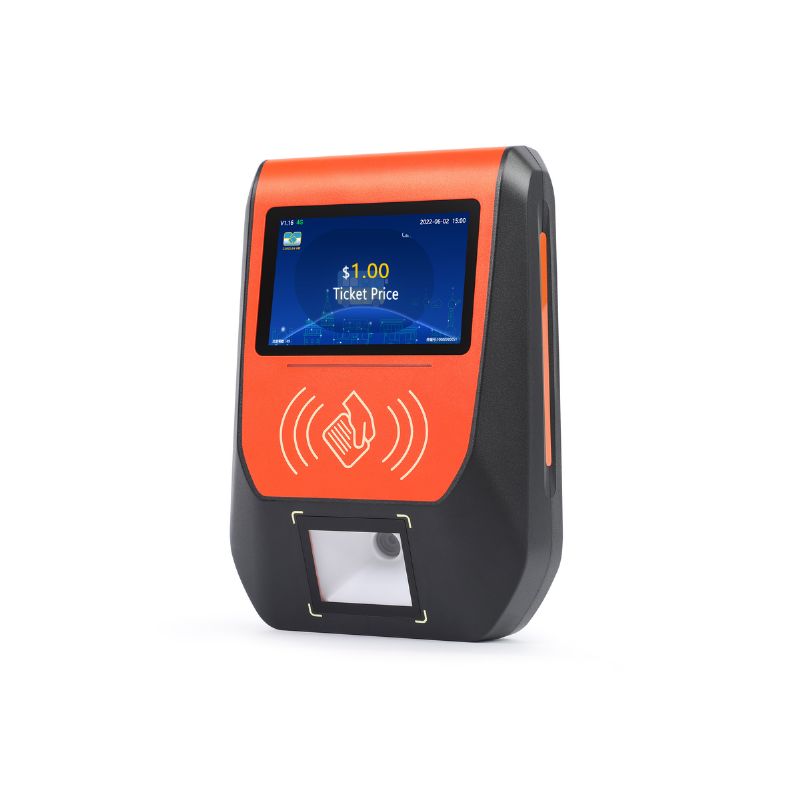 What is prepaid Card System?
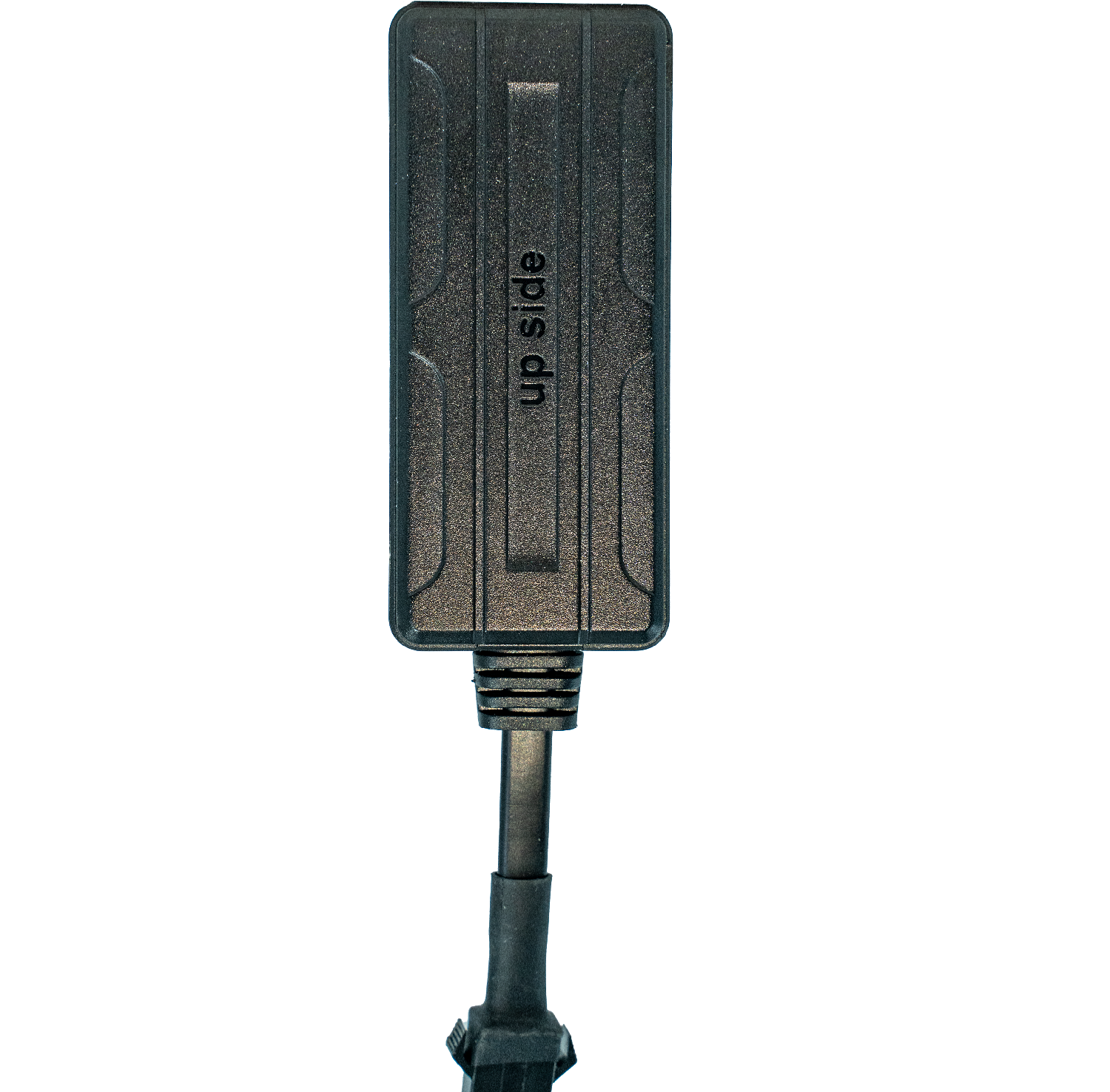 The Joint Use of Bus Card Readers and GPS Trackers
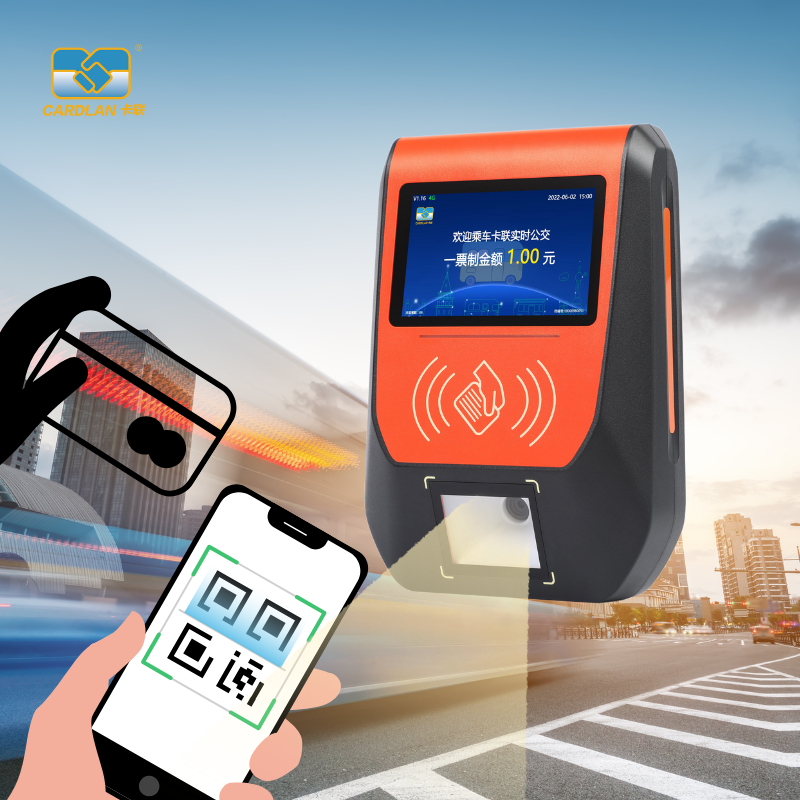 Compatibility Expansion and Multi-Scenario Reusability of In-Vehicle Terminal Devices