
The specific situations are as follows:
One card reader: Applicable to bus routes with a fixed fare. Regardless of the distance passengers travel, the fare remains the same, and they only need to tap their card once when boarding to complete the payment. This mode is simple to operate and widely used for short-distance routes within cities.
Two card readers: Used for routes with distance-based or stop-based fare calculation, which are commonly seen in suburban or cross-regional long-distance buses. Passengers must:
If passengers fail to tap their card when alighting, the system will automatically deduct the full fare for the entire route, which may result in overpayment.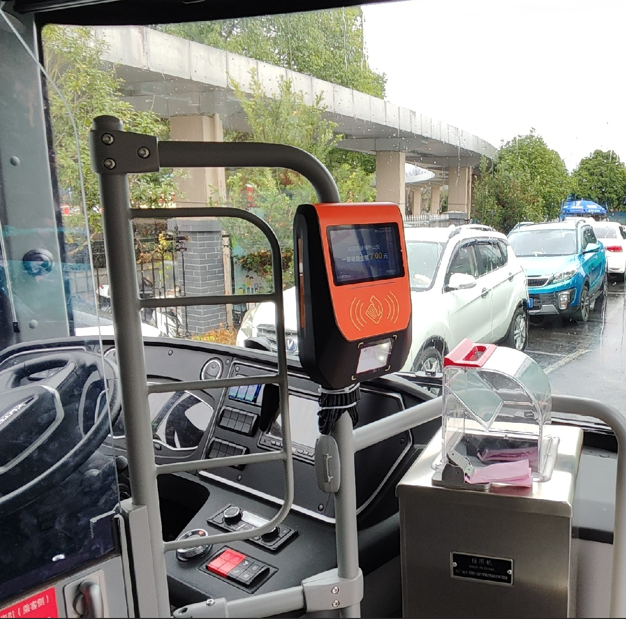
In addition, in some cities (such as Shenyang), two card readers are not used for distance-based fare calculation but are a result of technical parallelism during the payment system upgrade transition period: one supports traditional transit card payments, while the other is dedicated to mobile scan payments such as WeChat and Alipay. Although the new devices are technically capable of supporting card payments, the old devices cannot be deactivated due to different backend settlement stakeholders, leading to the situation of "two devices coexisting".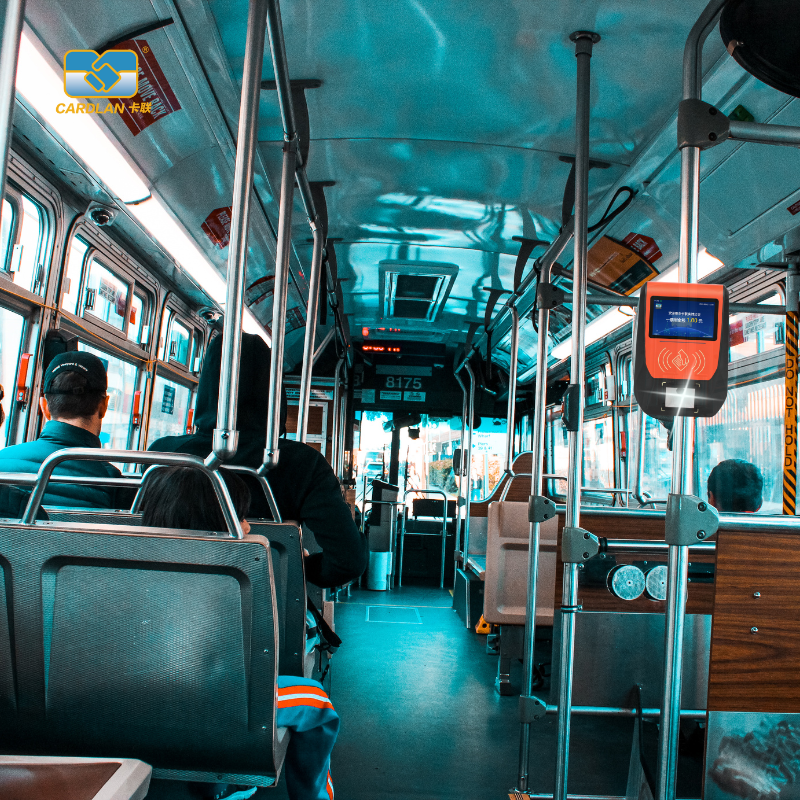
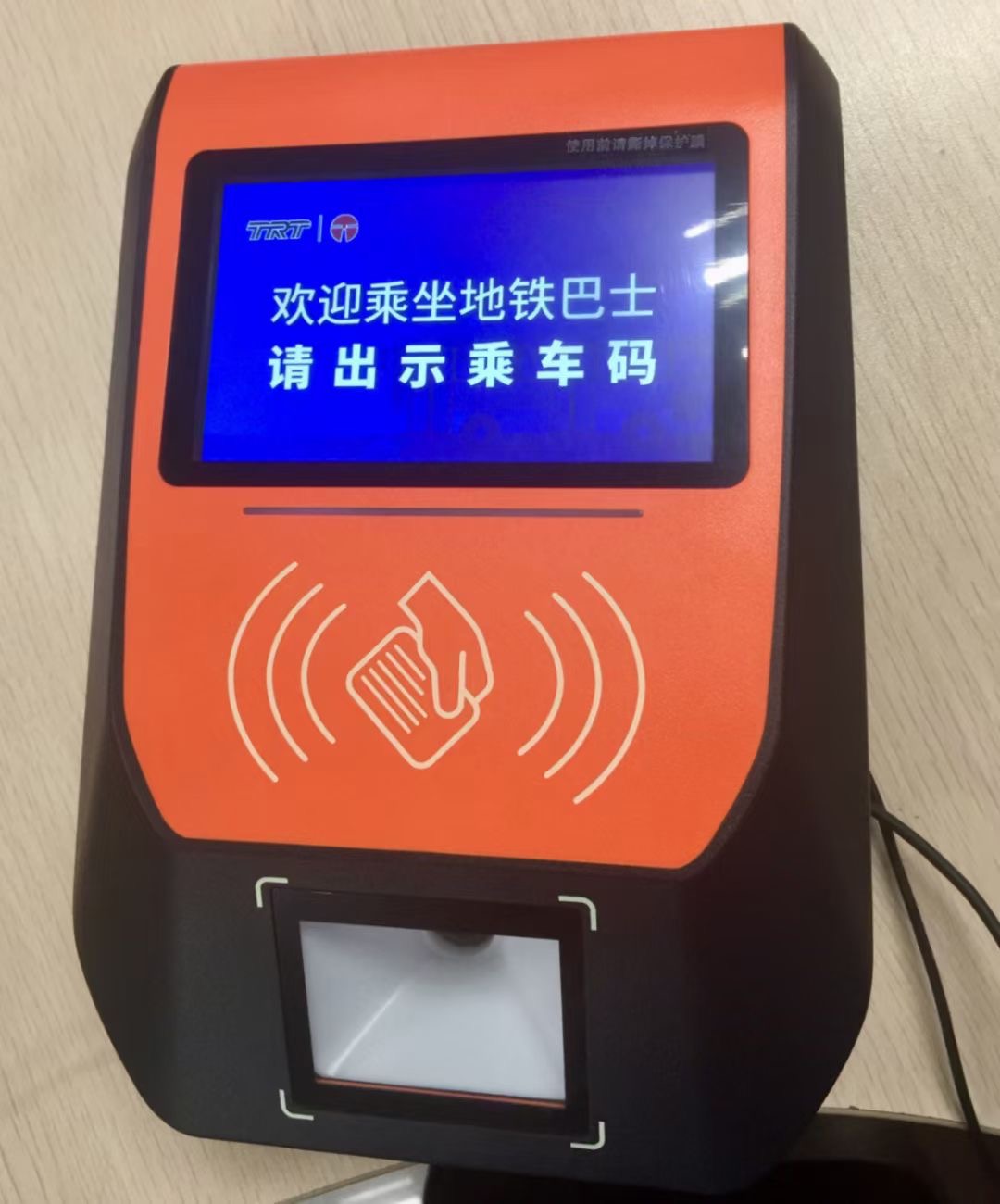 Can Bus Zonal Fare Collection Be Applied to Metro Systems?
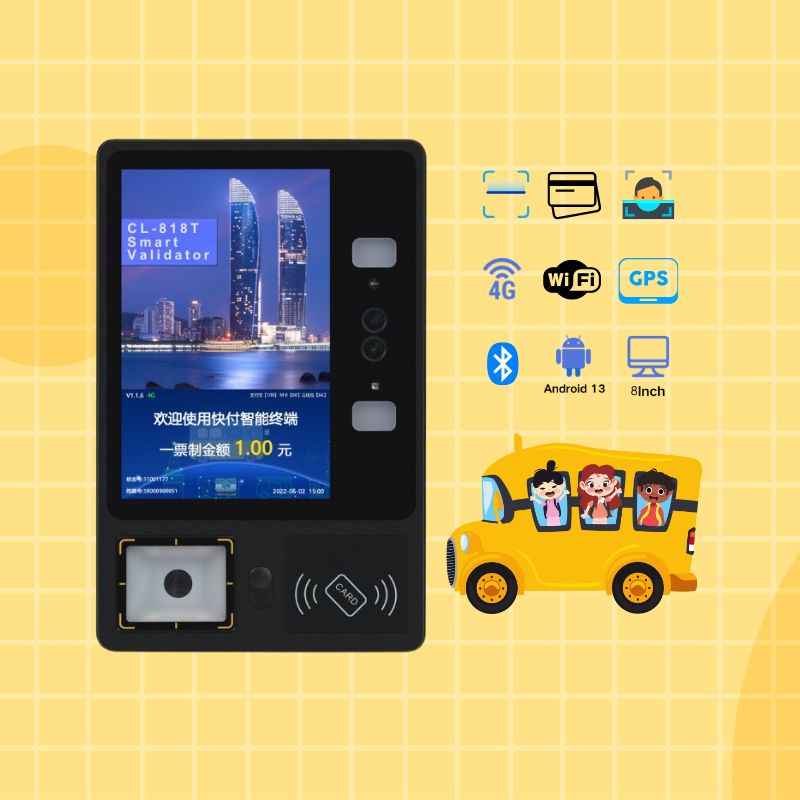 In which fields can prepaid cards be used for bus card readers?
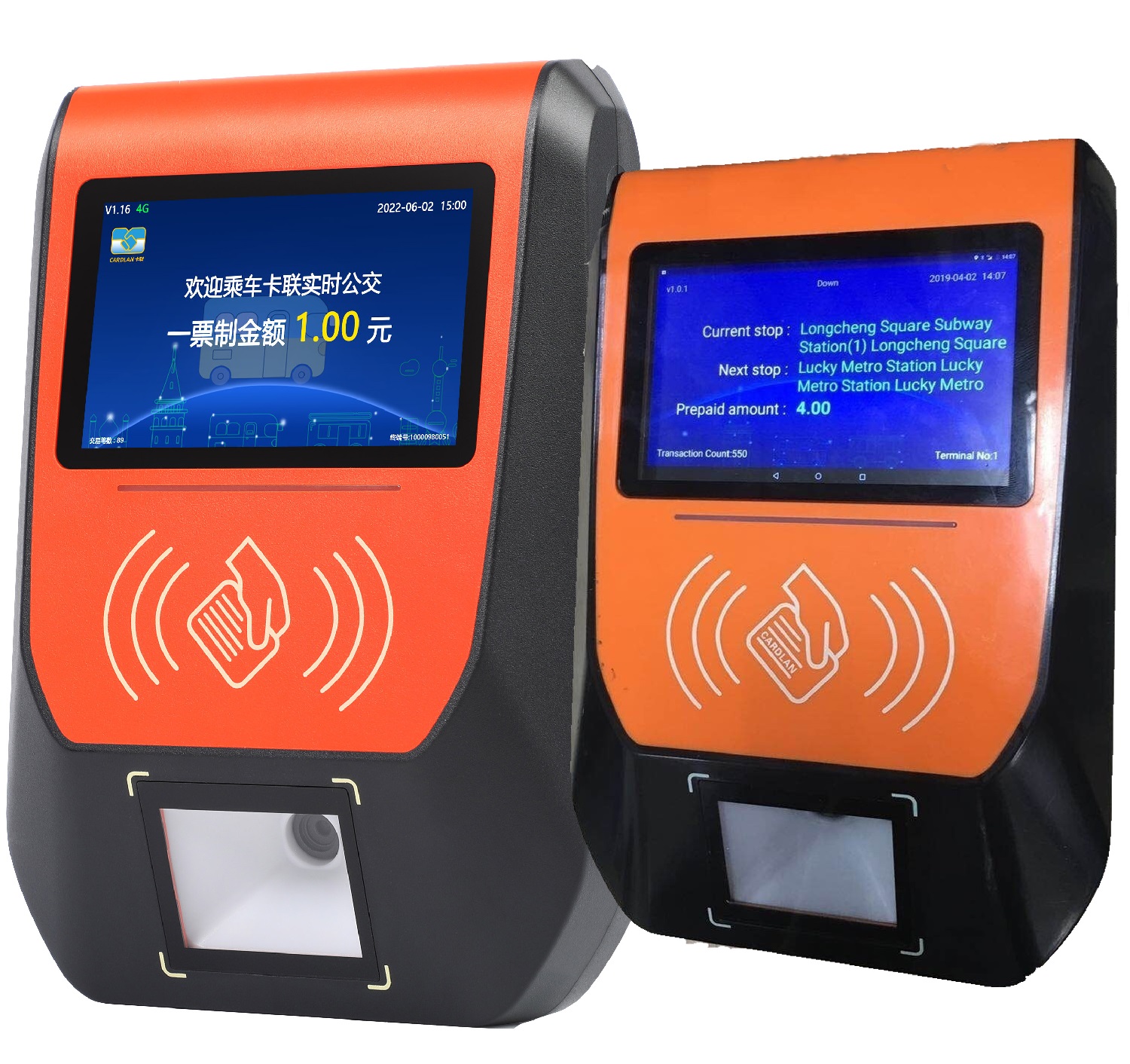 Cardlan Validator support SDK and API for development
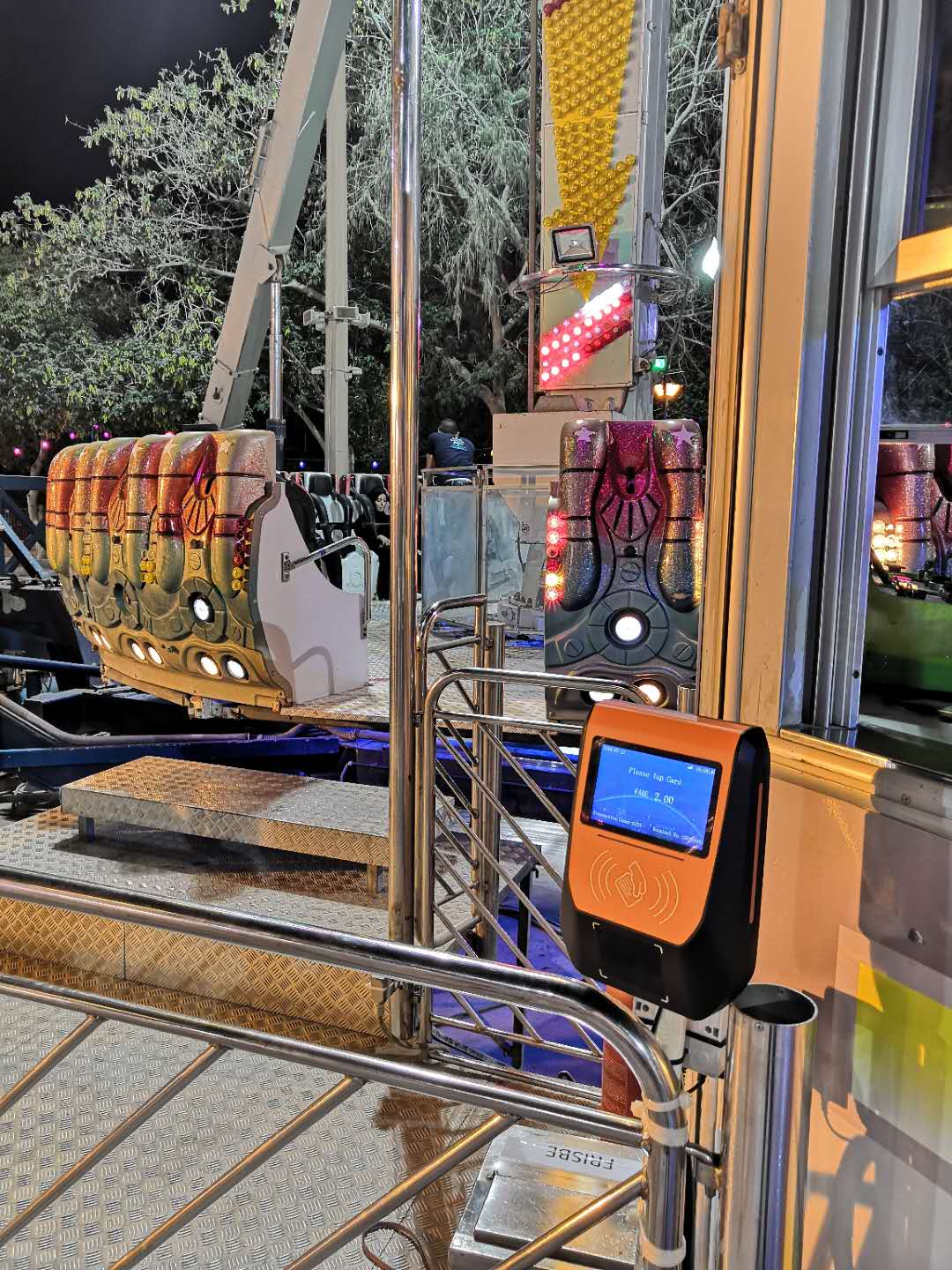 Amusement Park Card Payment System