Single-purpose prepaid cards
Can only be used within the issuing company or its affiliated group, brand chain, or franchise system.
Common applications include:
Retail: shopping cards from supermarkets or department stores (e.g., RT-MART Card, Suning Card)
Hospitality and dining: hotel gift cards, chain restaurant vouchers (e.g., Starbucks Gift Card)
Consumer services: beauty salon cards, gym memberships, car wash cards, home cleaning service cards
Multi-purpose prepaid cards
Issued by licensed third-party payment institutions, these cards are accepted across industries, companies, and regions, often through UnionPay-enabled POS terminals.
Usage covers:
Malls, supermarkets, gas stations, restaurants
Nationally networked merchants, such as Shangtong Card, Fu Card, and Shandong Yikatong
Industry-specific prepaid cards
Telecom: prepaid SIM cards (e.g., China Mobile’s “Shenzhouxing”) for phone credit
Public transportation: city transit cards (e.g., Beijing Yikatong, Shenzhen Tong) for buses and subways
Online services: game cards, e-commerce gift cards (e.g., JD eCard) for account top-ups
International applications of prepaid cards
Travel and cross-border spending: multi-currency travel cards like UK’s Post Office Travel Money Card (supports 22 currencies) and Wise Travel Card (40+ currencies, low fees) are widely used globally.
Salary and contractor payments: companies use payroll cards to pay employees or freelancers, especially useful for unbanked workers (e.g., McDonald’s in the U.S.).
Gifts and customer rewards: branded gift cards (e.g., Visa/Mastercard gift cards) are popular in retail and dining; Japan’s Suica and Pasmo are often gifted due to their wide usability.
Online and digital services: cards like Europe’s Paysafecard enable secure, anonymous online payments for platforms like Twitch or Spotify.
Financial inclusion and budgeting: prepaid cards offer banking alternatives for the unbanked (e.g., 41% of Italians use them) and help youth manage spending without overdraft risk.
Transportation prepaid cards with expanded use
Public transit: core payment tools in cities worldwide—Japan’s Suica and Pasmo work on subways, buses, ferries, and offer transfer discounts.
Retail and daily spending: integrated into convenience stores (7-Eleven, FamilyMart), fast food outlets, vending machines, and bookstores—Korea’s T-Money and Singapore’s EZ-Link support such transactions.
Tourism services: tourist versions like Pasmo Passport allow access to attractions, souvenirs, and luggage storage, often with partner discounts.
Multi-scenario integration: Hong Kong’s Octopus Card is accepted in parking lots, school cafeterias, public pools, and even pet clinics; London’s Oyster Card works at some pubs and newsstands.
Digital integration: modern cards can be linked to Apple Pay or Google Wallet, enabling contactless mobile payments for transit and shopping.

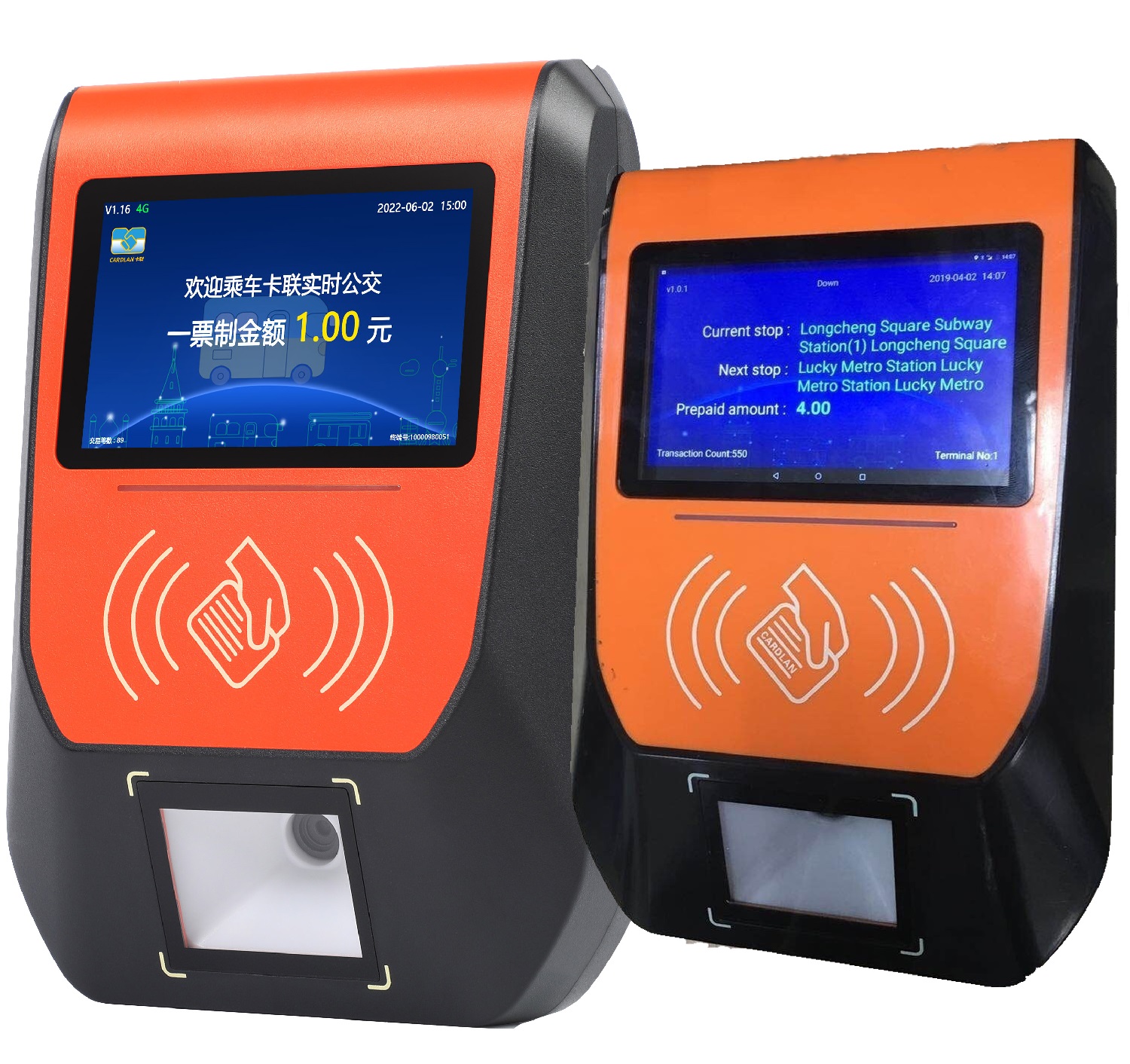 Cardlan Validator support SDK and API for development
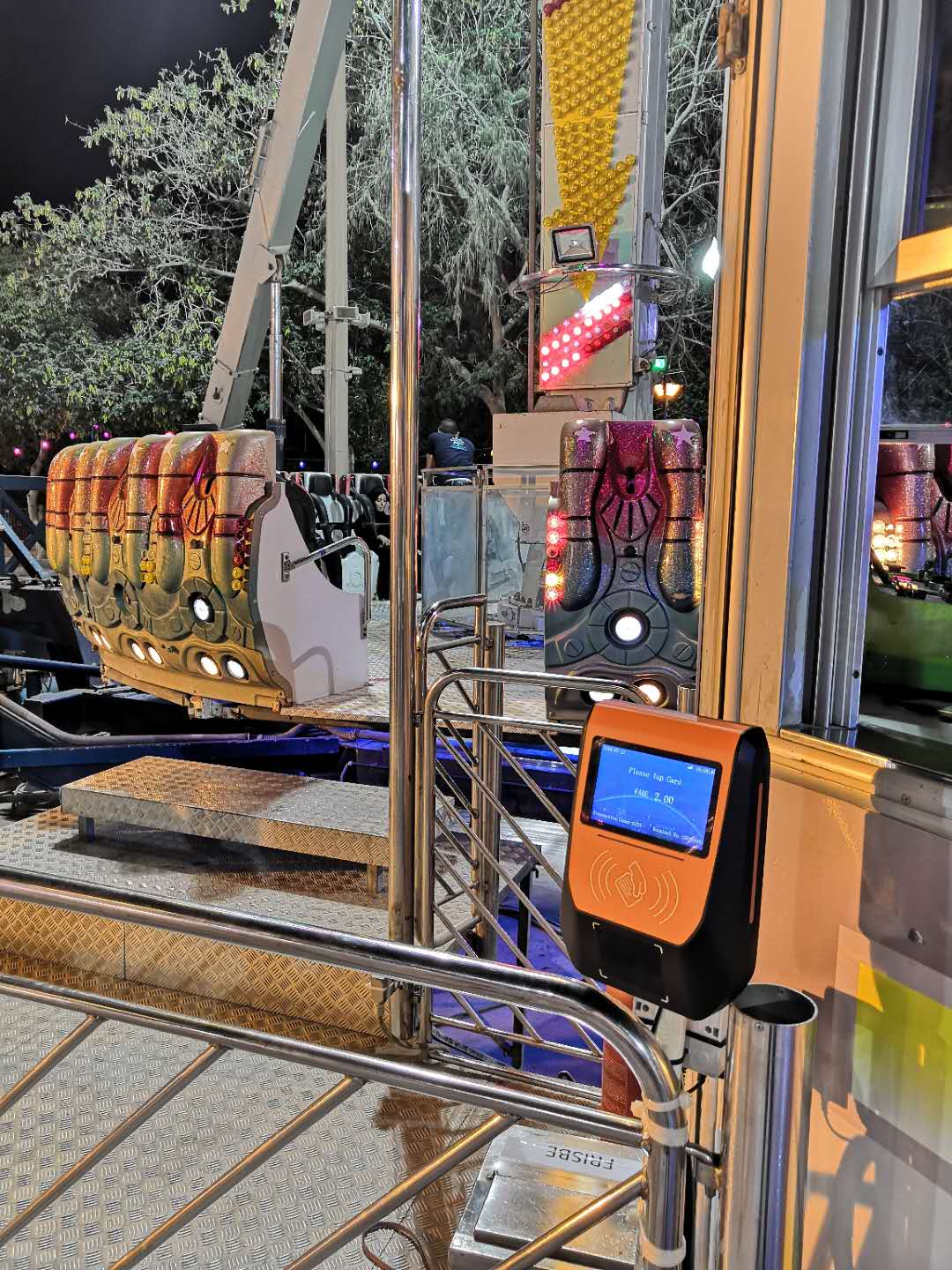 Amusement Park Card Payment System
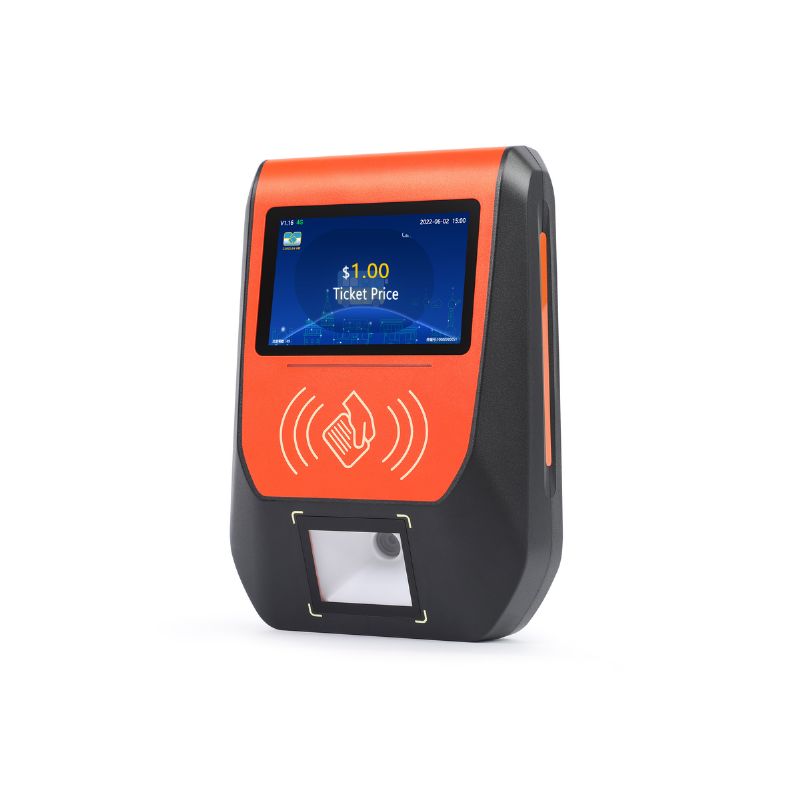 What is prepaid Card System?
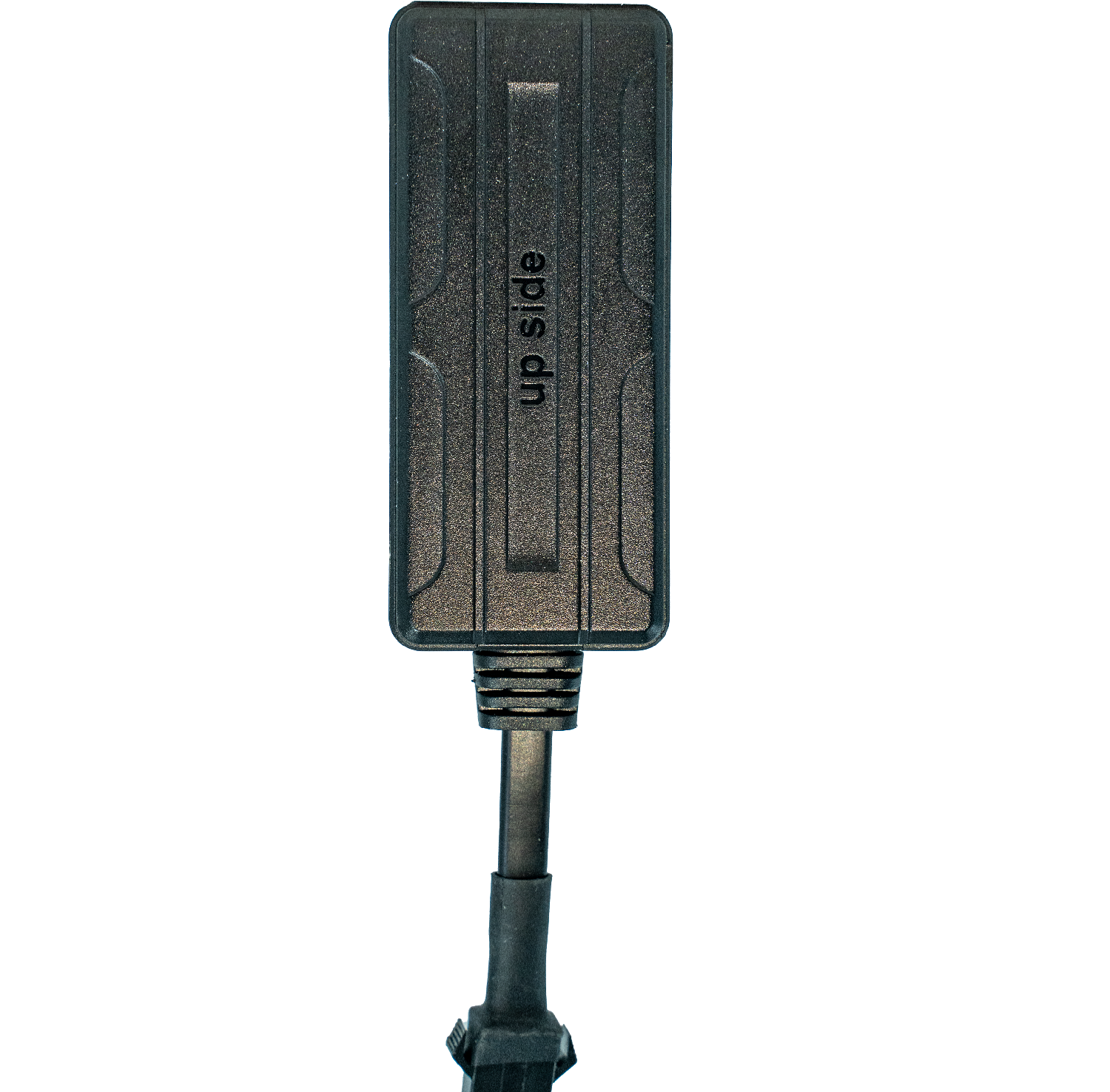 The Joint Use of Bus Card Readers and GPS Trackers