The following is a detailed analysis of the development of bus card swiping machine manufacturers in 2025:
1、 Technological innovation leads development
Developing new technologies: Bus card reader machine manufacturers should focus on the research and application of emerging technologies, such as biometric technology, Internet of Things technology, etc., to enhance product competitiveness and technological barriers. These new technologies can provide users with a more convenient and secure payment experience.
Intelligent upgrade: With the popularization of artificial intelligence technology, bus card swiping machine manufacturers can launch high-end card swiping machines with intelligent recognition, intelligent analysis and other functions to meet the market's demand for intelligent products.

2、 Market layout optimization
Deeply cultivating the domestic market: Bus card swiping machine manufacturers should continue to deeply cultivate the domestic market, especially in first tier and new first tier cities, where there is a strong demand for public transportation payments and a large user base.
Expanding the international market: While consolidating the domestic market, bus card swiping machine manufacturers should also actively seek development opportunities in the international market, by participating in international exhibitions, establishing overseas sales networks, and other means to enhance brand awareness and influence in the international market.
3、 Brand building enhances competitiveness
Enhance brand awareness: Bus card swiping machine manufacturers should pay attention to brand building, improve brand awareness through advertising, public relations activities, and other means, and enhance users' trust and recognition of the brand.
Enhancing user loyalty: Manufacturers should also enhance user satisfaction and loyalty by providing high-quality products and services, thereby consolidating and expanding market share.
4、 Sustainable Development Strategy
Green and low-carbon operation: Bus card swiping machine manufacturers should promote green and low-carbon operation, using environmentally friendly materials, energy-saving technologies, and other means to reduce energy consumption and emissions during product production and operation.
Incorporating ESG concepts: Manufacturers should also actively integrate ESG (environmental, social, and governance) concepts, pay attention to corporate social responsibility and sustainable development, in order to achieve long-term stable development.
5、 Cases and Trends
Innovative case: For example, Wuhan City One Card Co., Ltd. successfully applied for a patent for a new energy bus card swiping machine monitoring device. This innovation not only enhances the safety and convenience of public transportation services, but also provides a new perspective for the integration and exploration of card swiping and monitoring technologies in the future.
Development trend: As urban public transportation systems continue to move towards digitization, networking, and intelligence, bus card swiping machine manufacturers should keep up with the trend of the times and launch more innovative products that meet market demand and technological trends.
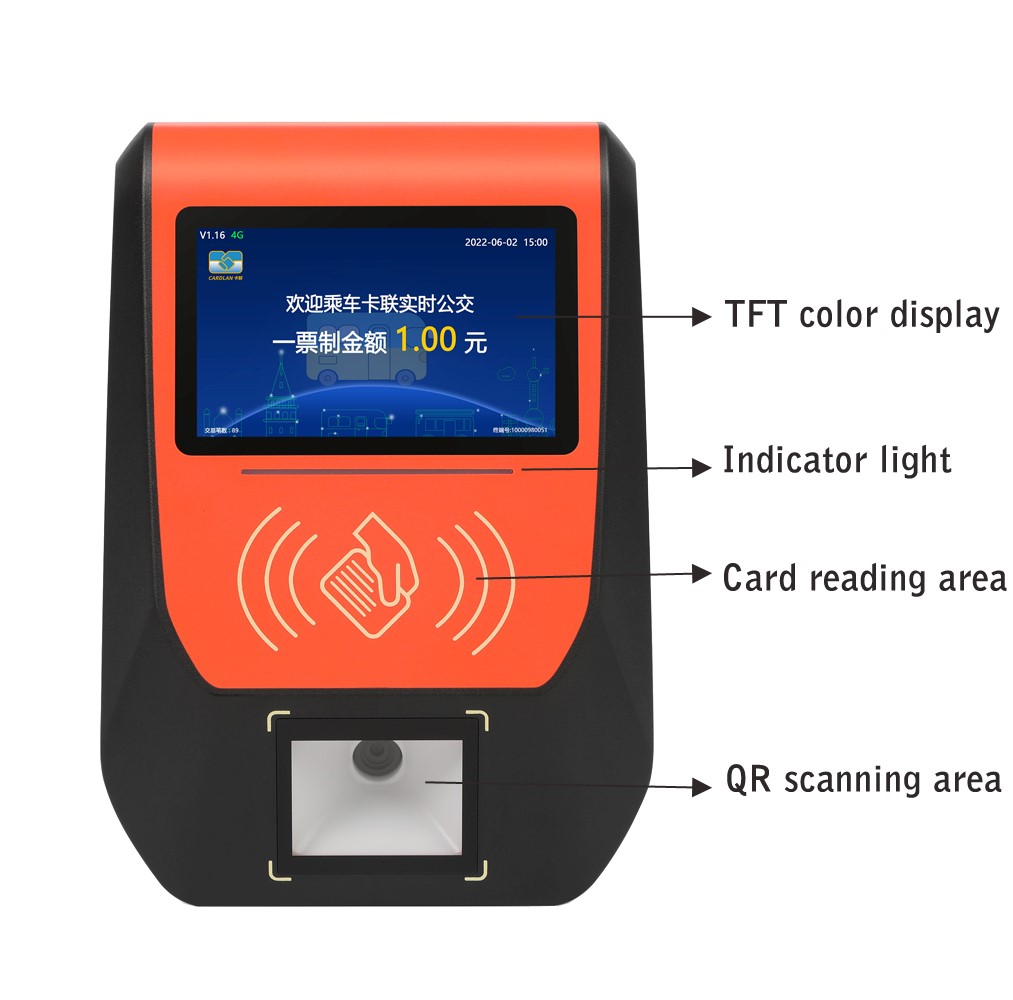
In summary, by 2025, bus card reader machine manufacturers will face new development opportunities and challenges in terms of technological innovation, market layout, brand building, and sustainable development. By continuously optimizing products, expanding markets, enhancing brand influence, and promoting the implementation of sustainable development strategies, bus card swiping machine manufacturers will be able to stand out in fierce market competition and achieve more stable and sustainable development.

 Why do some buses have only one card reader while others have two?
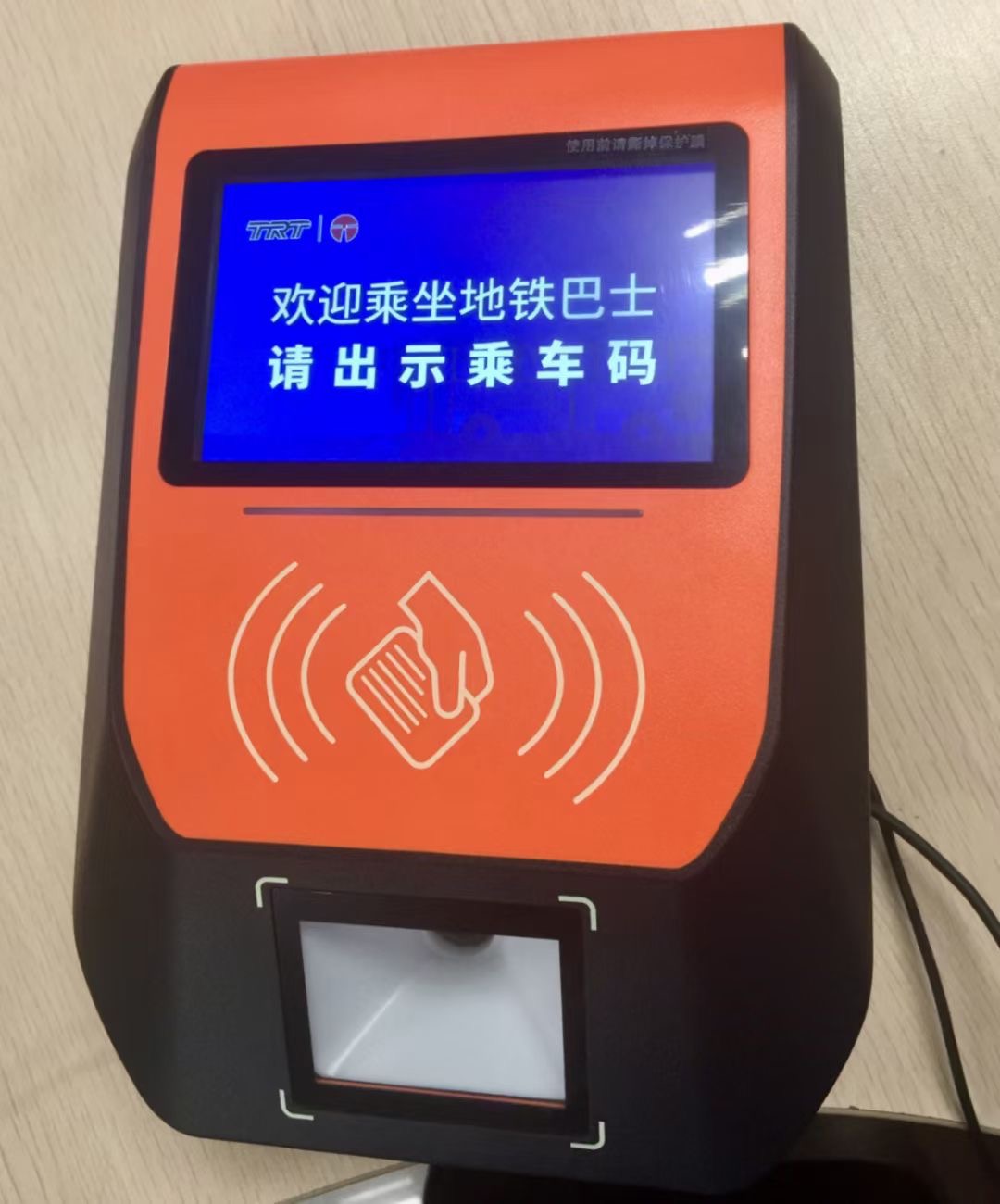 Can Bus Zonal Fare Collection Be Applied to Metro Systems?
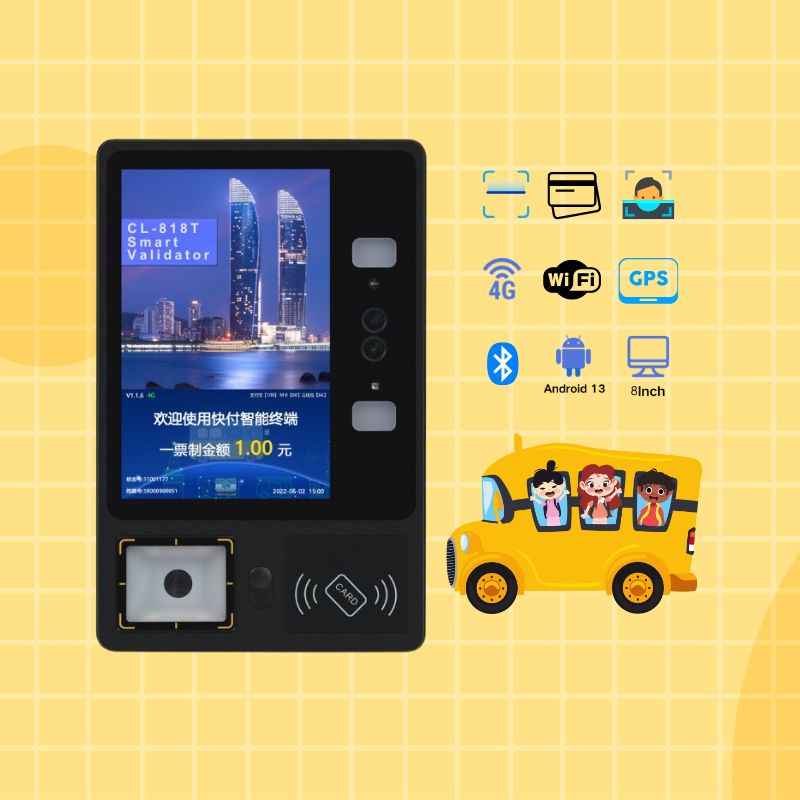 In which fields can prepaid cards be used for bus card readers?
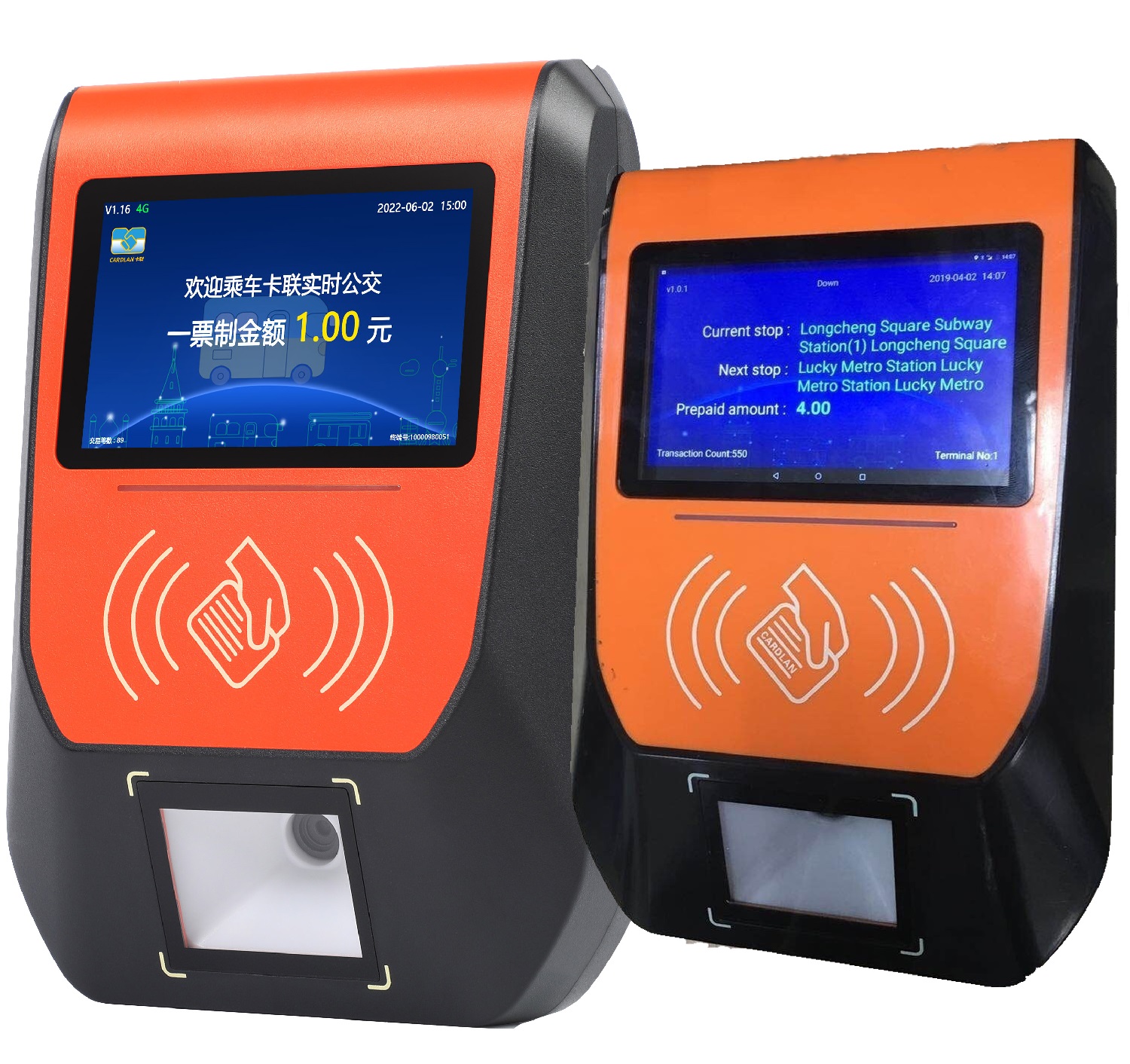 Cardlan Validator support SDK and API for development