
“Can I pay with Alipay?” “Can I use WeChat wallet?” These ubiquitous inquiry show that scan code payment has penetrated into our lives and become part of our lives. It is undeniable that QR code scanning has become an important payment method. Convenience and efficiency are its most prominent features, and it is accepted by more and more consumers.
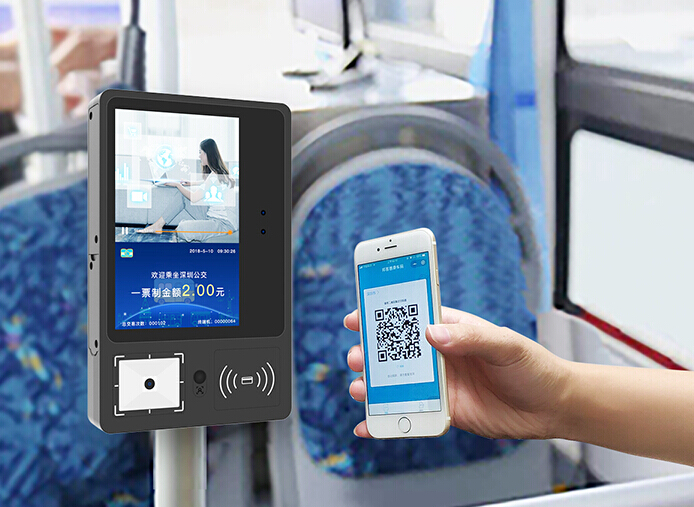
Scanning code has gradually become the main way for citizens to pay for their fares. The full coverage of the scanning code payment is implemented, making it more convenient for citizens to travel by bus. The public can easily travel by simply opening the mobile payment function. At the same time, the bus company can carry out scanning channels of other channels such as bus own code and Union-Pay code later through mobile payment portals.
Scanning code rides have become a payment tool for the daily use of citizens, which not only stimulates more consumer demand, but also raises the level of social data and becomes a mirror reflecting economic operation.
Professional bus scan code payment tools not only need to make passengers quick and secure, but also improve the data level of the whole society, so that the citizens can live smarter and more convenient, so that they can attract people more while solving the "pain point", bringing more consumption. For the bus company, the digital level of the whole society has been improved, and the development space has been expanded for the enterprise, so that the payment scene of the bus company is “safe and secure” and the huge development energy of the bus industry is released.
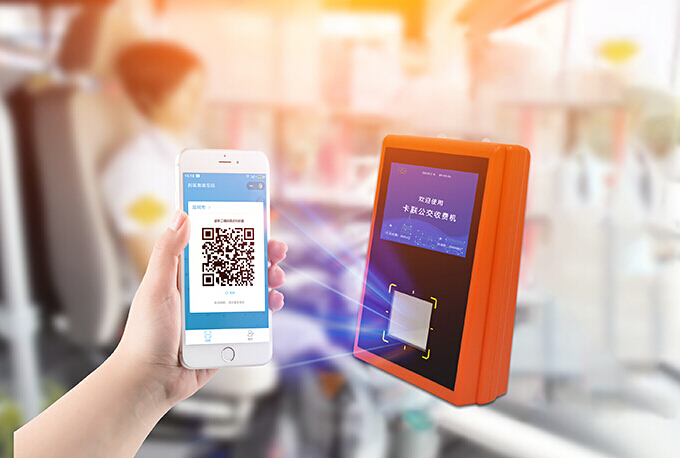
The new card scanning machine that can be scanned developed by Shenzhen Cardlan Technology Co., Ltd. is slightly different from the ordinary card-scanning equipment. This Cardlan machine’s display shows the relevant information of the card, including the card number, consumption amount and card internal balance. The right side area below the display supports the ordinary bus card card transaction, the left side area below the display is the "scan code payment area" to support mobile phone code scanning transactions. When passengers are riding, pay attention to distinguish between the credit card area and the “scan code payment area”.
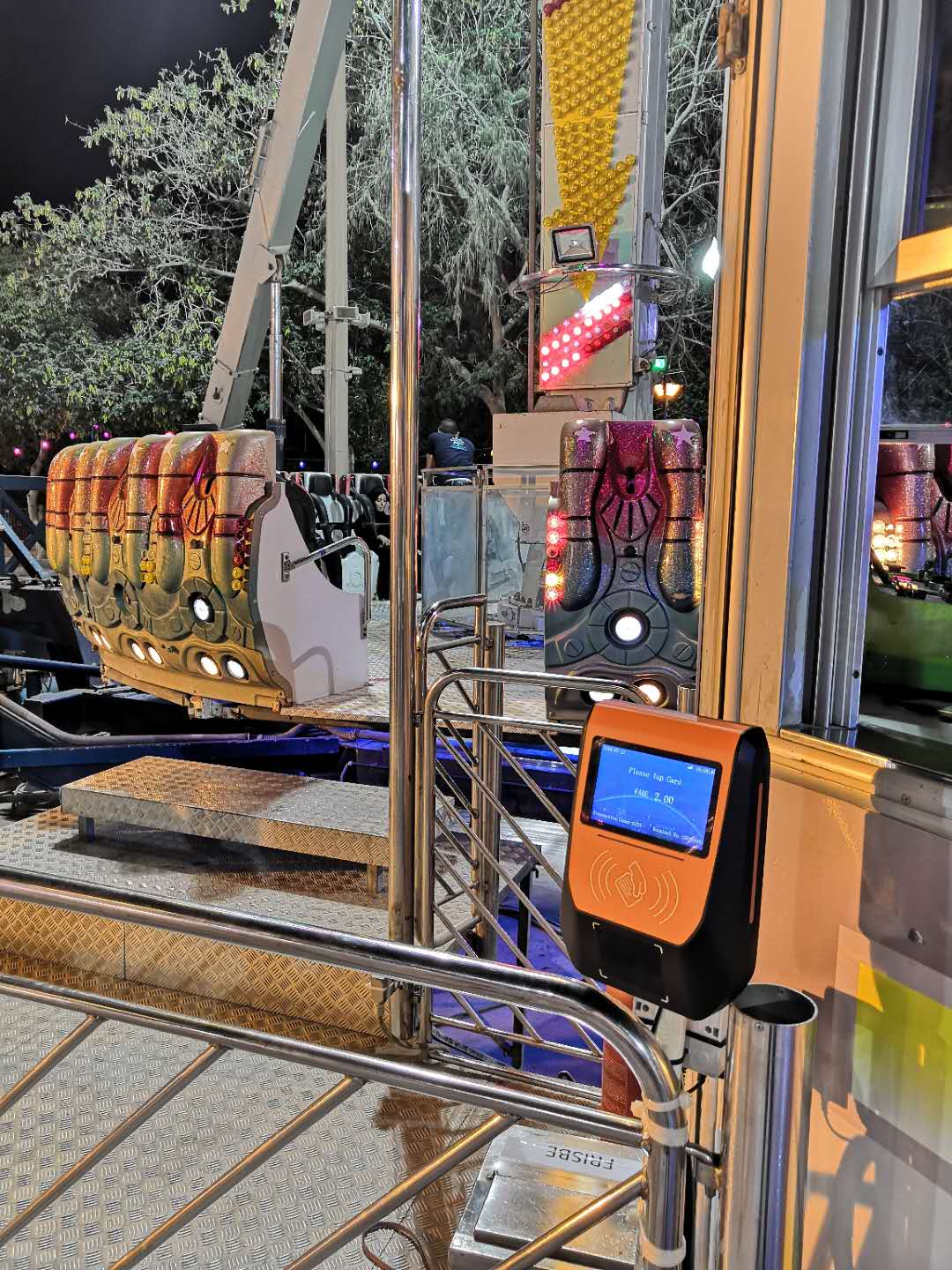 Amusement Park Card Payment System
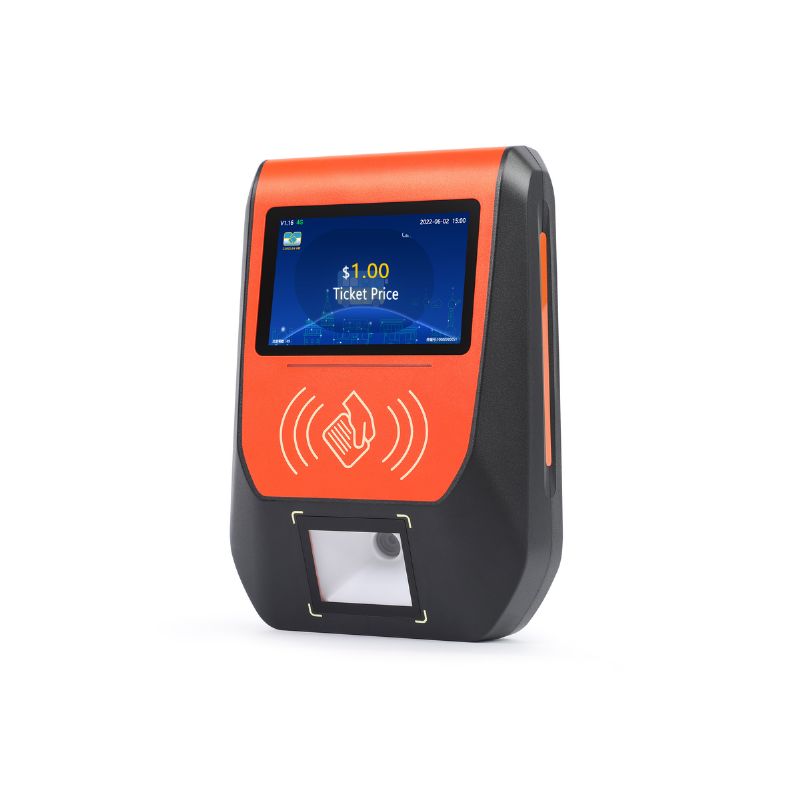 What is prepaid Card System?
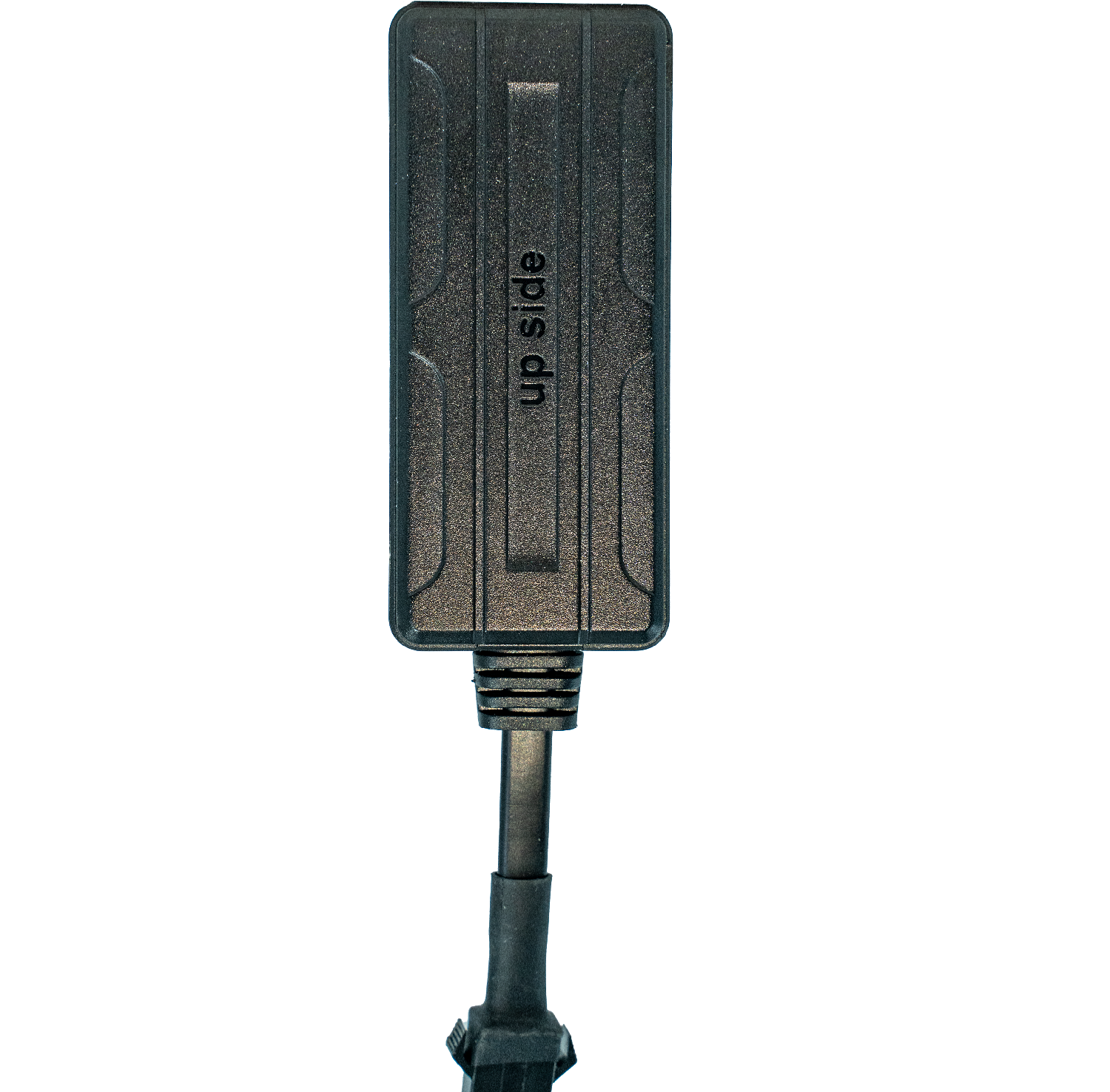 The Joint Use of Bus Card Readers and GPS Trackers
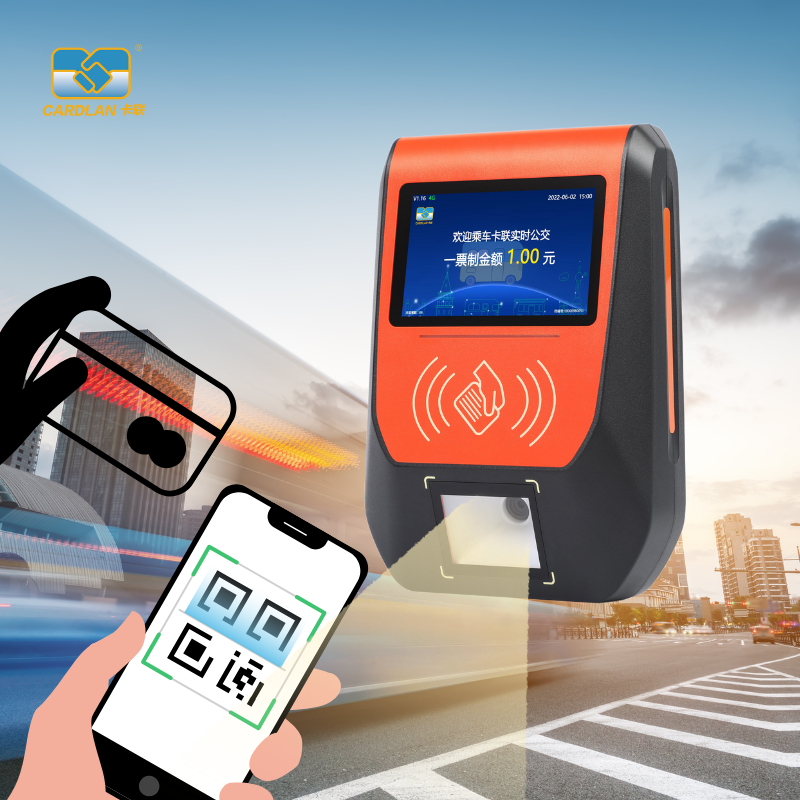 Compatibility Expansion and Multi-Scenario Reusability of In-Vehicle Terminal Devices