
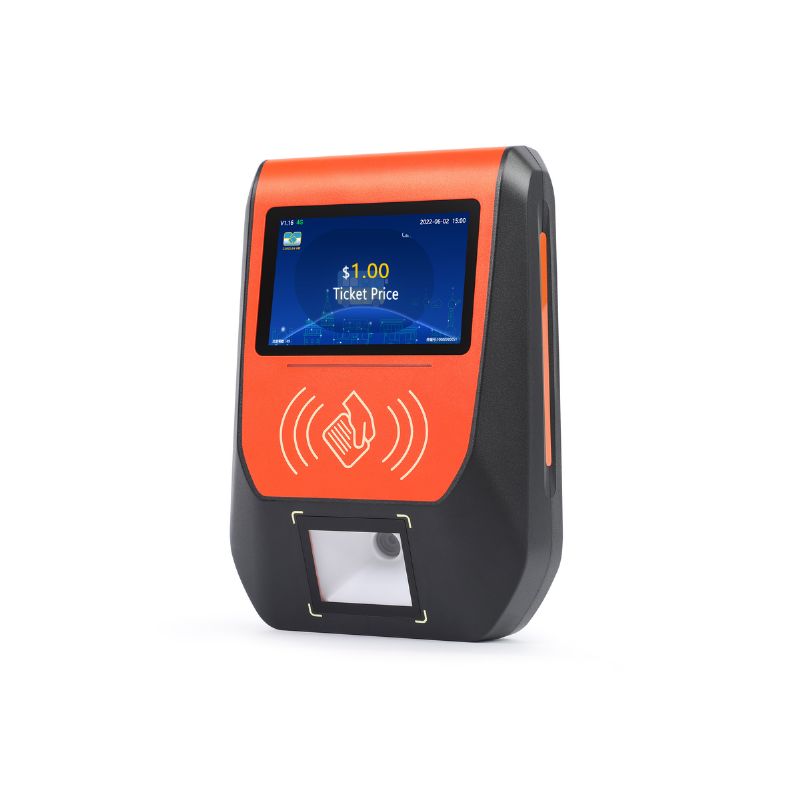
When the passenger tap the card, the two-dimensional code of the mobile phone payment fee is close to the scanning area of the credit card device (car credit card charging machine, hereinafter referred to as the in-vehicle device), and the in-vehicle device recognizes the two-dimensional code, and then performs the deduction after the identification, the above operation Upon completion, the in-vehicle device has completed the charging of passengers and the passengers can take the car. After the passenger swipes the card, the vehicle-mounted machine host completes the corresponding deduction and stores the corresponding consumption record.
When the bus enters the terminus, the data of the car host needs to be uploaded to the server. The early method was semi-automatic, that is, the staff used the data collector to “touch” the front of the vehicle to exchange data. Nowadays, the scanning code payment terminal can adopt wireless data transmission mode, and the vehicle-mounted device automatically uploads the stored data of the machine to the data collection system, and issues the blacklist and other downloaded content to the vehicle-mounted device, and no one intervenes in this process.
After the car intelligent network card swipe machine opened the era of car scanning code, one avoided the trouble of change, the second was to increase the potential passengers, and the third reduced the work intensity of the banker's banknotes. It takes several hours to have more than a dozen people. Now, after the implementation, the work intensity of the banknote counter will be reduced and the time will be reduced. This not only facilitates the masses, but also facilitates the bus company. The fourth avoids the trouble of counterfeit banknotes.
As the bus card machine manufacturer established in the past 20 years, Shenzhen Cardlan Technology will continue to expand the functions and innovations of in-vehicle intelligent network card products, and truly turn the code-sweeping device into a convenience product for the transformation and upgrading of urban traffic digitalization. Injecting new power, the scanning code card machine covers more cities and bus lines in the area, allowing more users to enjoy the convenient travel brought by the development of mobile payment.
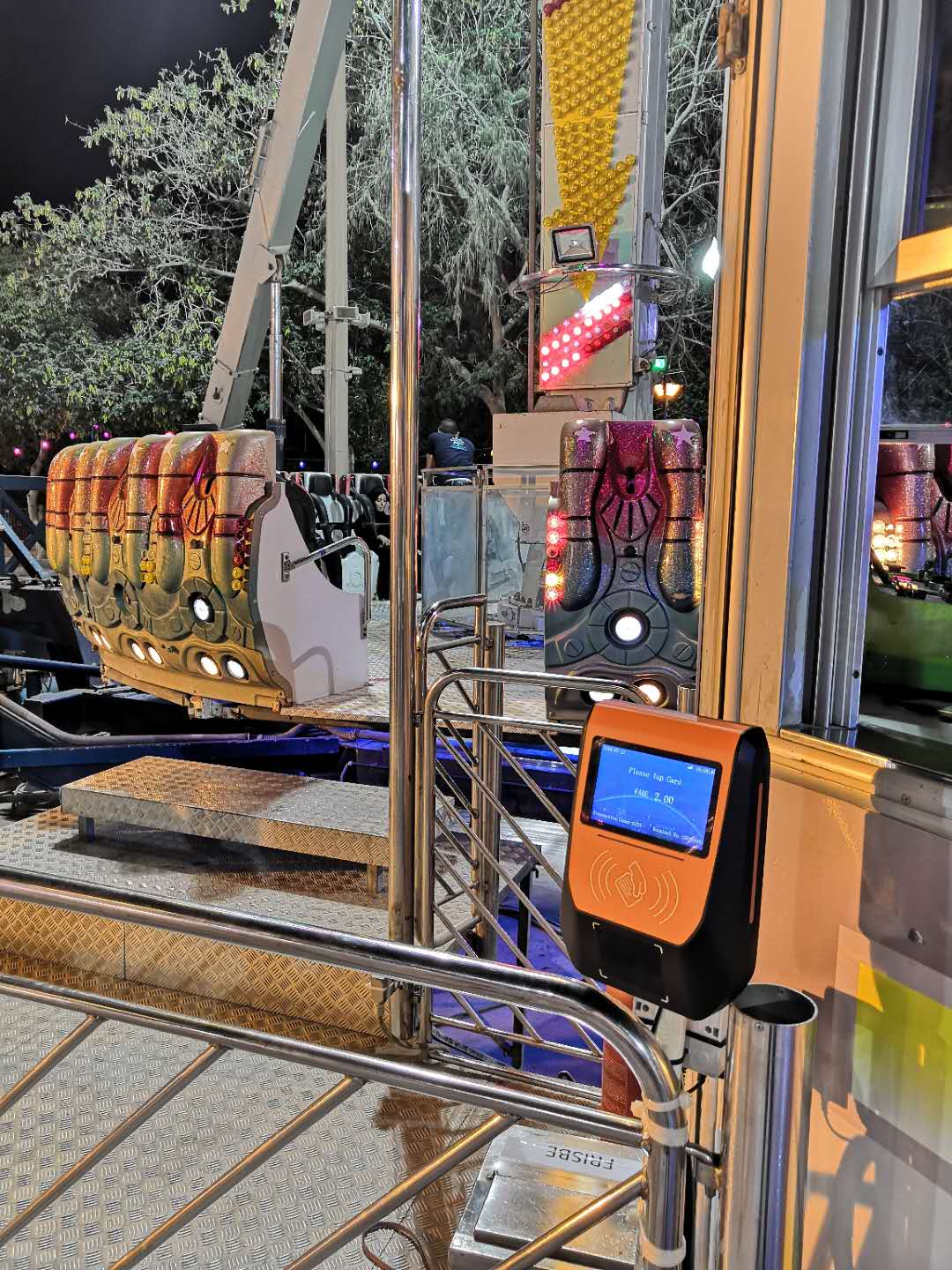 Amusement Park Card Payment System
 What is prepaid Card System?
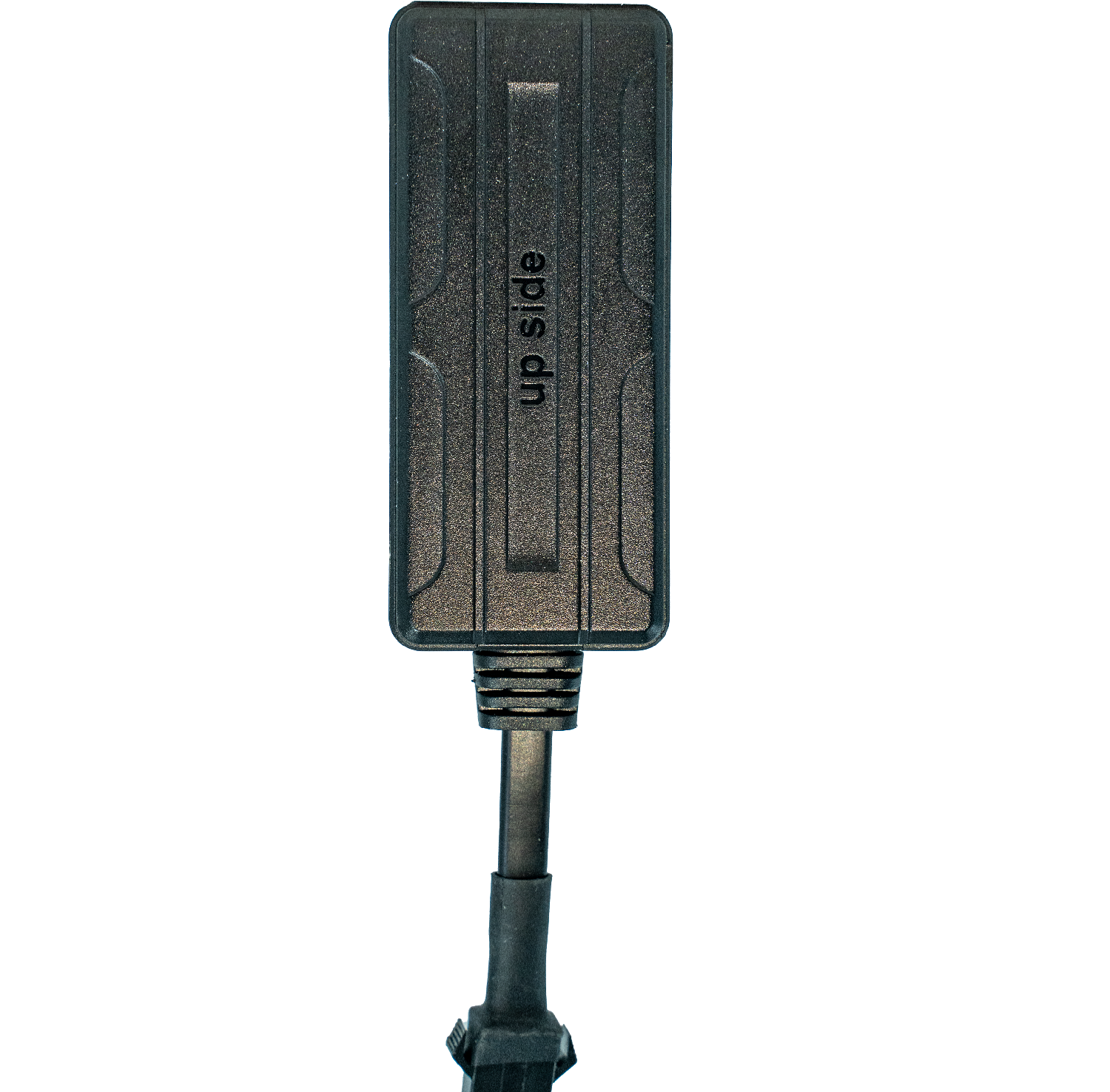 The Joint Use of Bus Card Readers and GPS Trackers
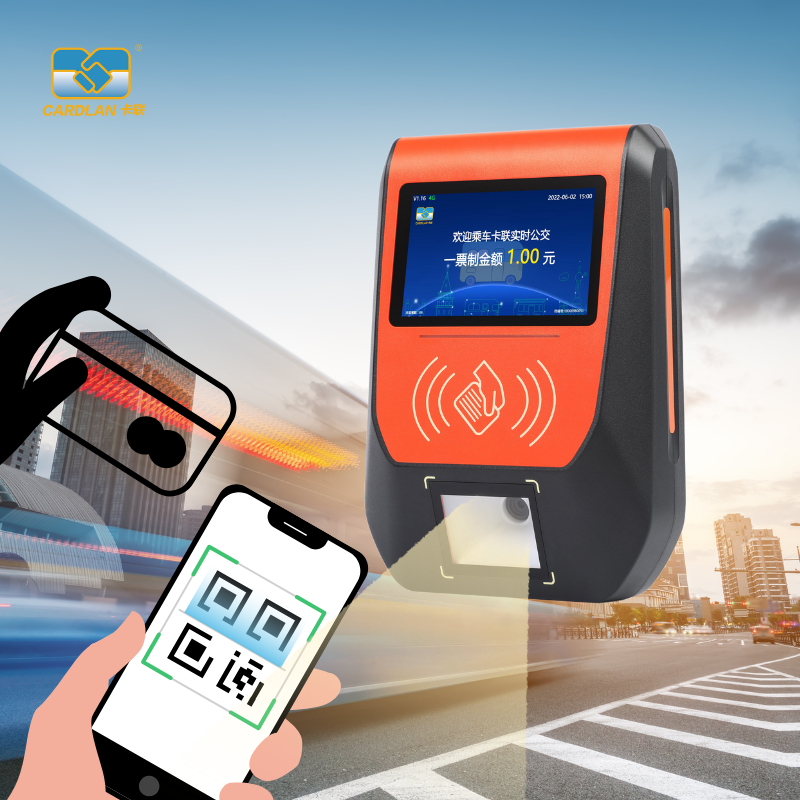 Compatibility Expansion and Multi-Scenario Reusability of In-Vehicle Terminal Devices