
With the prevalence of code scan payment, more and more bus credit card equipment has been upgraded or replaced. The method of payment for bus credit cards has gradually been replaced by code payment for bus fares, which is mainly determined by market demand. The IC card readers on buses independently developed and manufactured by Shenzhen Cardlan Co., Ltd. support code scanning.
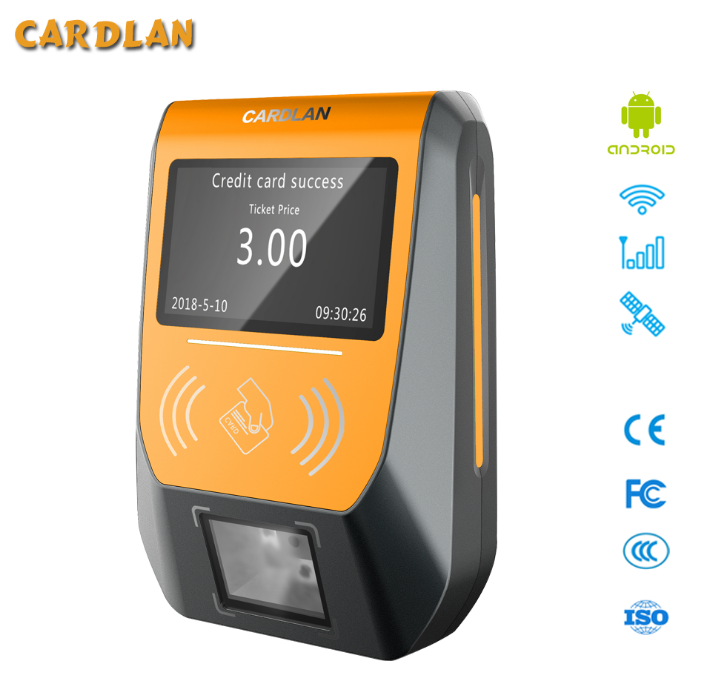
The IC card swiping on the bus is simply to make the card reader emit electromagnetic waves through the circuit, activate the specific integrated circuit in the bus card, make the bus card work, and change the data of the bus card (that is, swipe card). The contactless IC card reader / writer (ie, the bus card reader) uses radio frequency identification technology as the core. The reader / writer mainly uses a Mifare card dedicated read-write processing chip-MMM micro-module.
The principle of the bus card reader's scanning code deduction is that the passenger's payment code contains a unique ID identifying the user. The scanning area of the bus card reader submits an order to WeChat or Alipay through the cash register system to identify the scanning area. The information is passed to WeChat or Alipay, and the corresponding user is found according to this exclusive ID, and the corresponding fee is directly deducted through billing.
Shenzhen Cardlan Co., Ltd. is committed to the interconnection of smart cities with independent and complete software and hardware products. The main products are bus credit card machines, bus consumer machines, bus vehicle machines, bus card, bus IC card, bus card system, etc. Facing the increasingly fierce market competition environment, Cardlan will advance the strategic vision, full of entrepreneurial passion, go forward bravely, meet challenges and seize opportunities.
 Why do some buses have only one card reader while others have two?
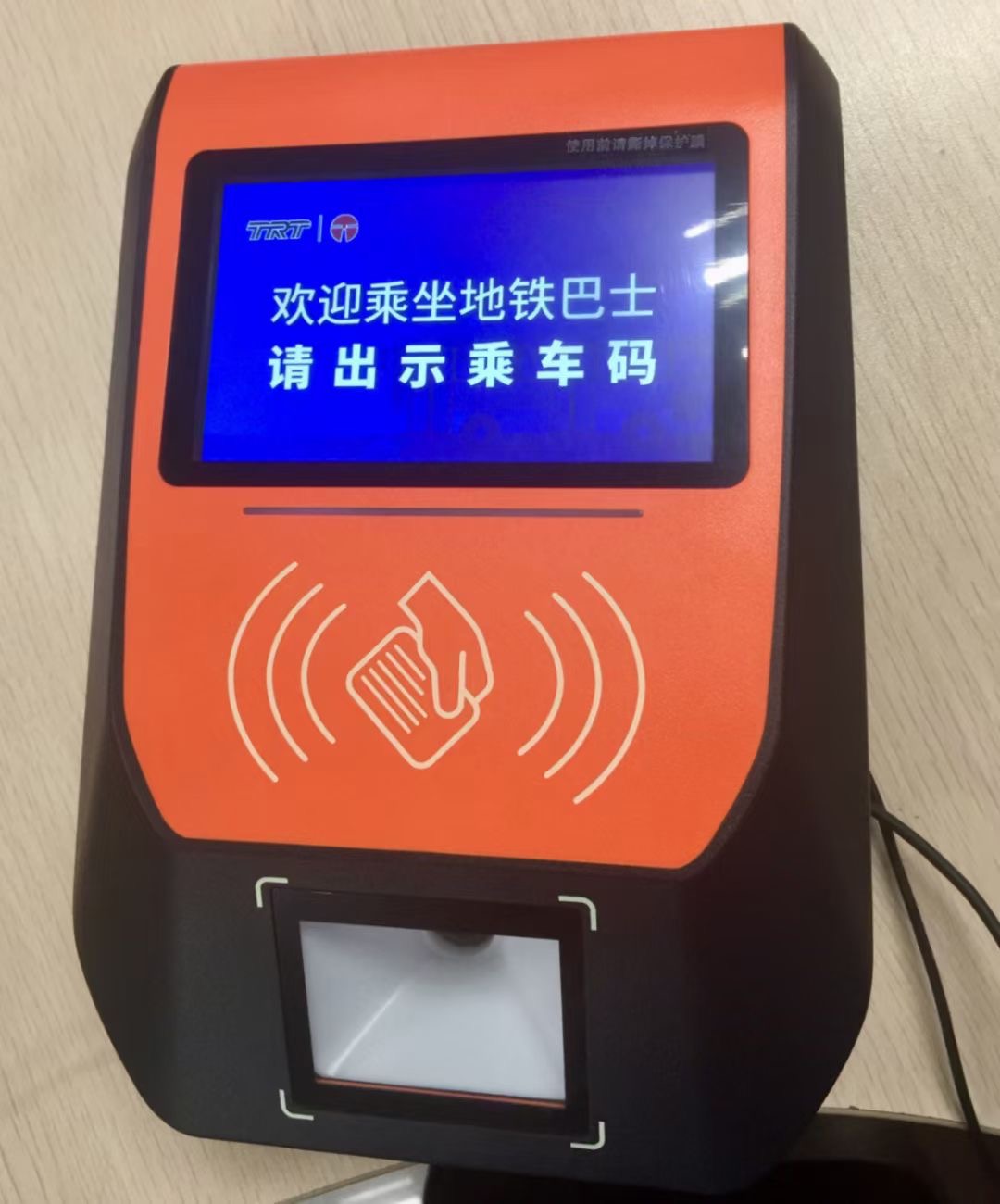 Can Bus Zonal Fare Collection Be Applied to Metro Systems?
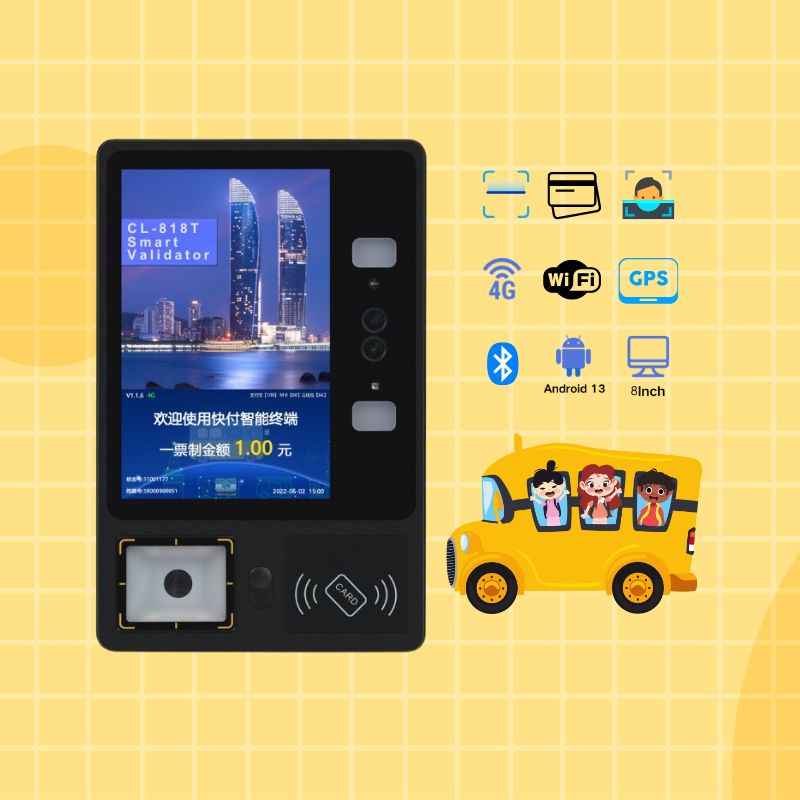 In which fields can prepaid cards be used for bus card readers?
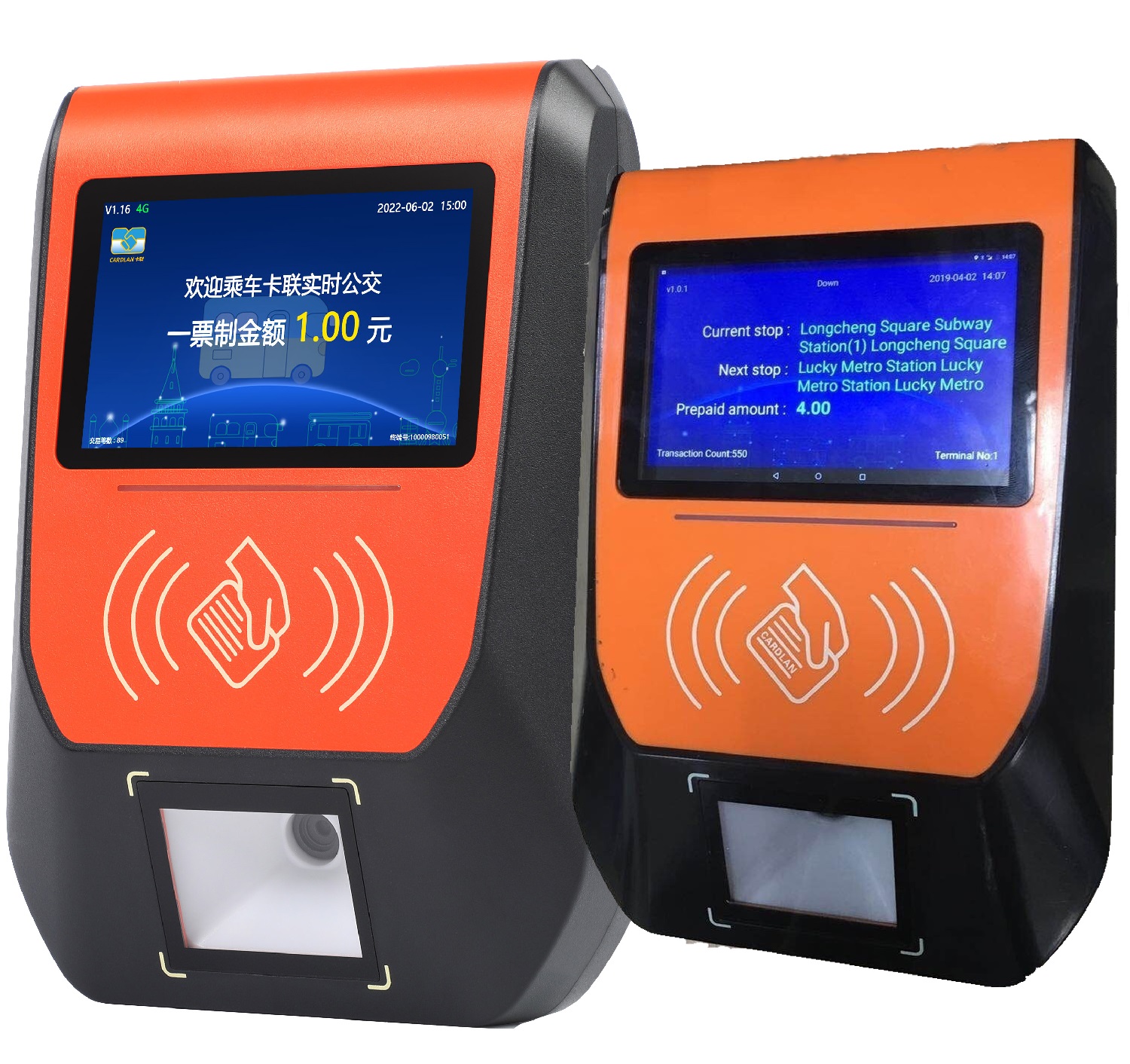 Cardlan Validator support SDK and API for development