
In order to support the development of integrated circuit design and software industry in China, the Ministry of Finance and the State Administration of Taxation have once again issued favorable policies and implemented the “two exemptions and three reductions” policy for related enterprises, which will have a positive impact on enterprises.

Recently, the Ministry of Finance and the State Administration of Taxation issued an announcement to support IC design and software industry development. For IC design companies and software enterprises that are legally established and qualified, the enterprise income tax will be calculated from the profit-making year before December 31, 2018. During the preferential period, the enterprise income tax will be exempted from the first year to the second year, and the enterprise income tax will be halved at the statutory tax rate of 25% from the third year to the fifth year, and will be enjoyed until the expiration.
The reporter visited some enterprises in Shenzhen to understand the relevant situation. As an interview with the reporter of Mr. Zhang Quan, the chairman of Cardlan Group, terminal related software development brand, Mr. Zhang Quan told reporters that Cardlan has been enjoying the VAT refund policy. As well as high-tech enterprises to reduce and exempt 10% corporate income tax preferential policies, the country will also include software companies in the "two exemptions and three reductions" policy, which will further reduce the company's tax expenditure burden, and return these tax expenses to the product development budget again. Encourage independent innovation of enterprises, create more high-end technology products with independent intellectual property rights, and help accelerate the pace of China's science and technology self-reliance.
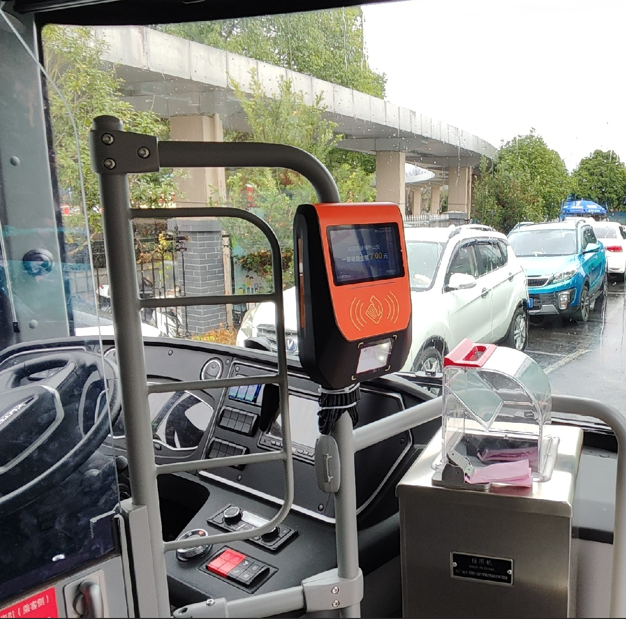 Bus prepaid card payment terminal manufacturer-Cardlan
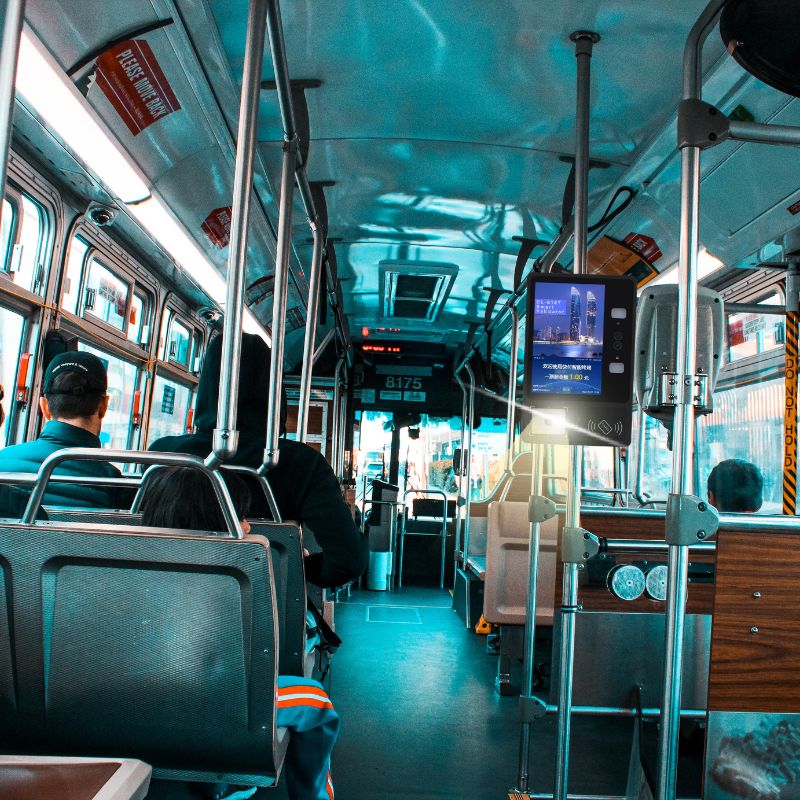 Why do some buses have only one card reader while others have two?
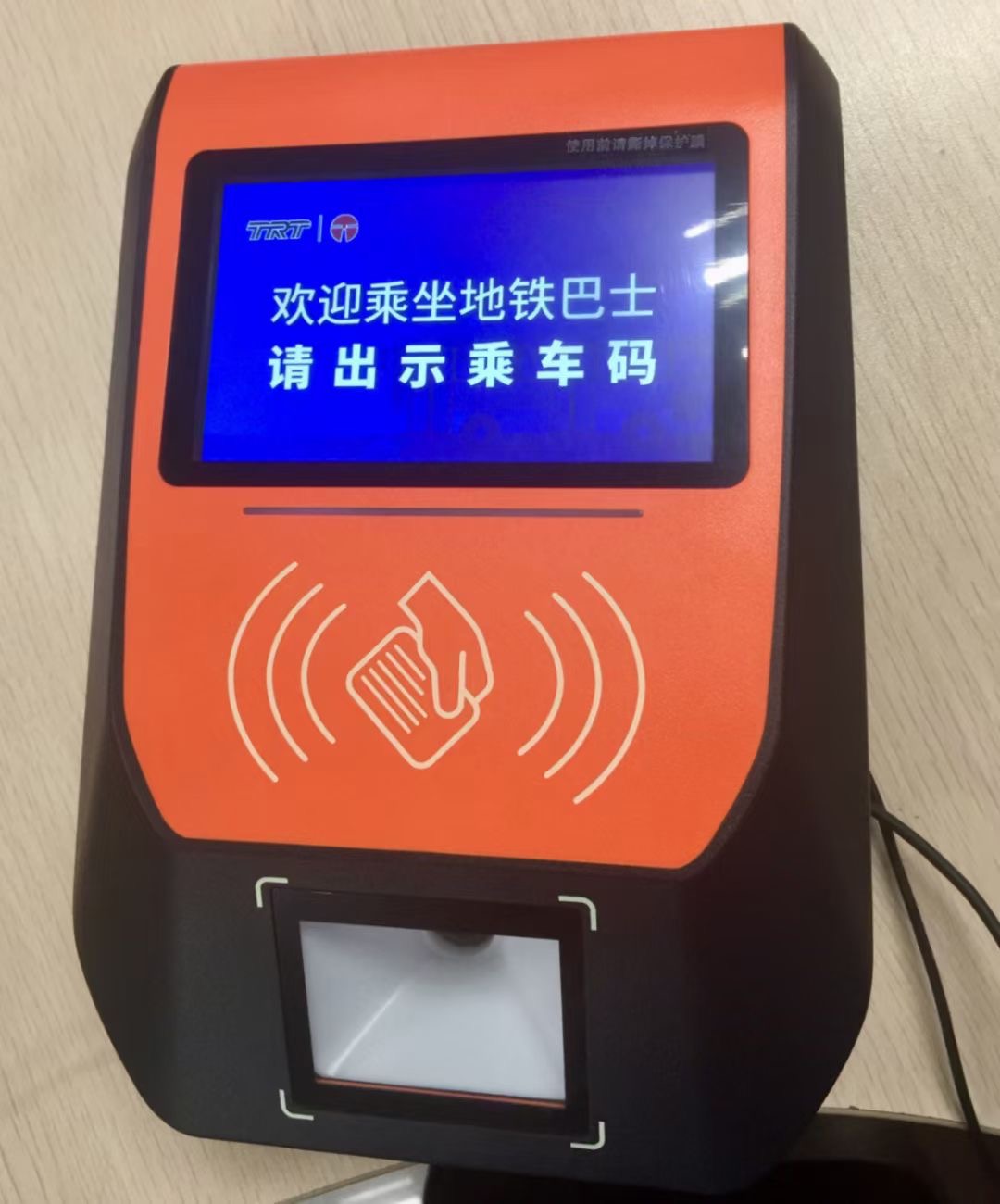 Can Bus Zonal Fare Collection Be Applied to Metro Systems?
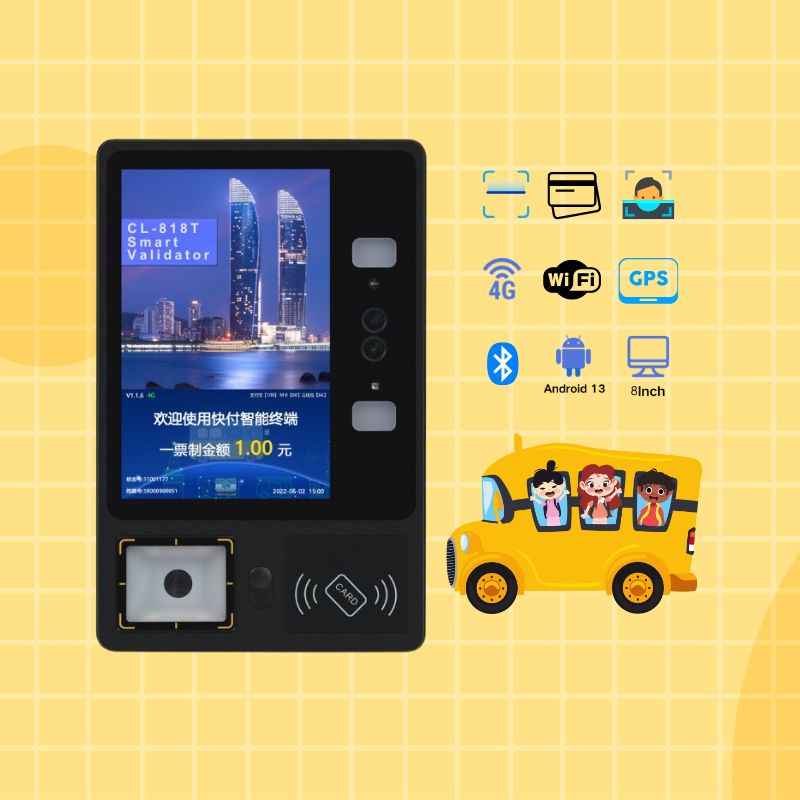 In which fields can prepaid cards be used for bus card readers?