
Bus card validator is very common in our life, especially for people traveling by public transport is more frequent, and the bus card-swiping device also saves us a lot of time and cost, greatly reducing the problem of change, but the conventional bus card-swiping machine is very single, generally brushing the public. Pay cards, and now is the era of electronic mobile payment, for Alipay, WeChat demand for payment is also growing, then we need to update a two-dimensional code to pay public transport fee POS machine (public car swipe card scanner). This article mainly introduces what code is used to scan the public car card scanner.
Passengers can use Alipay, WeChat and other channels to call the payment of QR code to pay for the fare in the scanning area, which is convenient and saves the embarrassment of having no money in rush.
Bus QR code scanning technology is a QR code payment product applied to the offline transportation area. For users, there is no need to keep regular change, so that they can avoid the limitations of the card charging point. Mobile payment can reduce the risk of counterfeit and fragmented coins, and reduce the cost of currency clearing, reconciliation and transportation.
Cardlan technology independent research and production of public car card scanner can scan Alipay two-dimensional code, WeChat two-dimensional code and APP payment code, click enter, there will be two-dimensional code of bus payment, the bottom shows "automatically updated every minute, continuous use please refresh two-dimensional code", so the use of two-dimensional code near the bus scan. Code can easily take the bus.
"At present, most passengers don't have any change for traveling. They only carry mobile phones or bank cards with them. Even many passengers think that bus card recharge is more troublesome," said the head of the stock market department of Cardlan. Compayn’s car card scanner to scan the opening of the new payment function, completely solve these problems, and the traditional bus card has regional limitations, the new payment method has completely broken the restrictions, where the bus can be brushed pay-as-you-go, very convenient. At the same time, after the implementation of mobile phones, UnionPay bus fares, the traditional bus card is still used to meet the payment needs of the elderly, children and other groups.
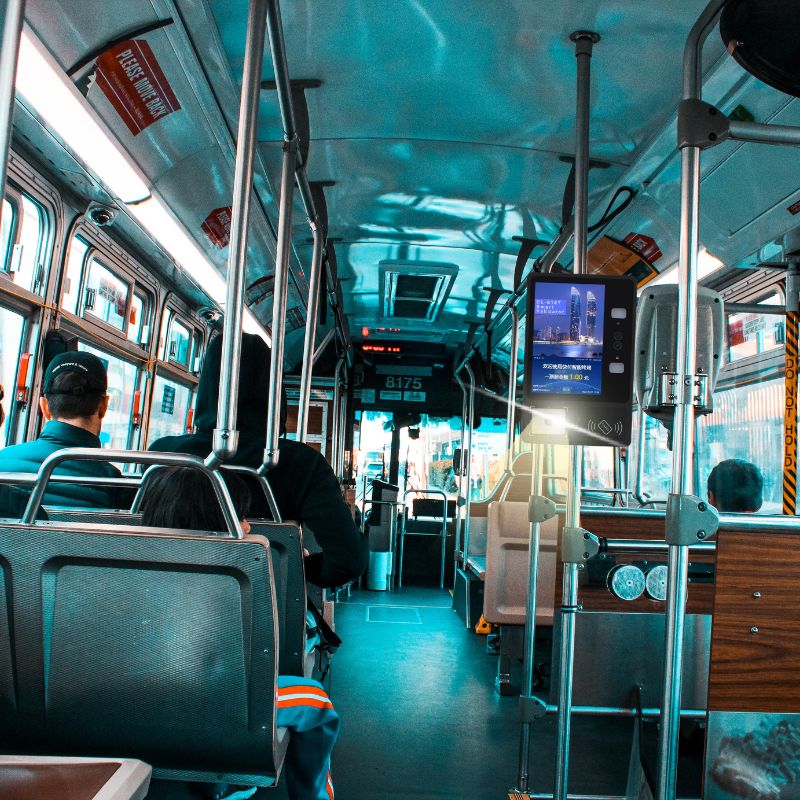 2026 New start of Cardlan bus validators!!!
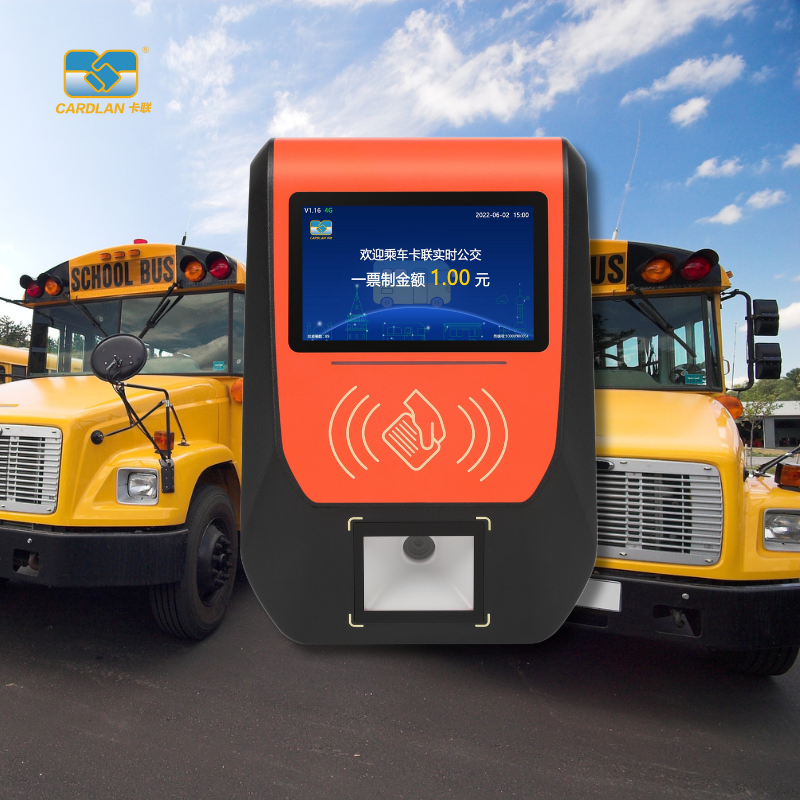 Cardlan Bus segment fare collection system
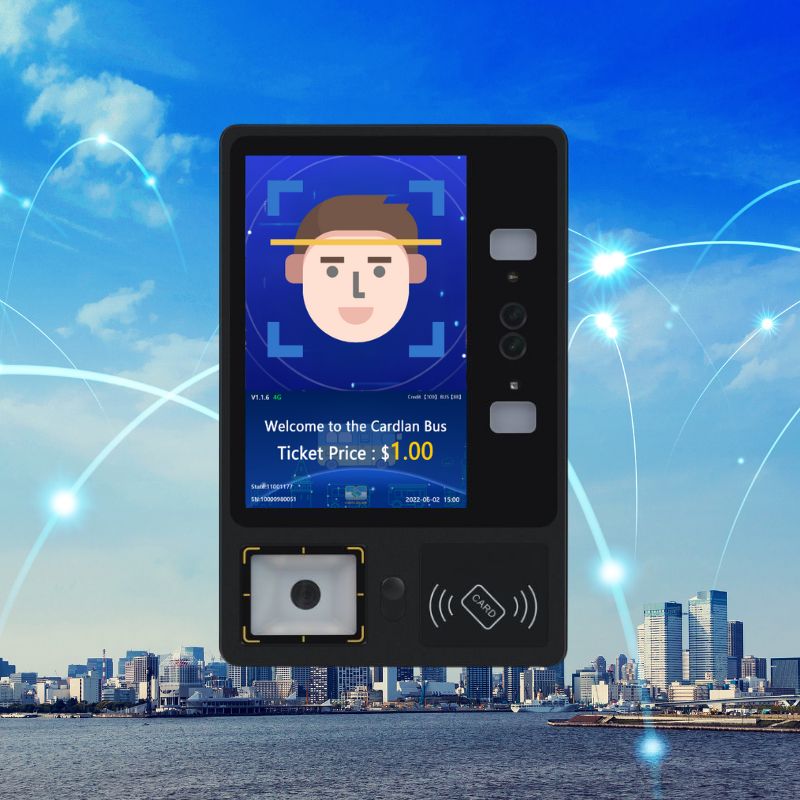 Cardlan bus card reader system
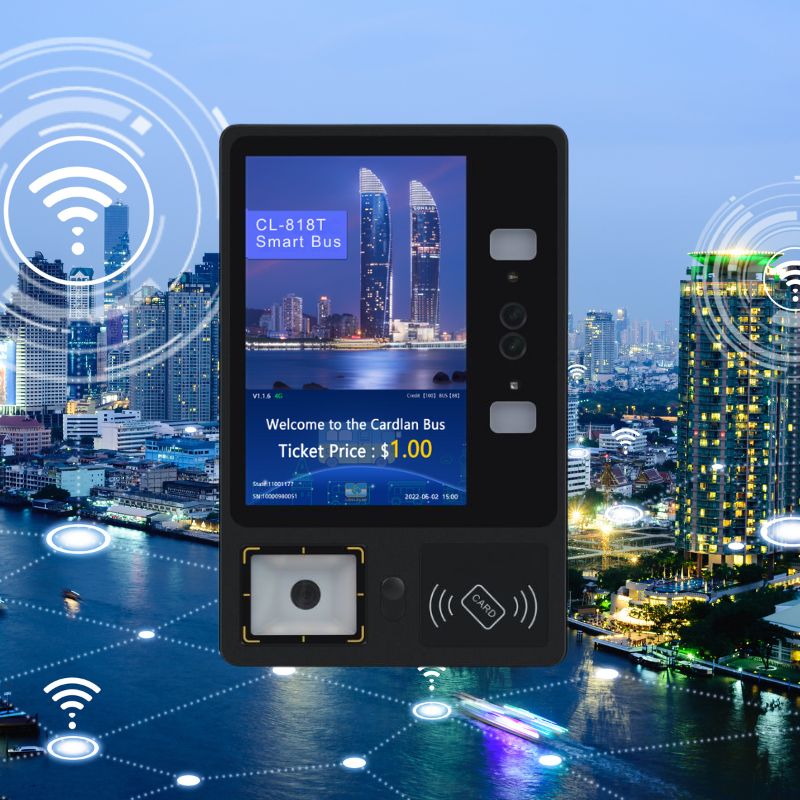 Cardlan Company: Strategic Deployment of Public Transportation Payment Products and Integrated Peripheral Devices (GPS Tracking, CCTV, Barriers)