
Bus facial recognition system belongs to “smart city mobility payment system”.With the bus validator front camera to take picture and upload to back end management platform, By compare the captured face features with database register users face information,Auto analyse,detection and verified to finish fare deduction from the corresponding cloud bus card account.

When Passengers hop on bus, only need to put their face direct to the bus face scanner terminal, after finished face recognition,passengers can take bus services.
With this functions realized, Passengers can not only take bus without take any cash, bus card, or mobiles. Makes the bus transport more smart, convenient and eco-friendly.
Face recognition bus payment system can make connection with public city security,By collecting the social dangerous person’s face and recognition, we can make some forewarning measures in the back end management system. Do a little help for public security protection and provide better security environment for citizens to go out.
"Face Recognition Ride" system will also integrate the vehicle networking system and link with the vehicle environment safety monitoring and forewarning system. Through intelligent analysis of the passengers language, action and other behavior on vehicle, it can timely protect from potential dangers (such as passenger conflicts, quarrels, injuries and other serious public safety incidents) and reduce the probability of major safety accidents.
Shenzhen Cardlan Technology Co., Ltd. is a domestic supplier and manufacturer of smart card and QR code payment application solutions. It is a national high-tech enterprise integrating smart card, 2D code payment application platform and terminal development, production, sales and service. Production line include: secondary development of bus payment terminals, Customization of bus card reader, open source of IC card reader, vehicle POS machine, bus code sweeping toll terminal, self-recharging machine, 2D code vehicle-mounted machine, etc. The company took the lead in introducing the city card cloud service platform and a number of fully paid vehicle terminal products, supporting the Ministry of Housing, Ministry of Communications, UnionPay and other national industry standards. Support for Tencent, Alipay and other three party sweep code payment business.
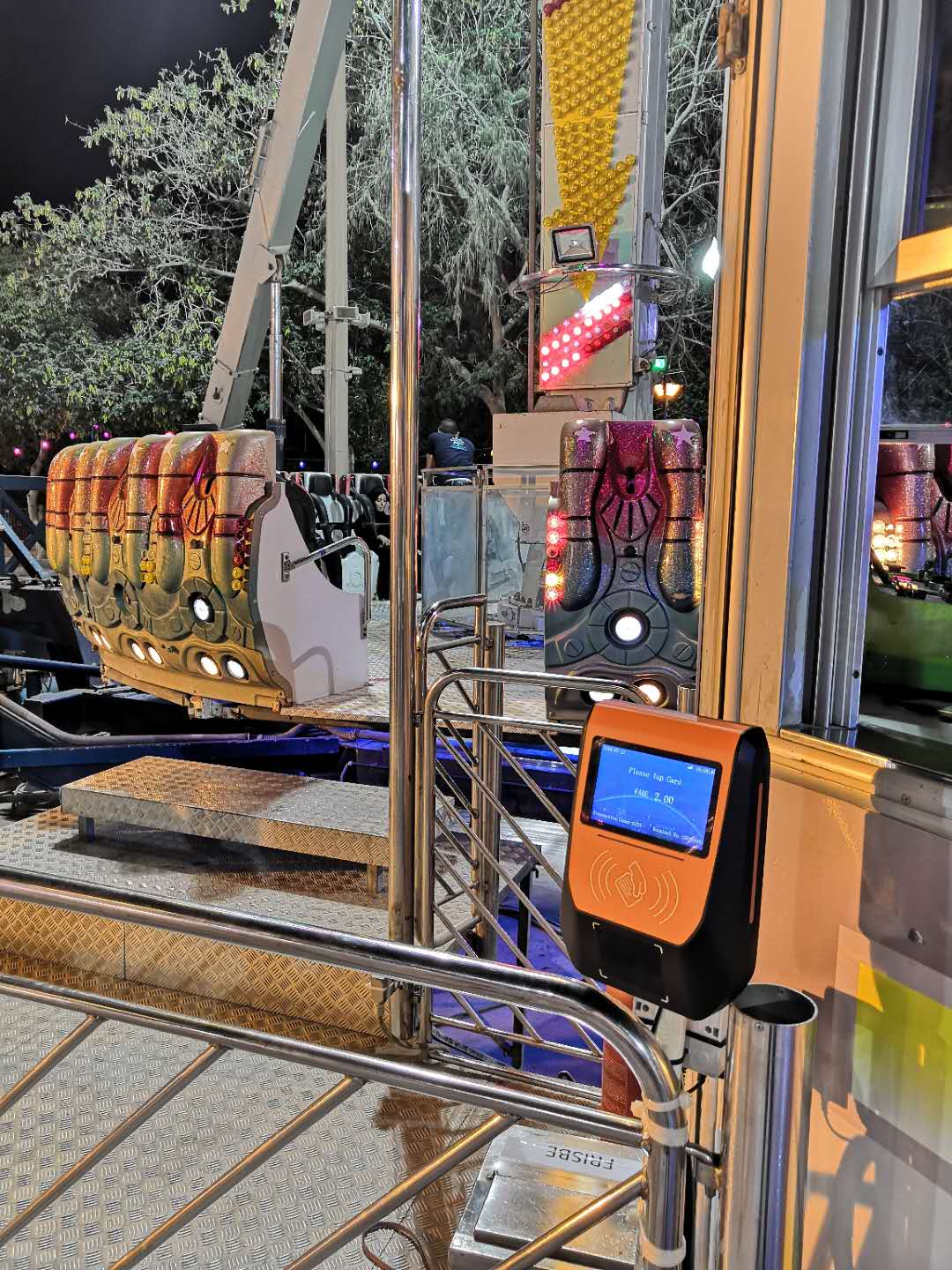 Amusement Park Card Payment System
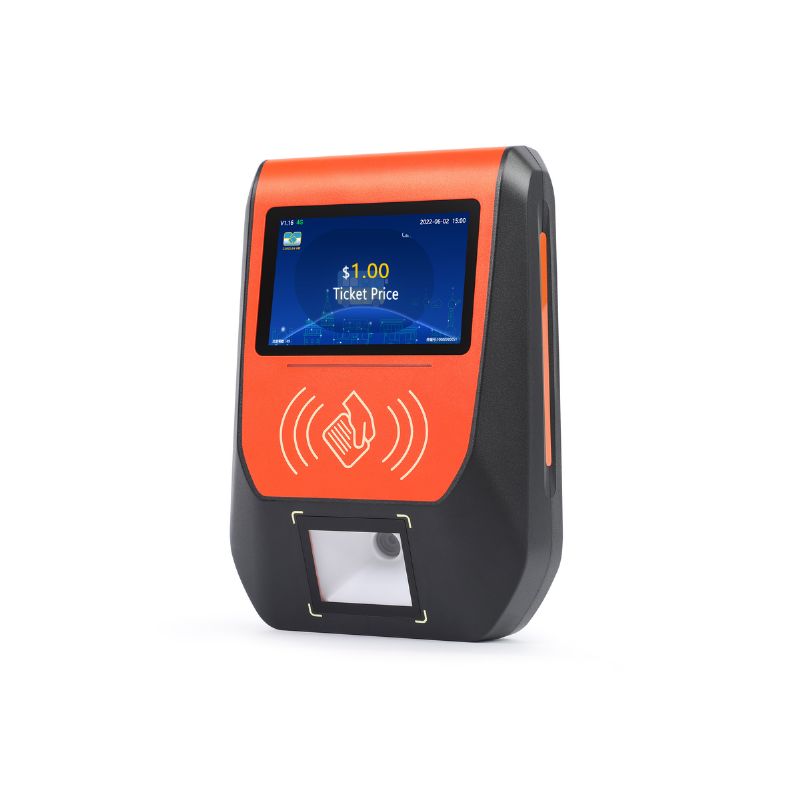 What is prepaid Card System?
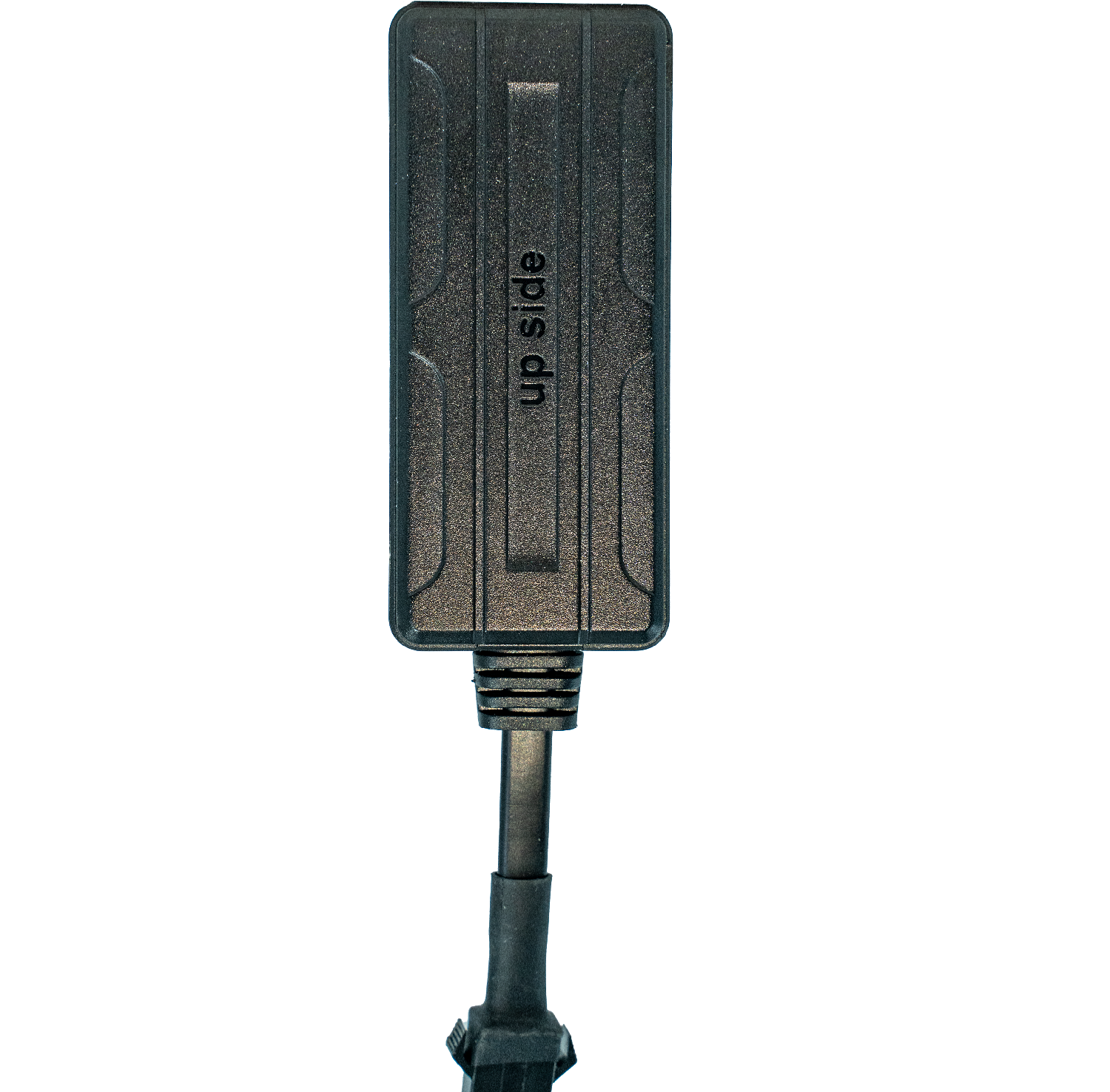 The Joint Use of Bus Card Readers and GPS Trackers
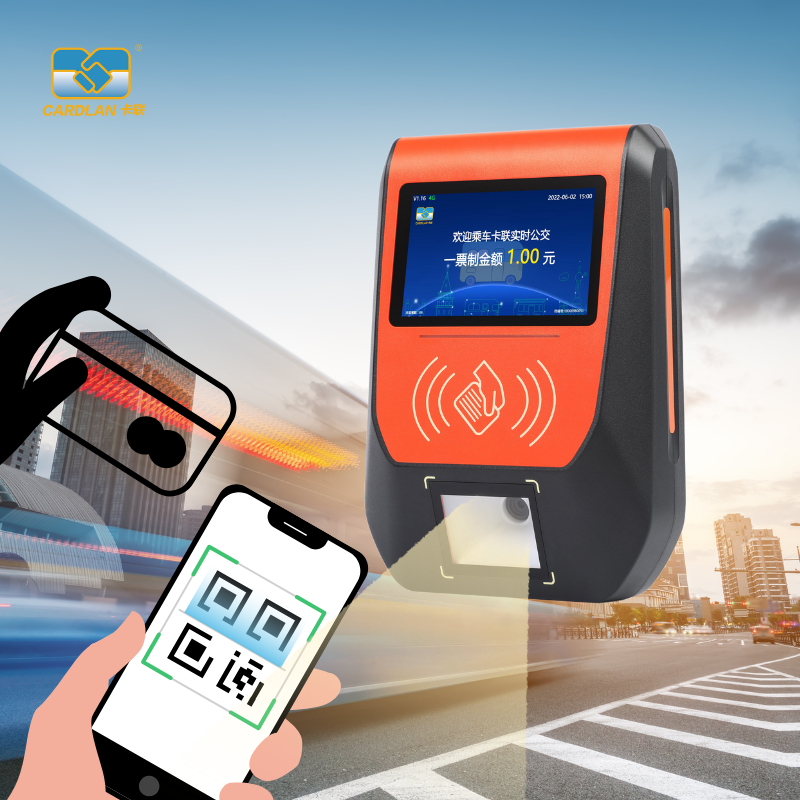 Compatibility Expansion and Multi-Scenario Reusability of In-Vehicle Terminal Devices