
How Shenzhen City bus station wise fare works
First, the front and back doors onand off rules
Second, Shenzhen pass card rules
1. first tap when get on the bus do not deduct fee, second tap when get off the bus deduct fee.
2. The balance in the card must be greater than the minimum fare of the bus. If the balance is not enough to pay the fare when getting off, the bus terminal will deduct the balance to 0 yuan, and the balance will be deducted for the next ride after the passenger recharge.
3. If the Shenzhen pass Card has the record of swipe card/scan code and balance deduction without getting off the bus in the previous ride, it will not affect the rail transit.
Third, QR code rules
2. When the onboard terminal does not synchronize the information in time, the Shenzhen Pass system background calculates the deduction.
3. The current scanning code record without getting off the bus for more than 48 hours, Shenzhen Pass system background directly make up the deduction.
4. The backend of the Shenzhen pass card system is deducted according to the fare plan sent on the enterprise platform, and the operating enterprise shall ensure that the fare plan of the bus line is updated and accurately and timely uploaded to the Shenzhen Tong company.
Fourth, the same repeated tap/scan rules
1. In the same vehicle, the same station is not allowed to continuously tap the card/scan the code (in order to avoid passengers' inadvertence of repeating the card/scan the code), need to change the station before the card/scan the code.
2. If passengers need to get off at the same station under special circumstances, the driver can deduct the basic fare through the "hello" function of the keypad before passengers can get off.
Fifth. Discount and transfer preferential rules
In addition to the supplementary transaction, other ride deduction fees are eligible for discounts and transfer concessions.
Sixth. Transfer decision rules
1. Shenzhen Pass Card and QR code adopt uniform rules to determine whether to transfer.
2. Transfer between buses: the departure time of the front bus and the boarding time of the rear bus are within 90 minutes, which is considered as transfer and enjoy the transfer discount.
3. Transfer of rail transit to segment fare bus: the departure time of rail transit and the boarding time of segment fare bus within 90 minutes (including 90 minutes) are recognized as transfer and enjoy transfer concessions.
Seventh. Rules for calculation of supplementary deduction amount
The supplementary deduction rule of Shenzhen Pass card or QR code is: the first three times (including three times) shall be deducted according to the lowest fare, and the additional three times shall be deducted according to the maximum fare between the boarding point and the starting and stopping stations.
Eighth, on and off the car driving direction is not consistent deduction rules
If the passenger gets on and gets off the driving direction is not consistent, when getting off the card, it is necessary to add the two sections of the journey to deduct the fee.
Ninth. Supplementary prompt rules
When the passenger swipes the card/scan the code, there is an obvious button prompt interface on the vehicle terminal to remind the passenger that there is a button transaction.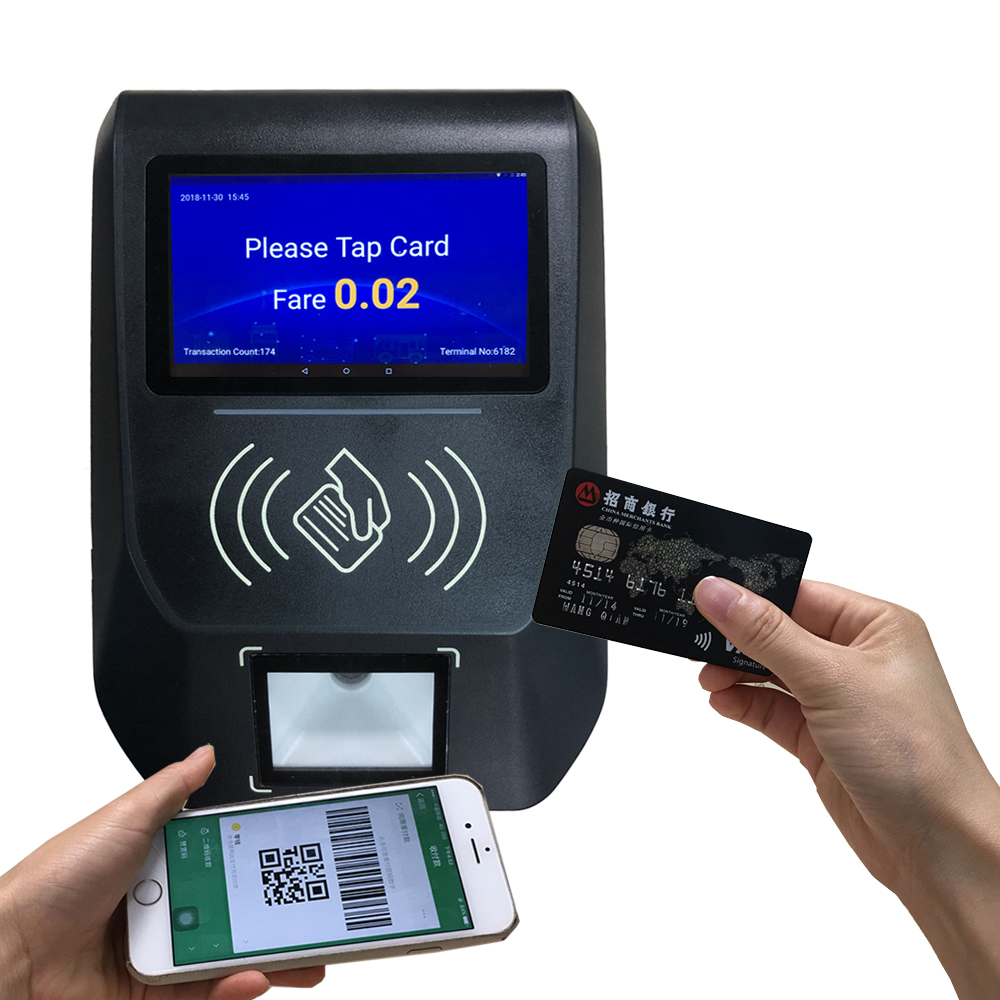
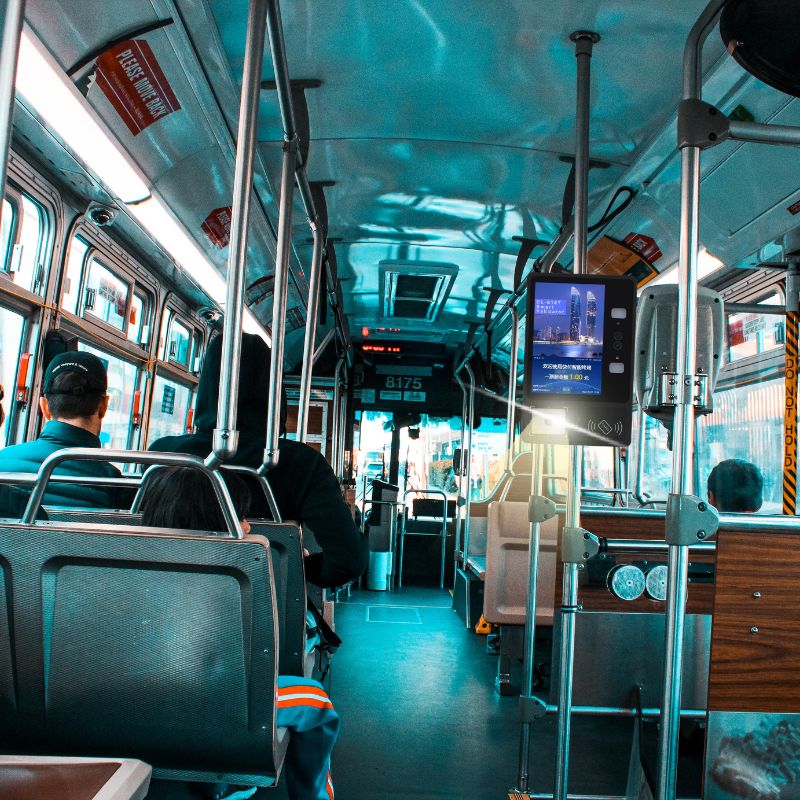 2026 New start of Cardlan bus validators!!!
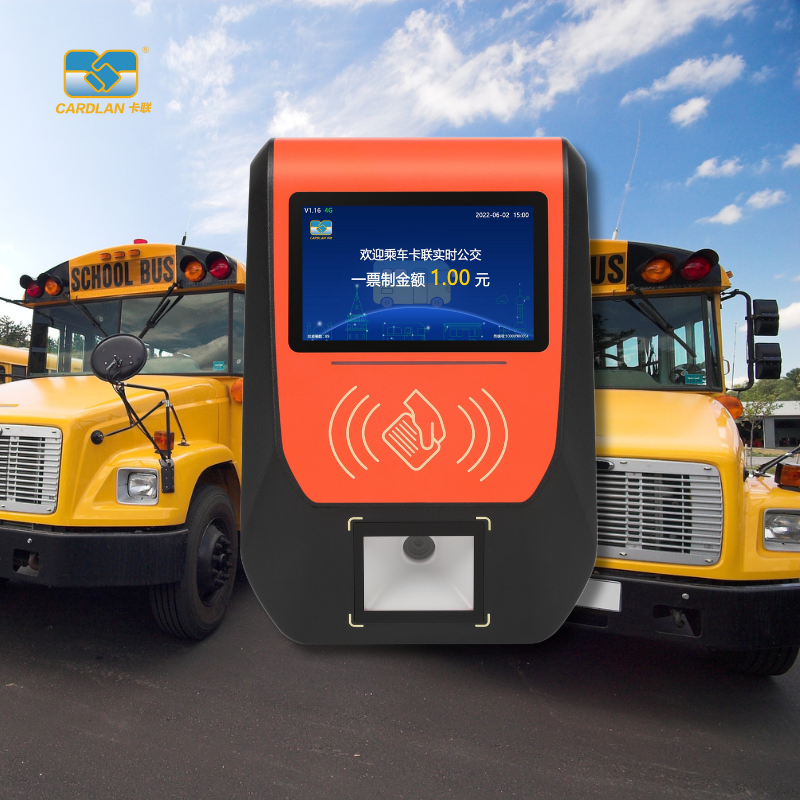 Cardlan Bus segment fare collection system
 Cardlan bus card reader system
 Cardlan Company: Strategic Deployment of Public Transportation Payment Products and Integrated Peripheral Devices (GPS Tracking, CCTV, Barriers)