
Face recognition access control and palmar vein access control which one is better
Face recognition access control and palmar vein access control which one is better? Face recognition access control and palmar vein access control have their own advantages, and the specific choice depends on the use scenario, security needs and convenience needs.
1, palmar vein access control: This access control technology through the analysis of the user's palm vein characteristics for identity verification, with a high degree of accuracy and anti-counterfeiting ability, effectively prevent identity fraud. Its advantages include no direct contact, fast authentication, and protection of user privacy. Palmar vein access control is suitable for places with high security requirements, such as research laboratories and financial institutions.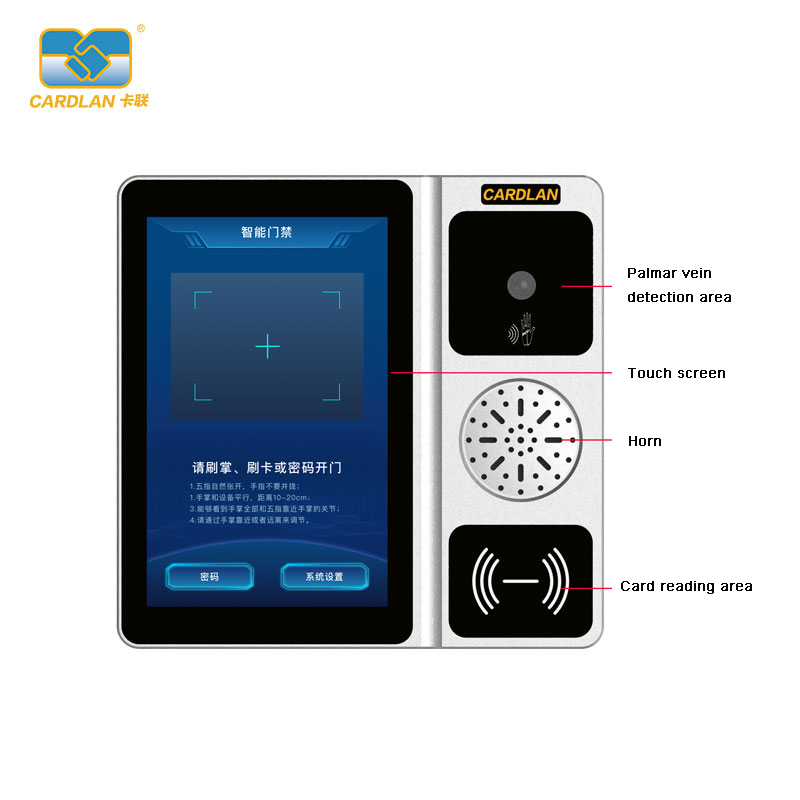
2, face recognition access control: This access control technology by capturing the user's facial features for identity verification. Its advantages include fast identification, no need to touch the device, and suitable for different scenarios. However, face recognition access control may have accuracy issues in some cases, as facial features are susceptible to lighting, Angle and occlusion.
In practical applications, the advantages of the two access control systems can be combined and selected according to different scenarios and needs. Face recognition access control and palmar vein access control which one is better? Cardlan suggest that in places with higher security requirements, palmar vein access control may be more suitable; In scenarios where convenience and user experience are more important, face recognition access control may be more appropriate.
 Amusement Park Card Payment System
 What is prepaid Card System?
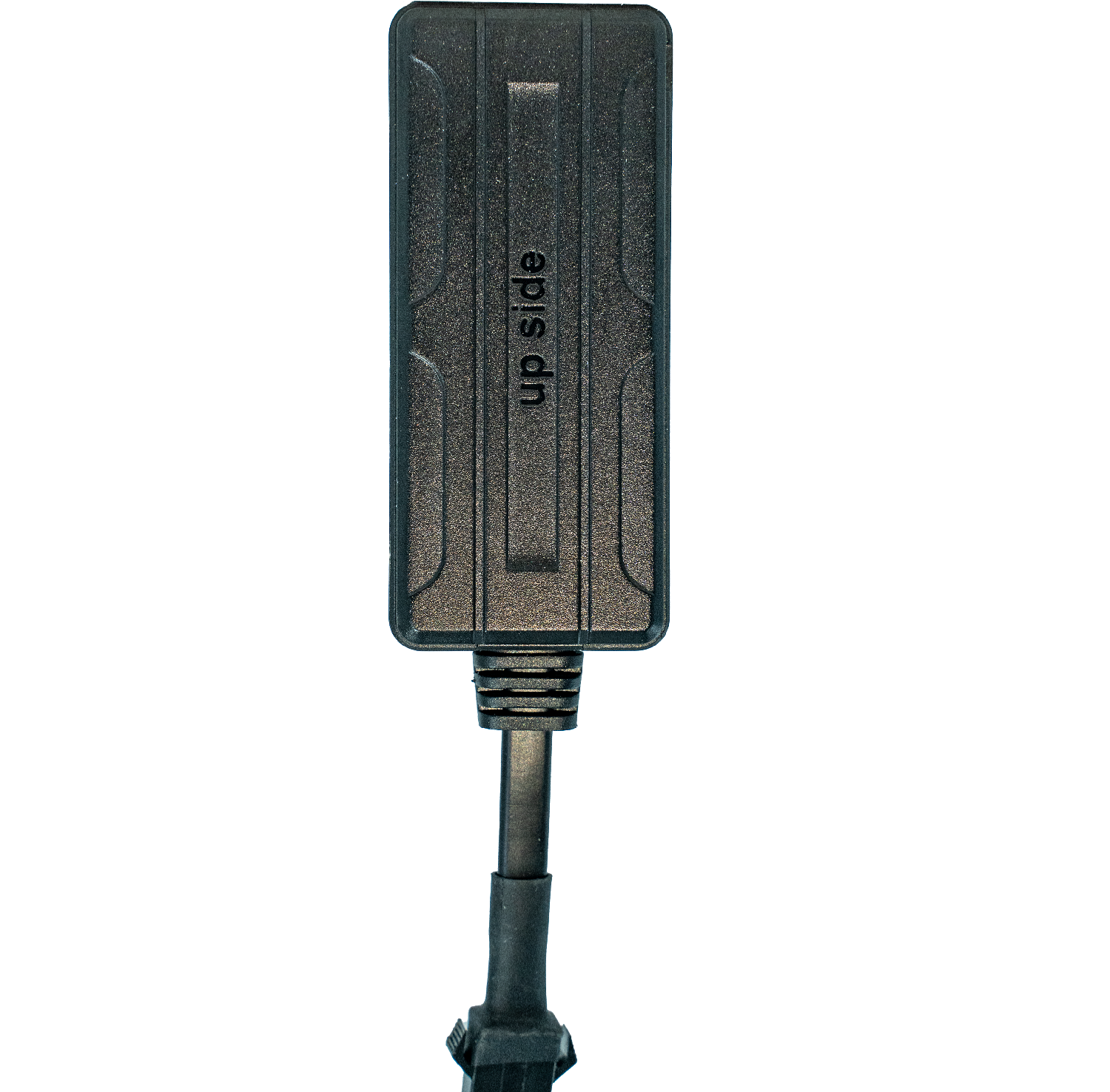 The Joint Use of Bus Card Readers and GPS Trackers
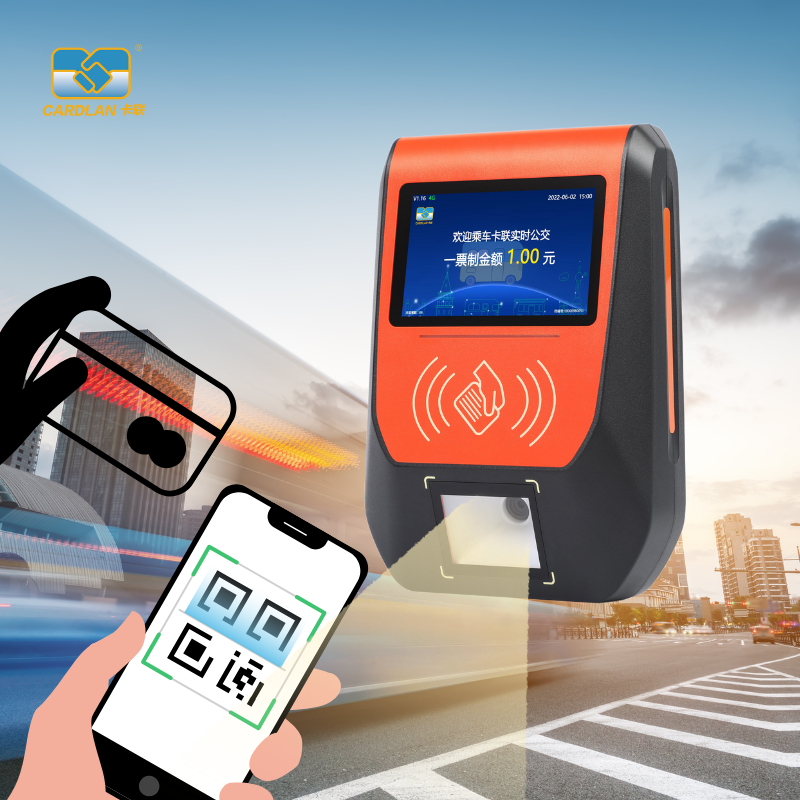 Compatibility Expansion and Multi-Scenario Reusability of In-Vehicle Terminal Devices