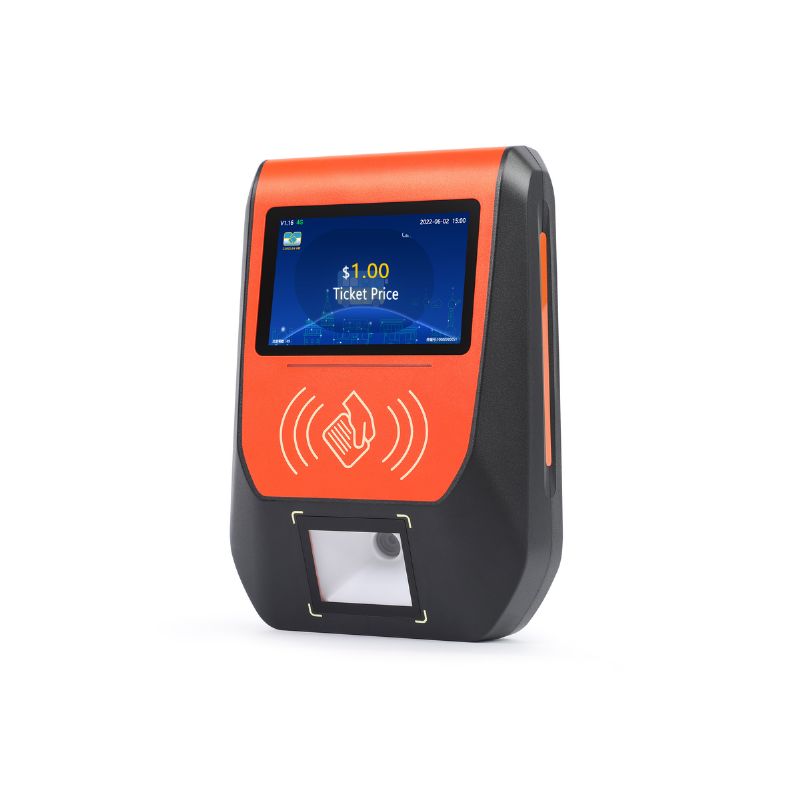
Analysis of Core Architecture and Application Scenarios of School Bus System

Views : 6791
Author : Kathy
Update time : 2025-05-27 10:25:14

I. Identity Verification and Dynamic Monitoring

  1. Multi-modal Identity Verification

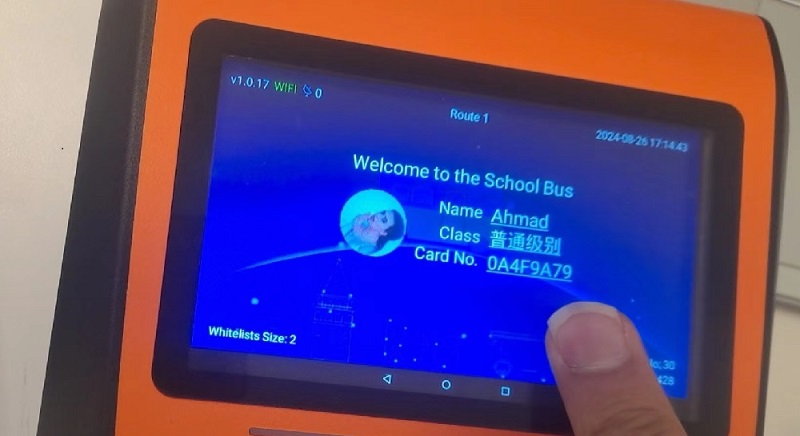
    • Students authenticate boarding/alighting via ‌smart IC cards‌ or ‌facial recognition‌, with dual-mode flexibility for scenarios like peak-hour contactless passage 2][4][7.
    • Verification speed: ‌0.3 seconds per person‌, with real-time photo capture and push notifications to parents (some systems include temperature screening) 4][7.
  2. GPS Real-time Tracking and Route Management
    • Buses equipped with ‌BeiDou + GPS dual-mode positioning‌ modules. Parents and administrators can monitor live vehicle locations, estimated arrival times, and historical routes via WeChat or apps 2][5][8.
    • Geo-fencing‌ triggers alerts for route deviations or speeding, with voice prompts to drivers 4][7.
    •  

II. Parent and Management Features

  1. Parental Monitoring and Alerts

    • Parents receive ‌arrival reminders‌, boarding/alighting photos, and temperature data. Custom geo-fencing notifies them when students enter/exit designated zones 2][
      .
    • Stranded student alerts‌ are sent to parents and drivers if students miss boarding or remain onboard post-trip 5][8.
  2. Data Analytics and Operational Optimization

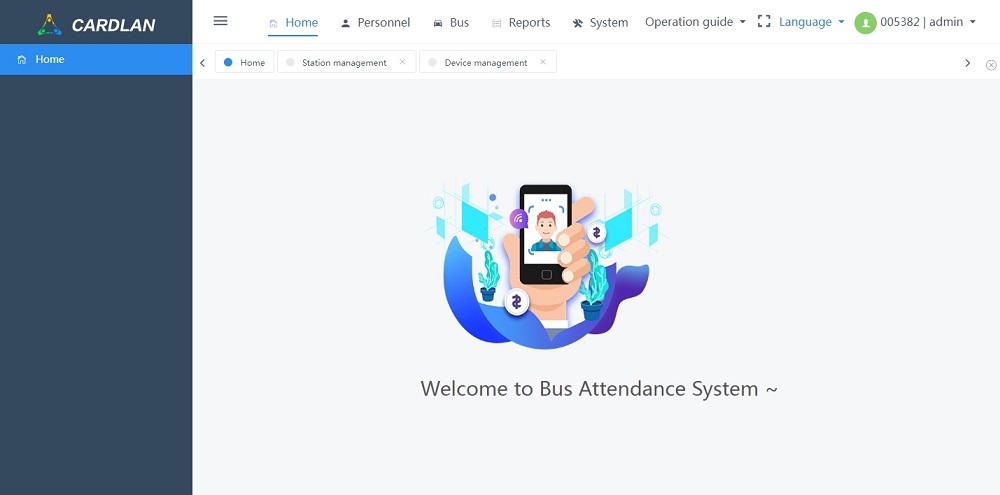
    • Admin dashboards auto-generate ‌attendance reports‌ (daily ridership, absentees) and operational metrics (punctuality, trip duration) with visualizations 2][6][8.
    • Historical data optimizes routes, adjusts stops, and reduces idle driving via dynamic scheduling .

III. Example System Configuration

python
# School Bus Terminal Integration (Reference: Honghua, Wanshicheng solutions) class SchoolBusSystem: def __init__(self): self.auth_mode = ["IC Card", "Facial Recognition"] # Dual verification $3][4$ self.gps_module = "BeiDou + GPS Dual-mode" # <5m accuracy $6][7$ self.communication = "4G/5G Wireless" # Real-time cloud sync $7$ def parent_notification(self): # Push content: location, photo, temperature, ETA return {"type": "WeChat/APP Push", "content": "encrypted_data"} # AES-256 encryption $4][8$
IV. Performance Outcomes

  • University Case Study‌: "Card + Facial Recognition" reduced peak-hour boarding time by ‌60%‌ and parent wait times by ‌40%‌ 2][6.
  • Safety Improvement‌: Geo-fencing and (stranded alerts) cut regional school bus incidents by ‌92%‌ 4][5.

(Note: Code examples illustrate logic; actual implementation requires hardware and protocol adjustments.)
Related News
Read More >>
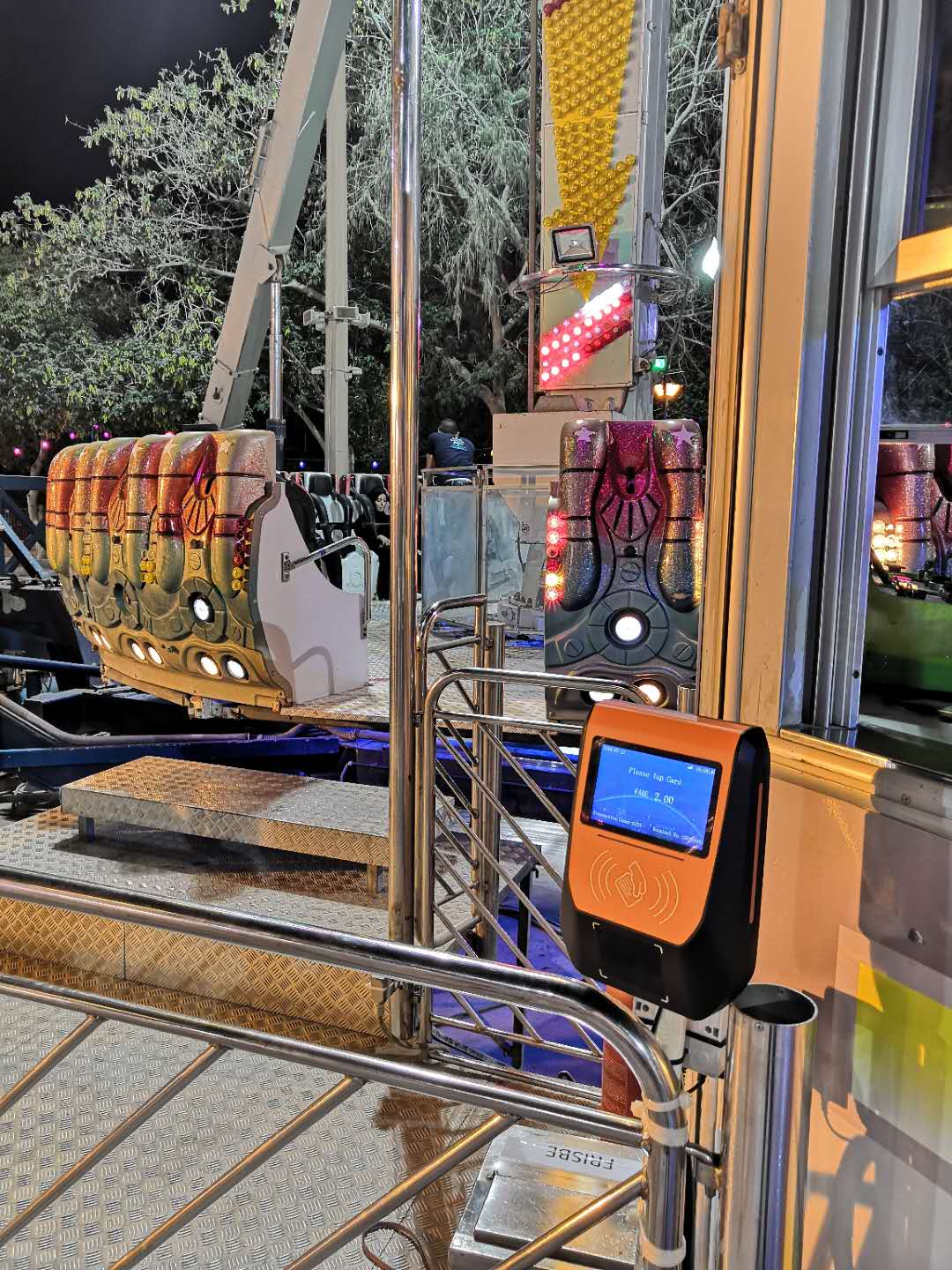
Amusement Park Card Payment System‌ Amusement Park Card Payment System‌
Mar .25.2026
Amusement Park Card Payment System‌ is an electronic payment and management platform that uses smart IC cards, wristbands, or QR codes as carriers. It enables contactless identification for quick deduction and access across rides, food outlets, and retail within amusement parks, widely adopted in modern theme parks, children’s play zones, scenic areas, and entertainment complexes.
What is prepaid Card System? What is prepaid Card System?
Mar .16.2026
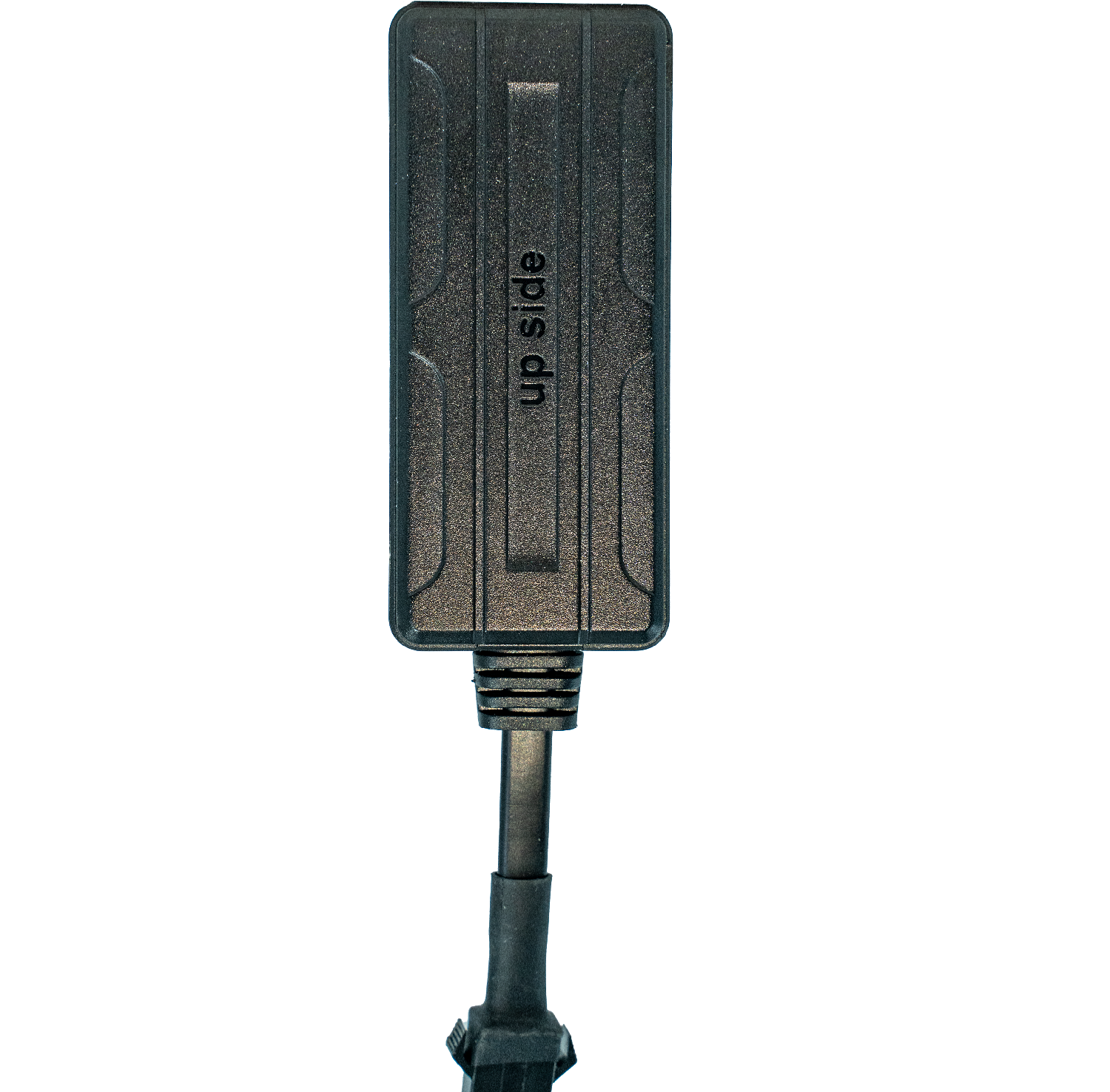
A prepaid card system is primarily composed of ‌six core modules‌: card issuance management, account management, payment transaction processing, merchant acquiring, clearing & settlement, and operations monitoring.
The Joint Use of Bus Card Readers and GPS Trackers The Joint Use of Bus Card Readers and GPS Trackers
Mar .13.2026
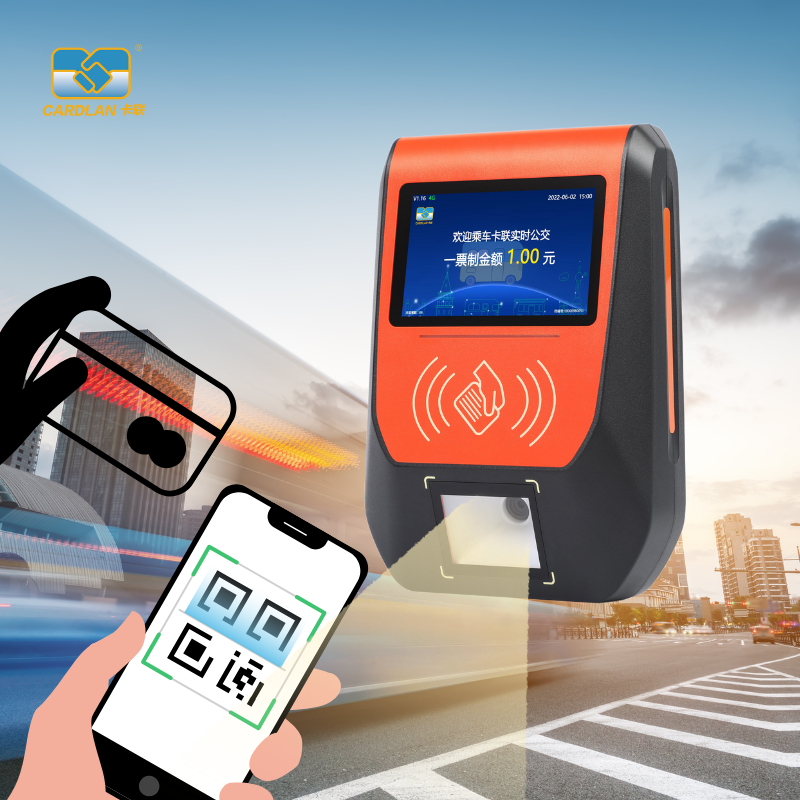
The integrated use of bus card readers and GPS trackers represents a ‌standard configuration‌ in modern intelligent public transport systems. By fusing transaction data from card readers with real-time location data from GPS units at the millisecond level, this combination allows operators to reconstruct the complete travel chain (origin and destination) for every passenger.
Compatibility Expansion and Multi-Scenario Reusability of In-Vehicle Terminal Devices Compatibility Expansion and Multi-Scenario Reusability of In-Vehicle Terminal Devices
Mar .10.2026
Compatibility expansion and multi-scenario reuse of in-vehicle terminal devices is a key approach to achieving efficient integration of intelligent transportation systems and cost-effective operations. Through coordinated hardware and software design, a unified platform can be adapted to different vehicle types, connected to various business systems, and reused across diverse scenarios such as public transit, scenic areas, and logistics, forming a replicable, standardized solution.